


The first trading day of June began with a continuation of the themes that dominated the final days of May: easing geopolitical tensions, softer oil prices, and a gradual reduction in defensive dollar positioning.
Markets entered the new month increasingly optimistic that the ceasefire framework between the United States and Iran could hold, reducing fears of a prolonged disruption to global energy markets. That optimism helped extend the decline in oil prices that began during the final week of May and reduced one of the major inflation risks that had supported Treasury yields throughout the month.
As a result, Treasury yields moved modestly lower during Monday’s session as investors scaled back some of the aggressive inflation expectations that had emerged during the Iran conflict. Lower yields immediately reduced support for the dollar, which had benefited heavily from higher-for-longer Federal Reserve expectations during May.
Global equities also maintained a constructive tone. European and Asian markets traded firmer, while investors increasingly shifted their focus away from geopolitical risks and back toward economic growth prospects, central-bank policy, and upcoming inflation data.
The result was broad-based dollar weakness across major currency pairs.
EUR/USD
Technical Analysis
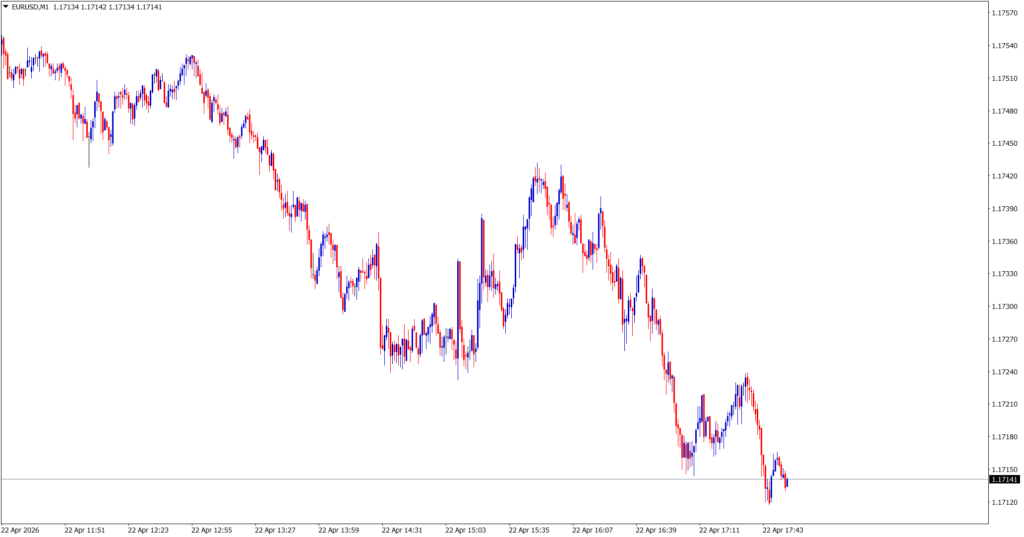
EUR/USD posted one of its strongest sessions in over a week, breaking higher from the consolidation range that had contained price action through the final days of May.
The pair spent most of the session trading near its highs, suggesting that buyers regained control after several weeks of largely sideways movement. Recent resistance levels gave way relatively easily, and momentum indicators turned more constructive.
From a technical perspective, Monday’s move significantly improved the euro’s short-term outlook and reduced the risk of a deeper correction.
Fundamental Analysis
The euro benefited from several simultaneous developments.
First, falling oil prices are generally positive for the eurozone economy because Europe remains a major energy importer. Lower energy costs help ease inflation pressures while improving growth prospects for manufacturers and consumers alike.
Second, softer Treasury yields reduced the interest-rate advantage that had supported the dollar throughout much of May.
Third, recent eurozone economic indicators have shown signs of stabilization after months of sluggish activity. Manufacturing weakness remains a concern, particularly in Germany, but investors increasingly believe the worst of the slowdown may be behind the region.
Meanwhile, the ECB appears increasingly comfortable with a gradual policy path rather than aggressive easing, helping support the euro against a dollar that is losing some of its yield-driven momentum.
USD/JPY
Technical Analysis
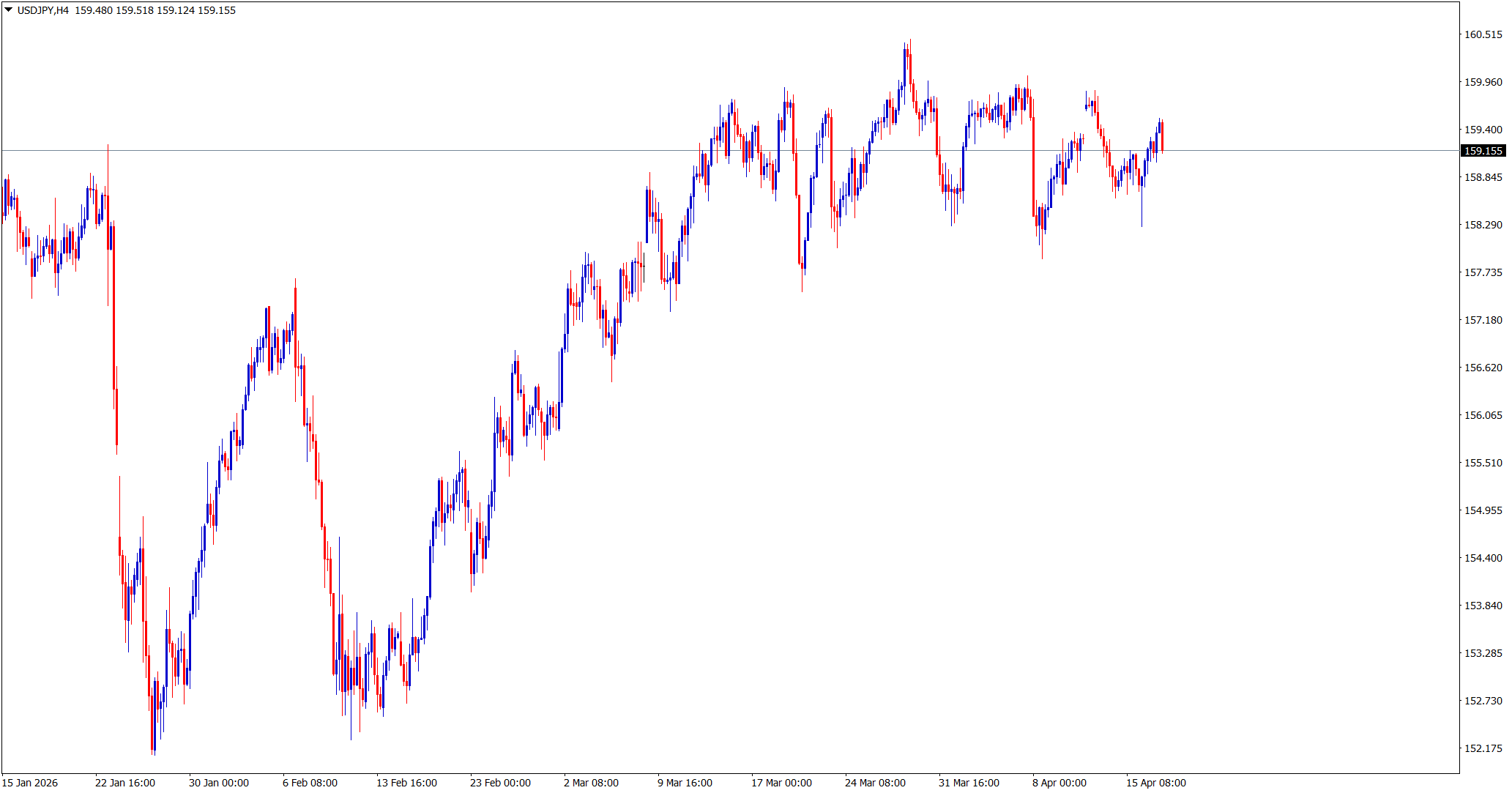
USD/JPY moved lower throughout the session, extending the pullback that began after the pair failed to sustain gains near the psychologically important 160 level.
The pair broke below several short-term support areas and traded with a consistently weaker tone. While the broader trend remains elevated, recent price action suggests that momentum has shifted away from buyers.
The inability to reclaim previous highs continues to reinforce the view that a corrective phase remains underway.
Fundamental Analysis
The primary driver behind Monday’s decline was the drop in Treasury yields.
USD/JPY remains one of the most yield-sensitive instruments in the FX market. Whenever U.S. yields decline, the dollar loses part of its carry advantage over the yen.
At the same time, easing geopolitical tensions reduced the inflation concerns that had previously supported higher yields and a stronger dollar.
The Bank of Japan remains cautious about policy normalization, but markets continue to believe that Japanese rates will gradually move higher over time. While that process remains slow, it provides some underlying support for the yen whenever U.S. yields move lower.
The combination of softer yields and reduced dollar demand made USD/JPY one of the weaker major pairs during Monday’s session.
GBP/USD
Technical Analysis
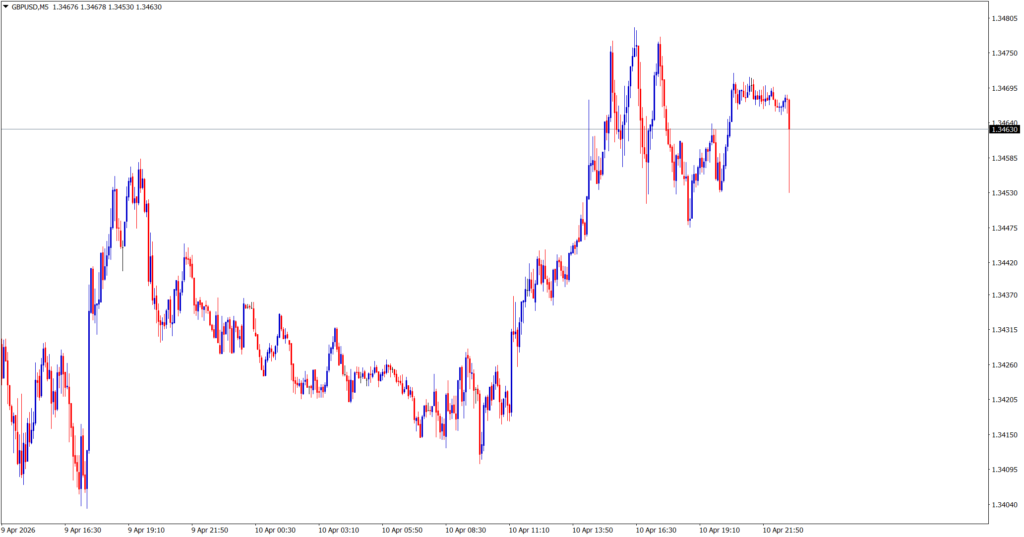
GBP/USD advanced steadily throughout the session and outperformed many major currencies against the dollar.
The pair successfully broke above recent resistance levels and maintained gains into the close, suggesting that bullish momentum remains intact.
Technically, sterling continues to display a constructive recovery pattern characterized by higher lows and increasingly confident buying activity.
Fundamental Analysis
The pound benefited from the same broad themes supporting the euro:
- weaker dollar demand
- lower Treasury yields
- improving global risk sentiment
Additionally, concerns surrounding UK political uncertainty that weighed on sterling late in May appeared to stabilize, allowing traders to refocus on broader macro themes.
The UK economy remains far from robust, but recent inflation trends and labor-market resilience have reduced expectations for aggressive Bank of England easing.
As long as global sentiment remains constructive and the dollar remains under pressure, sterling appears positioned to continue outperforming.
Market Outlook
Monday’s session reinforced the idea that May’s dollar rally was heavily dependent on:
- elevated oil prices
- inflation fears
- rising Treasury yields
With those drivers fading, the dollar has entered June on weaker footing.
Markets will now focus on:
- upcoming U.S. inflation data
- Treasury yield movements
- developments surrounding the Iran ceasefire
- ECB and BoE policy expectations
For now:
- EUR/USD has regained bullish momentum.
- USD/JPY remains under pressure from softer yields.
- GBP/USD continues strengthening alongside improving risk sentiment.
- The dollar has lost some of the defensive support that dominated May.