


Tuesday was the week’s clearest dollar-strength session. The greenback surged to a 13-month high as markets sharply increased expectations that the Federal Reserve could hike rates again in 2026. Reuters reported that the dollar index rose to 101.39 after touching 101.42, its highest level since May 2025. The euro fell to $1.138 after hitting $1.1374, its weakest level since June 2025.
The dollar rally was not driven by rates alone. Equity markets also turned defensive, with the S&P 500 and Nasdaq falling sharply as megacap technology stocks came under pressure. That tech-led selloff added a safe-haven layer to the dollar’s yield advantage.
Fed repricing was central. Reuters reported that the probability of a July rate hike jumped to 36.3% from 8.5% the prior week, while September hike odds rose to 69.1%. This was a major shift in market psychology. Only weeks earlier, traders had debated whether lower oil and a possible Iran deal might allow easier policy. By Tuesday, the market was increasingly pricing a Fed that could tighten further.
EUR/USD
Technical Analysis
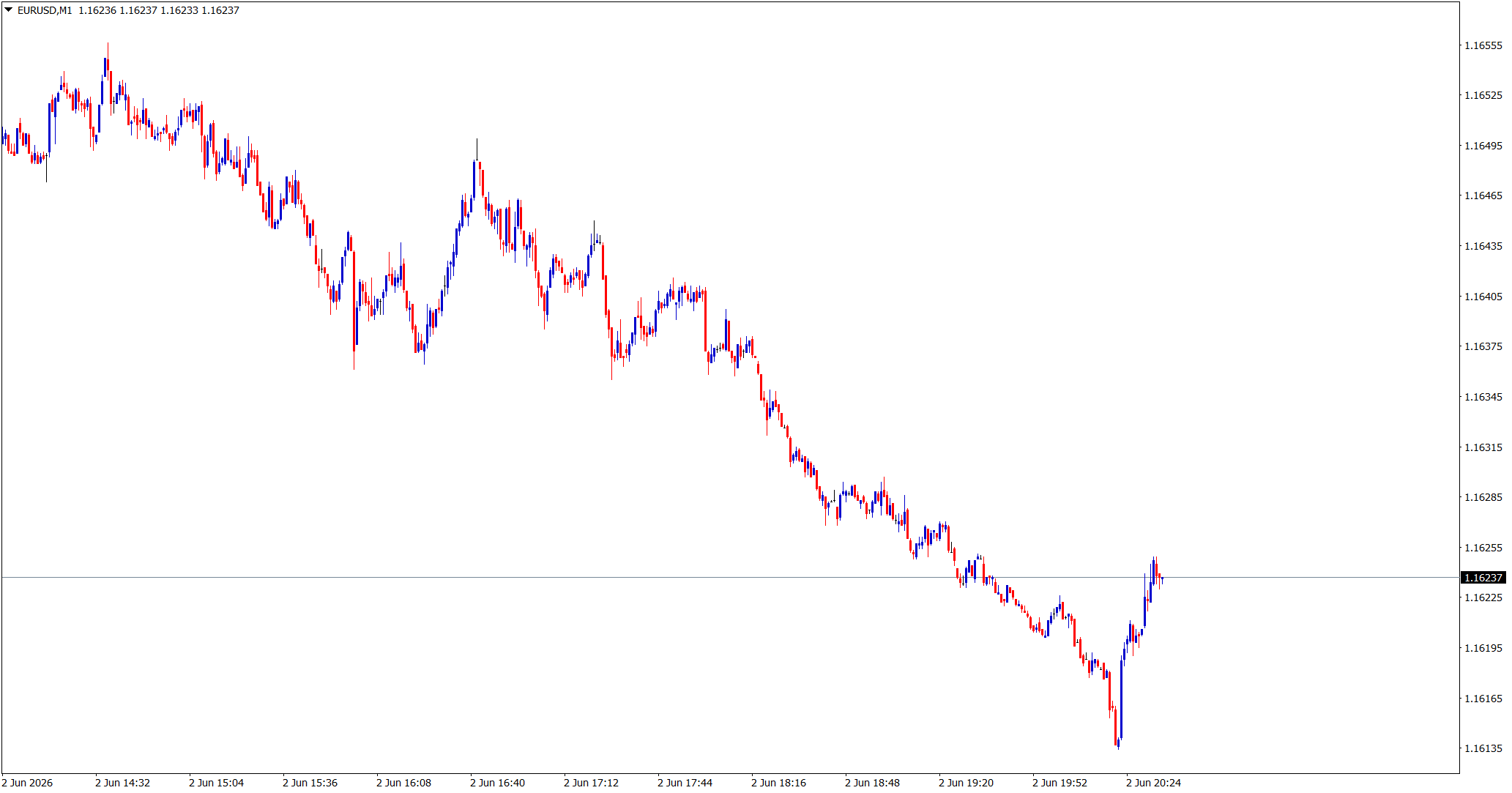
EUR/USD broke lower decisively and reached its weakest level in roughly a year. This was a damaging technical session because the pair did not simply drift lower; it broke through support as dollar buying accelerated. The euro’s inability to defend prior lows confirmed that the market had shifted from consolidation into renewed bearish continuation.
Momentum indicators turned more negative, and the pair’s lower-high structure became more visible. Once $1.14 gave way, traders had little technical reason to rebuild euro longs immediately. The next phase depended on whether the dollar index could extend beyond its 13-month high.
Fundamental Analysis
The euro was pressured by a powerful combination of U.S. rate expectations and Europe’s weaker relative growth outlook. Rising Fed hike odds widened the policy divergence narrative, while Europe still lacked the same growth resilience visible in the U.S.
The tech-led equity selloff also hurt the euro indirectly. When global risk sentiment weakens, the dollar tends to outperform as the world’s primary reserve and funding currency. Reuters specifically linked the dollar’s rise to both Fed hike bets and an equity selloff that boosted safe-haven demand.
The euro also remained vulnerable to energy and geopolitical uncertainty. Even though oil had moved lower from crisis highs, Europe’s import exposure meant any renewed Middle East flare-up could damage the region more than the U.S. That kept EUR/USD on the defensive.
USD/JPY
Technical Analysis
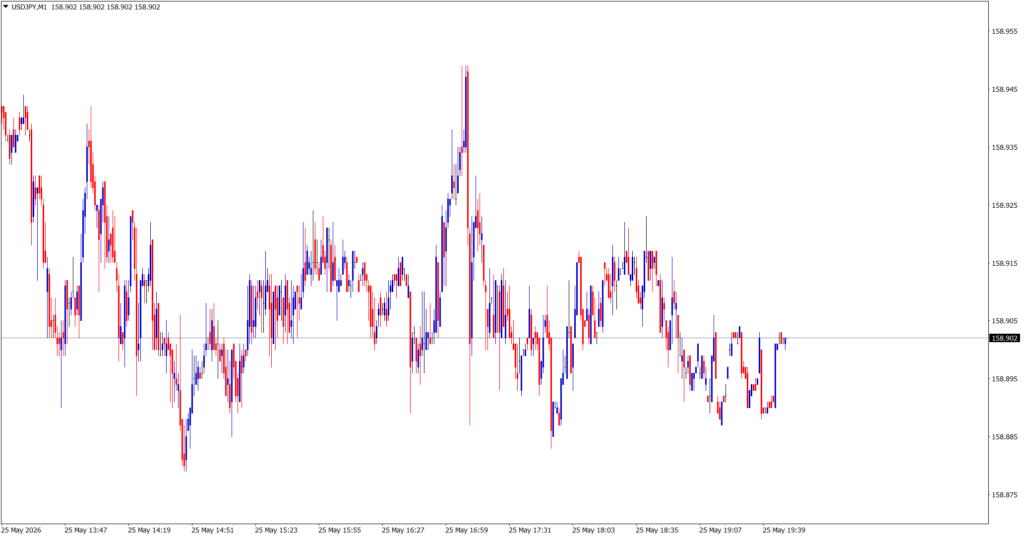
USD/JPY remained near intervention-sensitive levels as dollar strength overwhelmed yen support. The pair stayed close to multi-decade extremes, with momentum still favoring the upside. Technically, the trend remained strong, but it was also increasingly stretched.
The market was clearly aware of the risk. Reuters noted that the yen approached a 40-year low and that there had been discussion between U.S. and Japanese financial leaders regarding yen stability. This meant USD/JPY was no longer just a chart trade. Every move higher had to be assessed through the lens of possible policy response.
Fundamental Analysis
The core driver remained the U.S.-Japan rate gap. Fed hike expectations rose sharply, while the Bank of Japan remained unable to match the scale of U.S. tightening. Even after Japan’s earlier rate hike, the absolute yield differential still favored the dollar.
Reuters separately reported that former BOJ policymaker Sayuri Shirai warned the yen could weaken to 165 per dollar if the Fed hikes again, emphasizing that intervention may have limited effect if the underlying rate differential remains wide.
That warning captured the market’s dilemma. Traders know intervention risk is real, but they also know the macro fundamentals continue to favor USD/JPY upside unless U.S. yields reverse lower.
GBP/USD
Technical Analysis
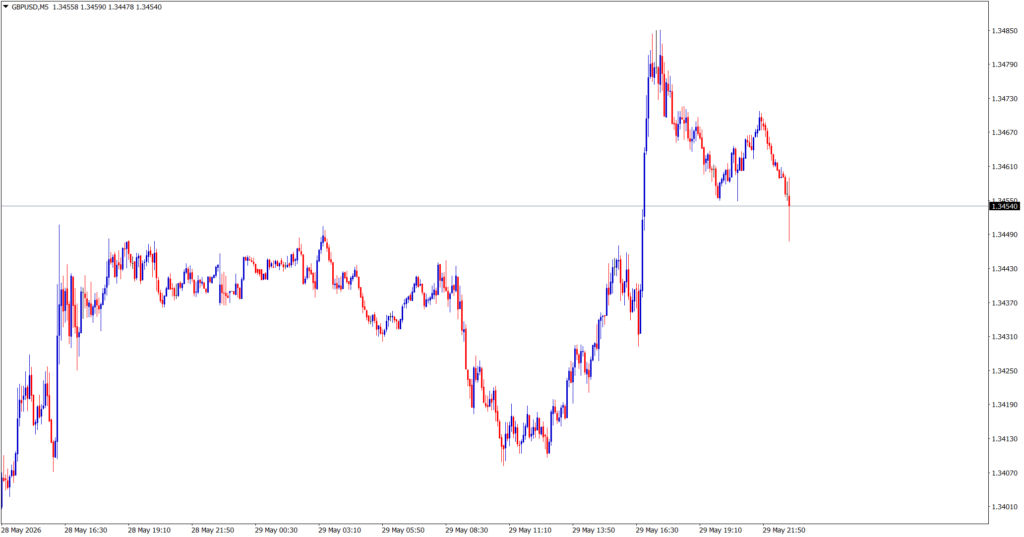
GBP/USD weakened alongside the euro and struggled to defend recent support. Sterling’s decline was less dramatic than the euro’s in some moments, but the broader technical picture remained negative. The pair’s failure to stabilize after the prior week’s Fed-driven decline suggested that bullish attempts had lost conviction.
Technically, GBP/USD remained trapped in a downward correction. The pair needed either softer U.S. data or a stronger UK catalyst to reverse the momentum, and Tuesday delivered neither.
Fundamental Analysis
Sterling faced both external and domestic pressure. Externally, rising Fed hike expectations strengthened the dollar broadly. Domestically, UK political uncertainty continued to weigh on the pound, with investors concerned about fiscal credibility and leadership tensions.
The Bank of England was also in a less favorable position than the Fed. While UK inflation concerns remain, growth is weaker and household sensitivity to higher rates is greater. That makes aggressive BoE tightening less supportive for sterling than Fed hawkishness is for the dollar.
As a result, GBP/USD remained vulnerable during a session where the dollar had both yield support and safe-haven support.
Market Outlook
Tuesday confirmed that the dollar was back in command. The move was not just about one data point; it reflected a broad repricing of the Fed outlook, technology-led equity weakness, and renewed demand for safety.
For now:
- EUR/USD faces downside risk after breaking to a one-year low.
- USD/JPY remains bullish but increasingly intervention-sensitive.
- GBP/USD is pressured by both Fed divergence and UK political uncertainty.
- The dollar’s rally remains intact as long as Fed hike expectations continue rising.