


Wednesday initially extended Tuesday’s dollar dominance. Reuters reported that the U.S. dollar advanced for a third straight day and hit a 13-month high as markets braced for anticipated Fed rate hikes, while a recent technology-stock selloff continued supporting the greenback.
But the session was more nuanced than Tuesday. The dollar still had strong support, but the inflation story began to soften as oil prices slid to a four-month low. Reuters noted that U.S. bond yields tumbled on Wednesday as the oil slide eased inflation fears, even though equity markets did not fully enjoy the relief because concerns over tech valuations continued weighing on the S&P 500 and Nasdaq.
This created a split market. FX traders still respected the dollar’s rate advantage, but falling oil started to challenge the idea that inflation pressure would keep building. At the same time, tech-sector weakness kept safe-haven demand alive, preventing a full dollar reversal.
EUR/USD
Technical Analysis
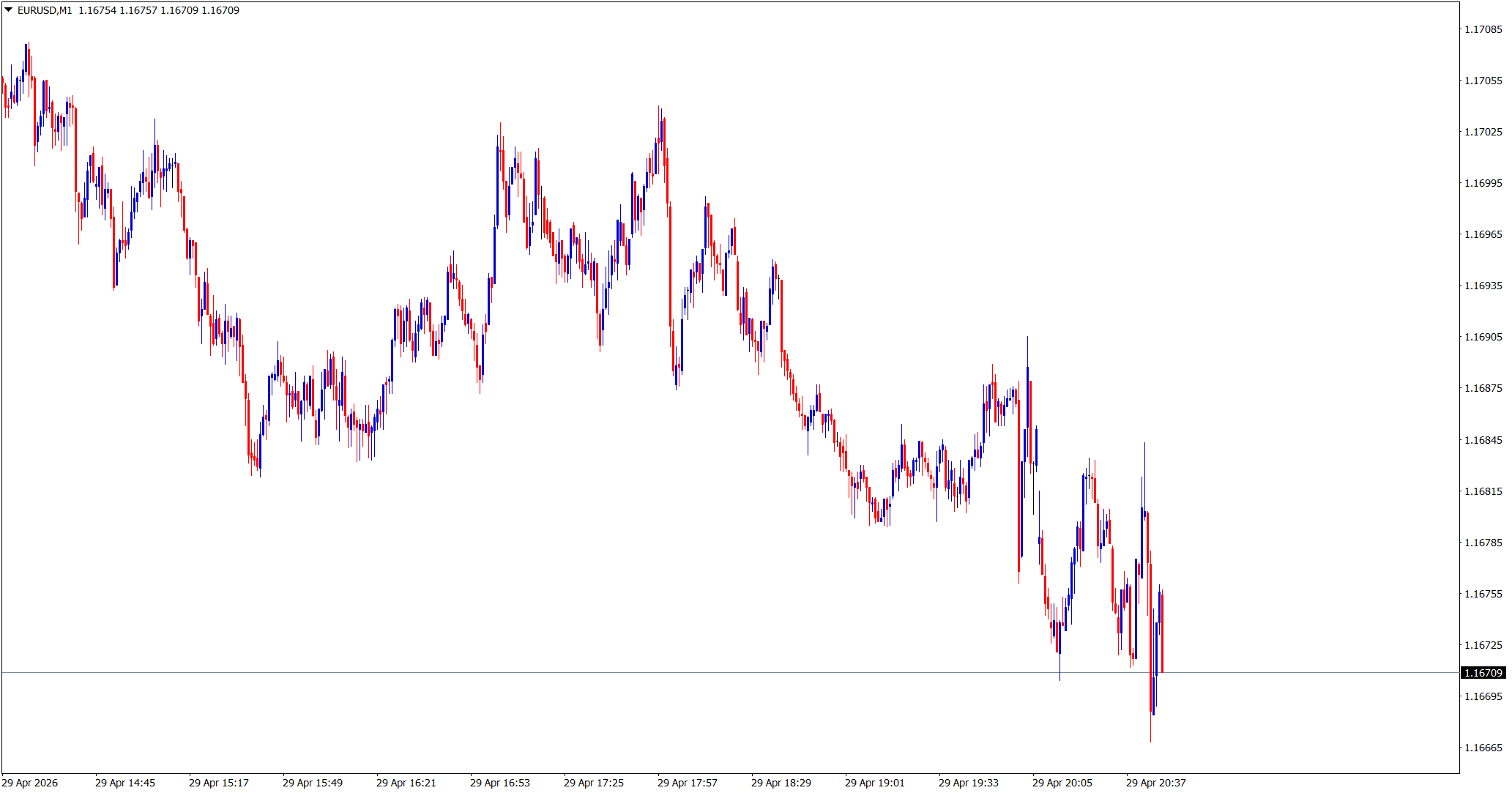
EUR/USD remained under pressure after Tuesday’s breakdown. The pair attempted to stabilize, but rebounds were shallow and failed to reclaim broken support. This confirmed that sellers still controlled the short-term structure.
Technically, EUR/USD was now trading below important prior support, meaning that former support areas could act as resistance. Momentum remained negative, though the pace of selling was less aggressive than the previous session.
The pair’s next direction depended heavily on whether falling oil would reduce Fed hike expectations enough to weaken the dollar.
Fundamental Analysis
The euro remained pressured by the broader dollar rally and the Fed repricing theme. However, falling oil prices created a partial offset. Lower crude prices are positive for Europe because they reduce inflation pressure and support household real income. In theory, this should help the euro.
But the benefit was limited because equity market stress and Fed expectations continued supporting the dollar. Reuters emphasized that the dollar was still being supported by anticipated Fed hikes and tech-driven safe-haven demand, even as oil’s drop eased inflation fears.
So EUR/USD stabilized somewhat but did not meaningfully recover. The euro needed more than lower oil; it needed a clear reversal in U.S. yields or Fed pricing.
USD/JPY
Technical Analysis
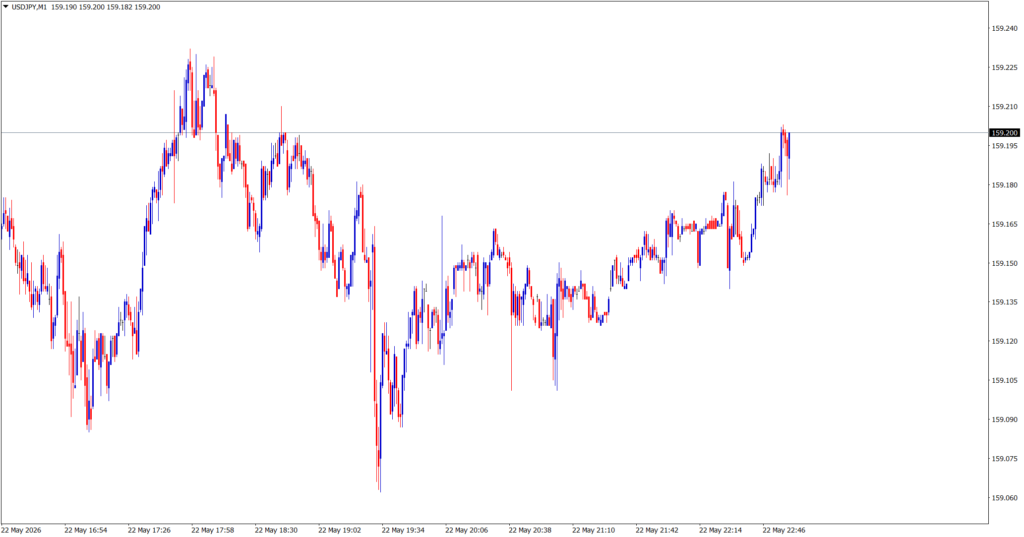
USD/JPY remained near extreme levels and continued hovering in intervention-sensitive territory. The pair was still technically bullish, but momentum began to look more cautious as oil’s decline eased some inflation pressure and U.S. yields pulled back.
Technically, the pair held its elevated range rather than breaking down. That shows how strong the dollar’s underlying support remained. However, the pair’s inability to accelerate much further suggested traders were hesitant to push too aggressively near historically sensitive levels.
Fundamental Analysis
Reuters noted that the yen remained weak despite Tokyo’s intervention warnings. The key reason was that Fed hike expectations still dominated. Even if U.S. yields eased somewhat on falling oil, the market still believed the Fed was much closer to hiking than the BOJ was to tightening enough to close the rate gap.
Reuters’ commentary on oil also highlighted an important yen-specific point: Japan imports around 90% of its energy, and falling crude prices reduce pressure on countries to tighten policy or intervene in FX markets. That means lower oil is actually helpful for Japan. But on Wednesday, that benefit was not enough to produce a stronger yen because the dollar’s Fed story remained too dominant.
USD/CAD
Technical Analysis
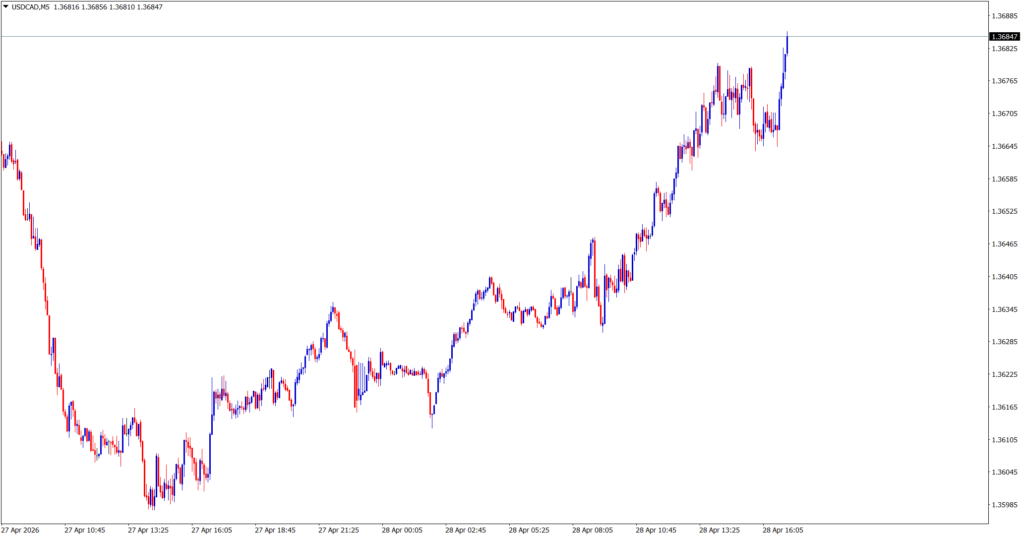
USD/CAD traded with a more mixed tone than the European pairs. The pair was supported by broad dollar strength, but falling oil prices created pressure on the Canadian dollar. Technically, USD/CAD remained inside its broader range but with a firmer upward bias.
The pair’s movement was not explosive, but it showed that CAD could underperform even on days when the broader inflation story cooled. That is because falling crude directly weakens one of Canada’s key macro supports.
Fundamental Analysis
The Canadian dollar faced a difficult backdrop. Falling oil reduced global inflation fears, which could eventually weaken the dollar. But it also directly reduced support for CAD, because Canada is a major energy exporter.
This made USD/CAD one of the cleaner expressions of the oil-dollar tension. Lower crude helped Europe and Japan, but it was less helpful for Canada. Therefore, even if the dollar rally paused later in the day, the loonie did not receive the same relief that euro or yen might receive from lower energy costs.
Market Outlook
Wednesday showed that the dollar rally was still powerful, but not invincible. Fed hike expectations and tech-sector weakness kept the greenback supported, while falling oil began reducing one of the major inflation drivers behind the move.
For now:
- EUR/USD remains under pressure but may stabilize if yields keep falling.
- USD/JPY is still bullish but heavily intervention-sensitive.
- USD/CAD remains supported by falling oil and broad dollar strength.
- The next key question is whether lower crude can meaningfully reduce Fed hike expectations.