


Friday extended Thursday’s dollar pullback. Reuters reported that the dollar fell for a second straight session as recent economic data and a drop in oil prices slightly cooled expectations for Fed rate hikes. However, the yen remained in territory that kept markets on intervention watch.
The session was not a collapse in the dollar. In fact, Reuters noted that the greenback was still on pace for a strong June, even as it eased into the end of the week. This distinction is important. The dollar was correcting from overbought levels, not losing its entire macro advantage.
Oil remained central. Lower crude prices reduced inflation fears and made it easier for traders to question how many Fed hikes would actually materialize. Gold also rose as the dollar weakened and hike expectations eased, although bullion remained on track for a fourth weekly decline because the broader June environment had been hostile to non-yielding assets.
The market therefore ended the week in a more balanced state: still broadly dollar-supportive on the month, but less convinced that the Fed-hike trade should be chased without fresh confirmation.
EUR/USD
Technical Analysis
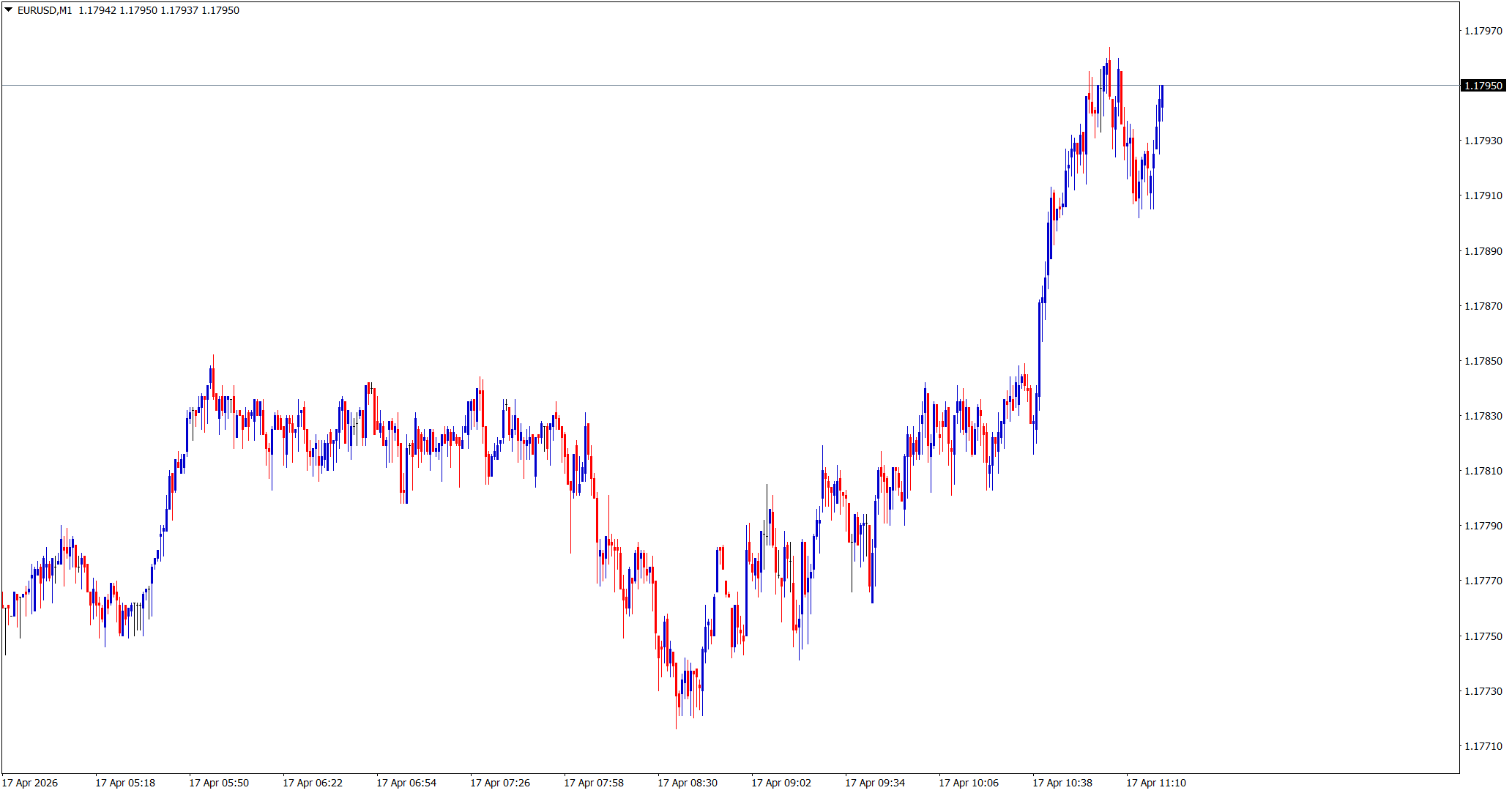
EUR/USD extended Thursday’s recovery and moved further away from its weekly lows. The rebound improved the short-term tone, but the pair remained below important resistance levels created by the earlier breakdown.
Technically, the euro was stabilizing rather than reversing decisively. Sellers had lost immediate control, but buyers still needed a stronger catalyst to rebuild a convincing bullish trend.
The pair’s recovery was therefore best understood as short-covering and dollar-profit-taking after a heavy selloff.
Fundamental Analysis
The euro benefited from two forces: softer dollar demand and lower oil prices. Lower crude helps Europe because it reduces imported inflation and supports real incomes. At the same time, softer U.S. data and lower oil reduced expectations that the Fed would need to hike aggressively.
However, the euro still faced the same structural limitations: weak eurozone growth and less compelling yield support compared with the U.S. That means EUR/USD can recover when the dollar weakens, but it still struggles to lead unless the Fed story turns meaningfully less hawkish.
USD/JPY
Technical Analysis
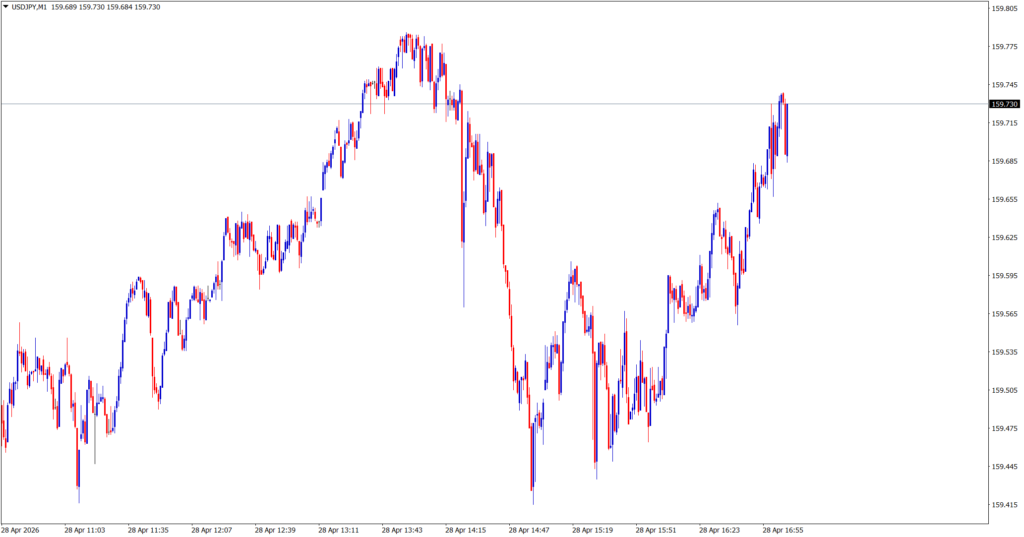
USD/JPY remained elevated and intervention-sensitive, even as the broader dollar eased. This made the pair one of the most important markets on Friday. The pair did not collapse with the dollar because the yen remained fundamentally weak, but upside momentum also stalled as intervention risk stayed high.
Technically, USD/JPY was trapped between two forces: a still-bullish long-term structure and increasing hesitation near extreme levels. The market remained reluctant to sell the pair aggressively, but also cautious about adding longs near possible intervention zones.
Fundamental Analysis
Reuters highlighted that the yen remained at levels primed for intervention even as the dollar declined. That captures the unique nature of USD/JPY. The broader dollar may soften, but the yen’s local problems remain severe.
The U.S.-Japan rate gap remains wide, and investors continue to view the yen as an attractive funding currency. At the same time, Japan’s authorities are increasingly uncomfortable with excessive weakness. This creates a market where price action can stay elevated until intervention risk suddenly becomes dominant.
Friday’s easing in Fed hike expectations reduced some pressure, but not enough to fully reverse the USD/JPY trend.
USD/CAD
Technical Analysis
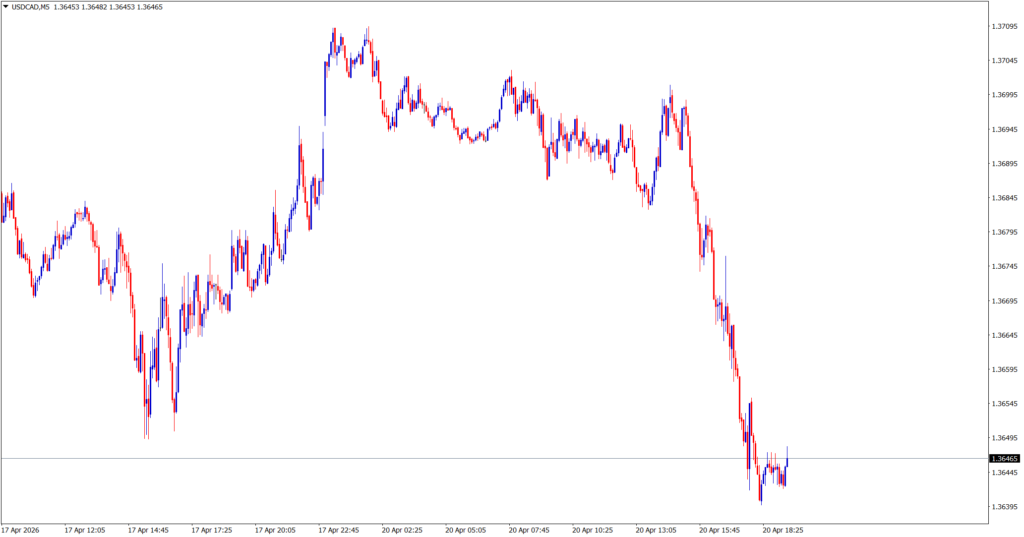
USD/CAD traded mixed into the close, reflecting the competing effects of softer dollar demand and weaker oil. The pair remained range-bound, with neither side able to generate a clean breakout.
Technically, this confirmed that USD/CAD remained one of the more complicated pairs in the current environment. The U.S. dollar was correcting lower, but CAD was not receiving strong support because oil prices were also falling.
Fundamental Analysis
The Canadian dollar was caught in a familiar contradiction. Lower oil prices reduce inflation pressure globally and can weaken the U.S. dollar, but they also reduce support for Canada’s export-linked currency.
That meant USD/CAD did not move as cleanly as EUR/USD. The euro benefits more directly from lower oil because Europe is an energy importer. CAD, by contrast, loses one of its key supports when crude falls.
Therefore, USD/CAD remained balanced. The dollar was weaker, but the loonie was not strong enough to force a decisive breakdown.
Market Outlook
Friday ended the week with a more nuanced dollar picture. The greenback had pulled back for two sessions, but it remained on track for a strong June after a major Fed-driven rally earlier in the month.
The next phase depends on whether the cooling in inflation expectations continues. If oil keeps falling and U.S. data softens, the market may further reduce Fed hike bets, creating room for additional dollar weakness. But if incoming data reaffirms U.S. resilience, the dollar could quickly regain control.
For now:
- EUR/USD has recovered but remains technically fragile.
- USD/JPY remains the most intervention-sensitive major pair.
- USD/CAD is trapped between lower oil and softer USD demand.
- The dollar rally has paused, but the broader June uptrend has not yet been invalidated.