


Wednesday delivered the week’s central macro event, and the outcome was more complicated than either dollar bulls or bears had expected.
The Federal Reserve left its policy rate unchanged at 3.50%–3.75%, but the decision was unusually divided. Three of the twelve FOMC participants dissented in favor of a 25-basis-point increase, resulting in a 9–3 vote to hold. The split demonstrated that inflation pressure remained a serious concern inside the Fed even though Chair Kevin Warsh and the majority were not yet prepared to tighten further.
The dollar nevertheless fell. The dollar index dropped around 0.3%–0.5%, the euro gained roughly 0.4% to $1.143, and sterling rose around 0.4% to $1.334. Investors had entered the meeting with meaningful expectations of a hike; the decision to stay put therefore triggered a partial unwind of long-dollar positions.
At the same time, the broader inflation environment became more dangerous. Oil prices surged approximately 7%–8% after renewed Middle East strikes and declining U.S. crude inventories revived fears of supply disruption. The oil rally complicated the Fed’s message: policymakers had declined to tighten, but the commodity backdrop was simultaneously creating exactly the kind of inflation risk that could force action later.
Bond markets reflected that tension. Two-year yields dipped after the Fed hold, while the long end sold off dramatically. The 30-year Treasury yield jumped roughly 12 basis points above 5.2%, creating a sharp bear steepening of the yield curve. That suggested investors were less worried about immediate Fed tightening than about longer-term inflation, fiscal supply, and policy credibility.
Equities also weakened. The Dow lost around 2.2%, the S&P 500 about 1.5%, and the Nasdaq around 1.7%. Disappointing technology earnings added to skepticism about the AI investment boom, while higher oil reinforced inflation anxiety.
Wednesday was therefore not a simple dovish-Fed session. It was a market questioning whether the Fed could afford to keep waiting.
EUR/USD
Technical Analysis
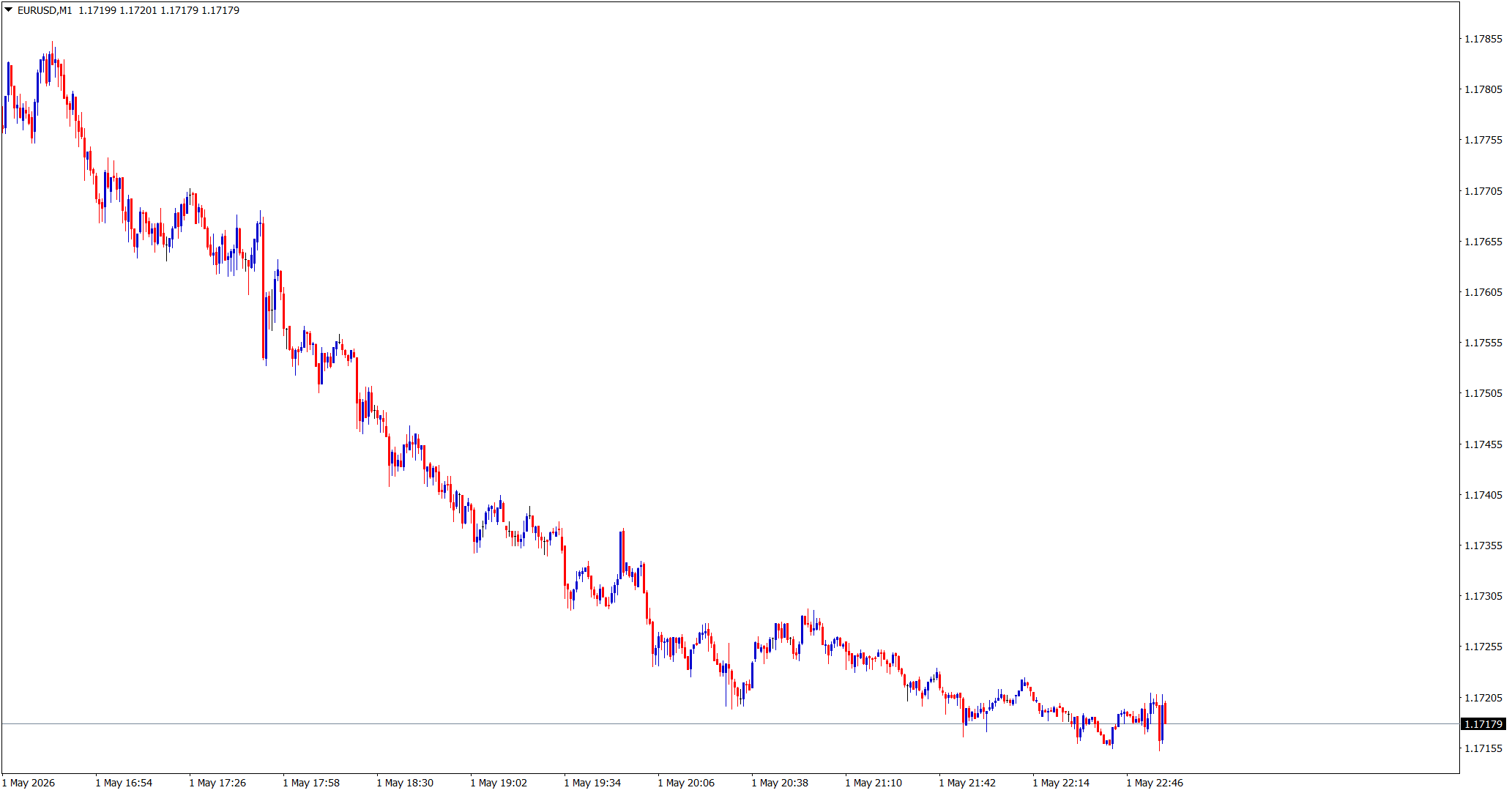
EUR/USD rallied toward $1.143, reversing part of the decline accumulated earlier in the week.
Technically, the move was significant because the pair reclaimed the 1.14 area after repeatedly threatening to break lower. The Fed hold removed an immediate catalyst for dollar appreciation and forced short euro positions to cover.
The broader structure, however, remained mixed. EUR/USD had recovered, but it had not yet broken convincingly above the range that contained price action throughout much of July.
A sustained move through higher resistance would be needed to confirm that Wednesday marked the start of a broader euro recovery rather than a temporary reaction to the Fed.
Fundamental Analysis
The euro gained because the Fed did not deliver the hike some investors had positioned for. But the 9–3 vote prevented the move from becoming aggressively anti-dollar.
Three dissents for a hike signaled meaningful inflation concern inside the FOMC, while surging oil simultaneously made the eurozone’s own inflation-growth tradeoff more difficult.
Europe is particularly vulnerable to oil shocks because it imports much of its energy. So while the Fed hold helped EUR/USD through the dollar side of the pair, the renewed 7%–8% oil rally limited enthusiasm for aggressively buying the euro.
GBP/USD
Technical Analysis
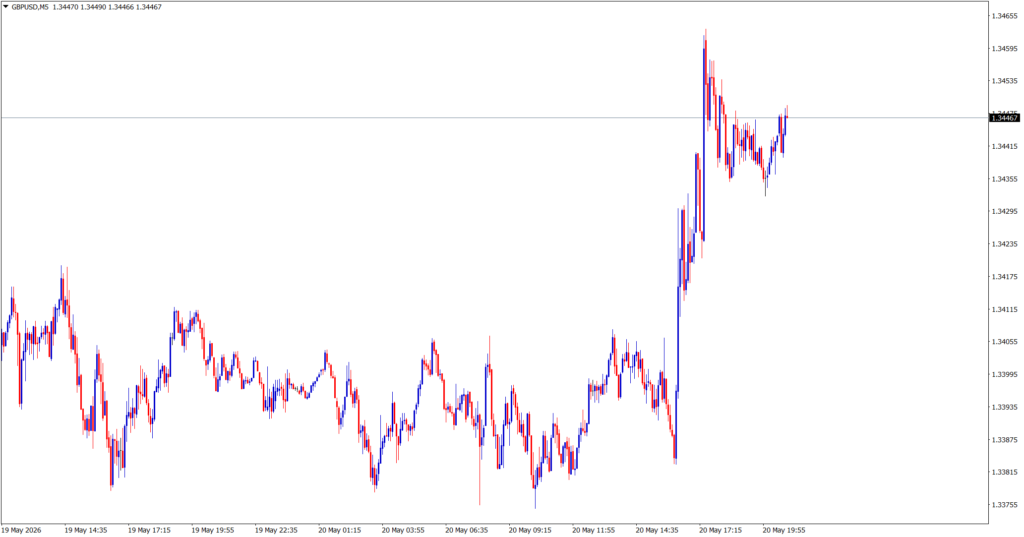
Sterling rose approximately 0.4% to $1.3342, recovering from the four-week low approached earlier in the week.
Technically, the pair successfully defended the low-$1.32 area and staged a relief rally. Momentum improved, but the broader July trend remained fragile.
A sustained move above recent resistance would be required before sterling could convincingly transition back to a bullish structure.
Fundamental Analysis
GBP/USD benefited primarily from dollar weakness after the Fed held rates. But sterling’s own backdrop remained complicated.
Markets were also preparing for the following day’s BoE decision. The UK central bank was expected to hold rates despite oil’s renewed surge because domestic inflation had recently surprised to the downside.
Political developments added another layer. Andy Burnham had recently become Britain’s seventh prime minister in a decade, and investors were assessing whether his administration would maintain fiscal discipline. Meanwhile, speculative short sterling positions had been cut substantially from the 11-year highs reached in June, meaning the pound had less bearish positioning left to unwind.
USD/JPY
Technical Analysis
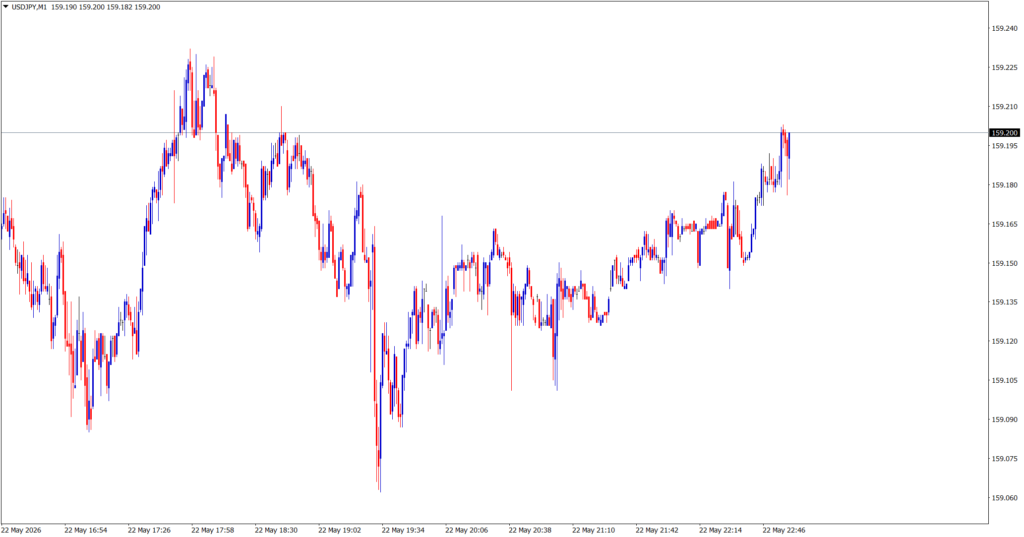
USD/JPY remained elevated close to historic highs despite the broader dollar decline.
This divergence was important. If a Fed hold could not produce a substantial yen recovery, the market was effectively signaling that Japan’s structural weakness remained more powerful than the immediate dollar catalyst.
Technically, the pair remained dangerously stretched but still supported. The 164 area continued acting as the immediate ceiling, while intervention risk remained the dominant downside wildcard.
Fundamental Analysis
The yen received some theoretical support from the Fed hold because near-term U.S. rate expectations softened. But oil’s 7%–8% surge worked in the opposite direction.
Japan imports the overwhelming majority of its energy, so a new crude-price shock worsens its trade balance and raises household costs. That made the renewed Middle East escalation disproportionately negative for the yen.
Japan’s political backdrop remained equally challenging. Reuters reported that Prime Minister Takaichi was trapped in a “doom loop” between falling approval ratings, expansionary fiscal policy, rising bond yields, and yen weakness.
That meant traders continued waiting for the BOJ or Ministry of Finance to produce something more forceful than verbal warnings.
Market Outlook
July 29 left markets with an unstable policy mix.
- The Fed held, weakening the dollar initially.
- Three FOMC members wanted a hike, preventing a dovish interpretation.
- Oil surged 7%–8%, threatening another inflation shock.
- Long Treasury yields jumped, indicating concerns about future inflation and fiscal credibility.
- EUR/USD and GBP/USD rebounded, but neither had an uncomplicated bullish fundamental backdrop.
- USD/JPY stayed near extremes, keeping intervention risk elevated.
The next 48 hours would shift the focus from Washington to London and Tokyo.