


Friday closed the week with the anti-dollar narrative still intact. Reuters reported that the dollar was on track for its largest weekly drop since January as investors sold safe-haven assets on the assumption that oil shipping could resume if the ceasefire held and that weekend peace talks in Islamabad might extend the truce into something more durable. That is a very different market from the one that existed only days earlier, when the greenback was still benefiting from an embedded war premium. By Friday, traders were no longer pricing the conflict mainly through immediate escalation. They were pricing it through the possibility of normalization.
Importantly, this did not mean the market had become complacent. Reuters also noted that Hormuz flows were still restricted and that the truce remained fragile. So the week was ending not with a perfect peace trade, but with a meaningful unwind in safe-haven dollar positioning. That distinction helps explain why the dollar was broadly weaker even though some local data, such as Canada’s jobs report, were not especially strong and some regional tensions, especially around Lebanon, had not disappeared.
GBP/USD
Technical Analysis
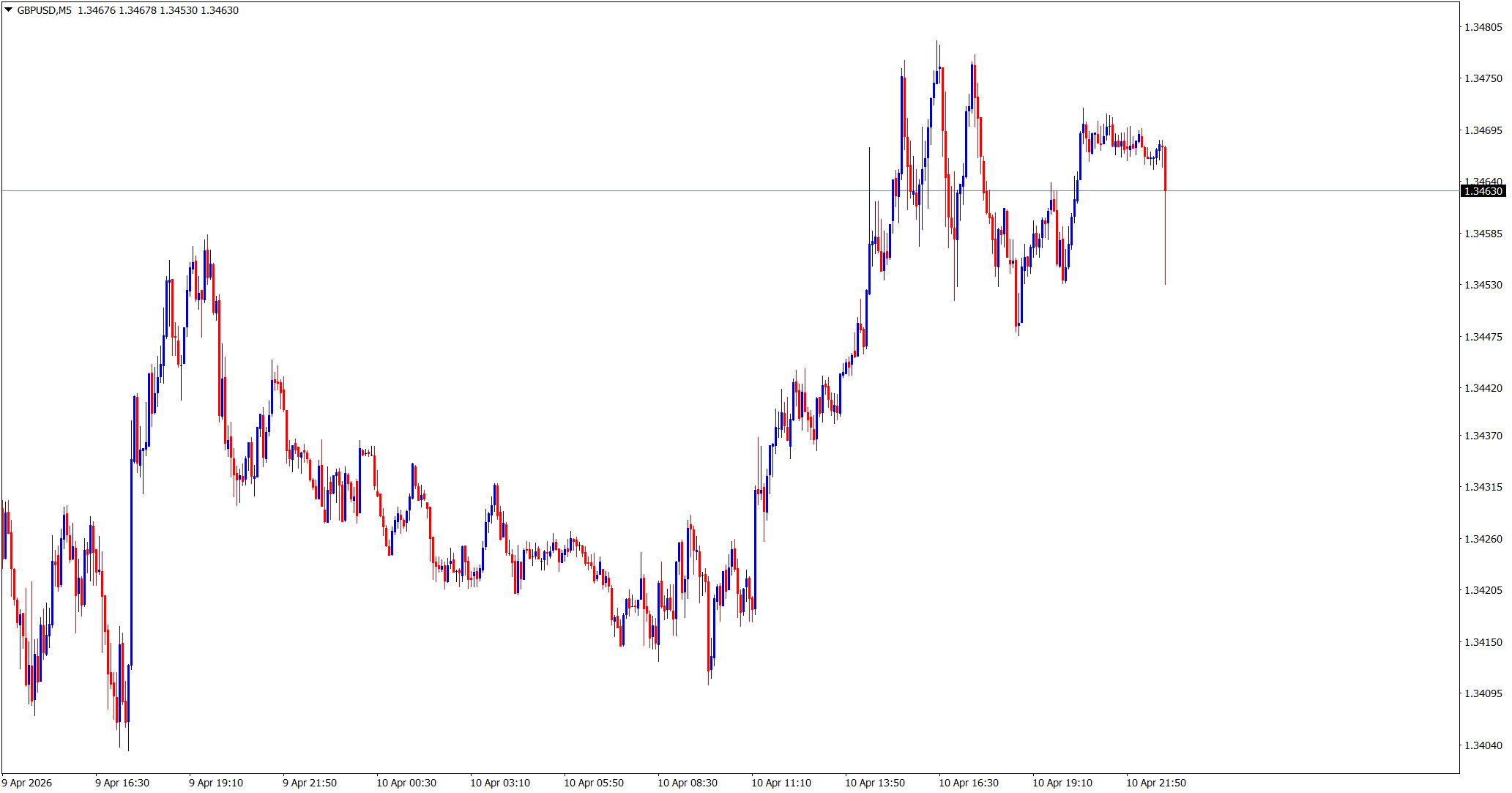
Sterling dipped slightly on Friday but remained set for its biggest weekly gain since January, according to Reuters. That is a useful technical combination: minor profit-taking into the weekend without any serious damage to the weekly rebound. In chart terms, it usually means the prior upside move has been accepted by the market and that sellers are not yet strong enough to force a deep retracement. GBP/USD therefore finished the week with one of the stronger recovery profiles among the major European pairs.
Fundamental Analysis
Reuters’ sterling coverage emphasized that the pound’s weekly strength was driven by optimism around Iran and the resulting drop in the dollar’s haven premium. That fits the broader weekly pattern. The UK did not suddenly become a stronger macro story than the U.S.; it simply stopped being punished as severely for energy vulnerability once the ceasefire reduced the probability of a deeper oil shock. Markets were therefore willing to buy sterling on relief, even if they remained cautious about how much of that relief should ultimately be priced in.
USD/CAD
Technical Analysis
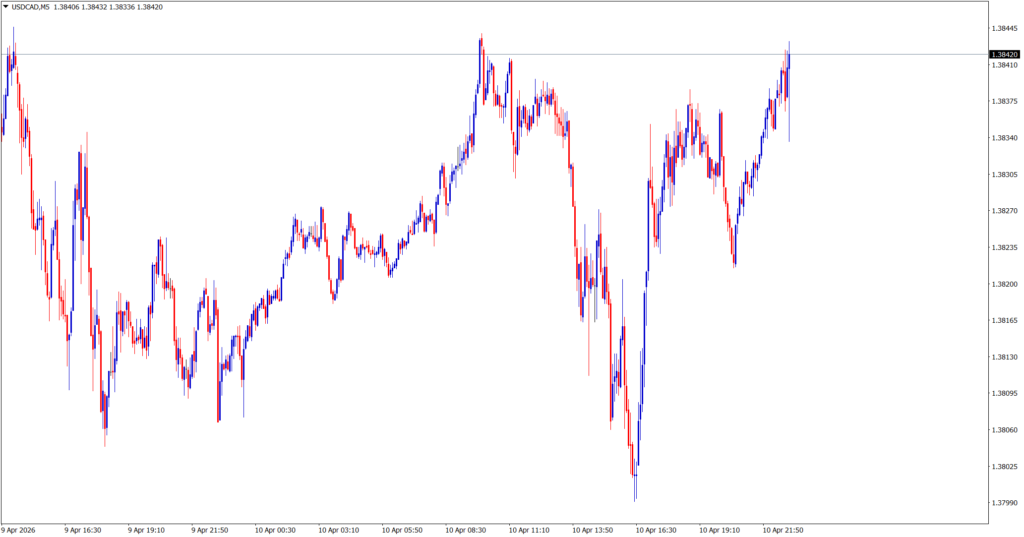
USD/CAD was more nuanced. Reuters reported the Canadian dollar fell 0.1% on Friday after tepid job growth, but still posted a 0.8% weekly advance. That is important technically because it tells you Friday’s modest reversal was not enough to damage the broader weekly trend. The pair spent most of the week repricing lower as the dollar’s haven premium collapsed, and Friday’s small bounce looked more like end-of-week consolidation than a real change in direction.
Fundamental Analysis
Reuters said Canada added 14,100 jobs in March, a soft rebound after February’s 84,000 loss. That was enough to stop CAD from extending gains aggressively on Friday, but not enough to undo the week’s broader strength. The loonie had benefited from the ceasefire, improved sentiment, and the market’s willingness to rotate away from the dollar. Friday’s jobs print simply reminded traders that Canada still had domestic softness to contend with. That is why USD/CAD did not fall endlessly through the week. It declined because of the U.S. story first, not because Canada’s domestic macro picture had suddenly become strong.
USD/JPY
Technical Analysis
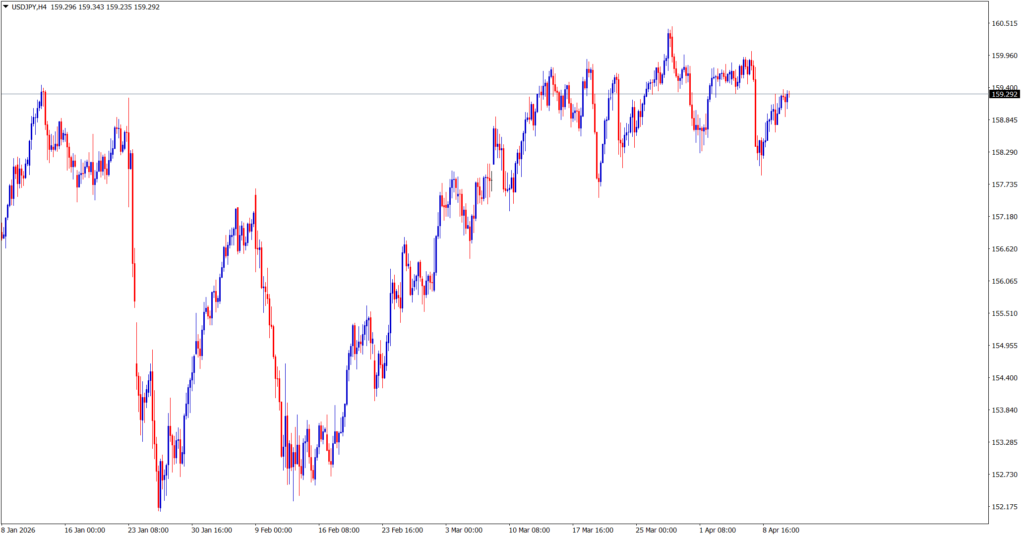
USD/JPY remained weak relative to where it had traded earlier in the month, but it did not behave as decisively anti-dollar as EUR/USD or GBP/USD. Reuters’ weekly-drop piece noted that the yen was still struggling due to low rates and energy import pressures. That helps explain the technical picture: the pair could soften as the dollar declined broadly, but the downside lacked the same clean authority visible in European currencies. In practical terms, USD/JPY was participating in the anti-dollar week, but not leading it.
Fundamental Analysis
This relative underperformance of the yen is completely consistent with Reuters’ framing. Japan still faced the same structural problems that had made the yen weak during the war phase: low rates, imported energy stress, and lingering fiscal concerns. So even as the dollar lost haven demand, the yen did not become the market’s favorite alternative in the way the euro or pound temporarily did. This is a crucial distinction for interpreting Friday: a weaker dollar does not automatically produce a strong yen if the local Japanese macro story still looks compromised.
Market Outlook
The week ended with a clear shift in regime. The dollar, which had dominated late March and early April on war and oil fears, finished Apr. 10 headed for its largest weekly decline since January as markets priced a meaningful, if still fragile, reduction in geopolitical risk. GBP/USD ended as one of the cleanest relief-rally pairs, USD/CAD showed that the dollar unwind was real even against a currency with mediocre domestic data, and USD/JPY reminded traders that not every anti-dollar week produces uniform strength across all counterparts. The next phase would depend heavily on the Islamabad talks: a successful extension of the truce would likely keep the dollar under pressure, while any breakdown could quickly restore part of the haven bid.
Check out our other forex market analysis: