


Thursday reversed much of Wednesday’s optimism. Reuters reported that the dollar regained its footing after hopes of de-escalation gave way to fresh uncertainty, with more intensive bombing and renewed Iranian retaliation threats keeping investors on edge. The euro fell to $1.1580, sterling dropped to $1.3326, and the dollar index climbed to 99.26. Reuters also said the market was largely ignoring weekly jobless claims because the war and inflation fears were the bigger story.
That was important because it confirmed something about the whole week: data mattered only when it fit the geopolitical story. Stable U.S. labor data did not hurt the dollar. It simply removed one possible reason to sell it. The conflict itself remained the central driver, and every sign that it might deepen made investors more comfortable moving back toward the greenback.
EUR/USD
Technical Analysis
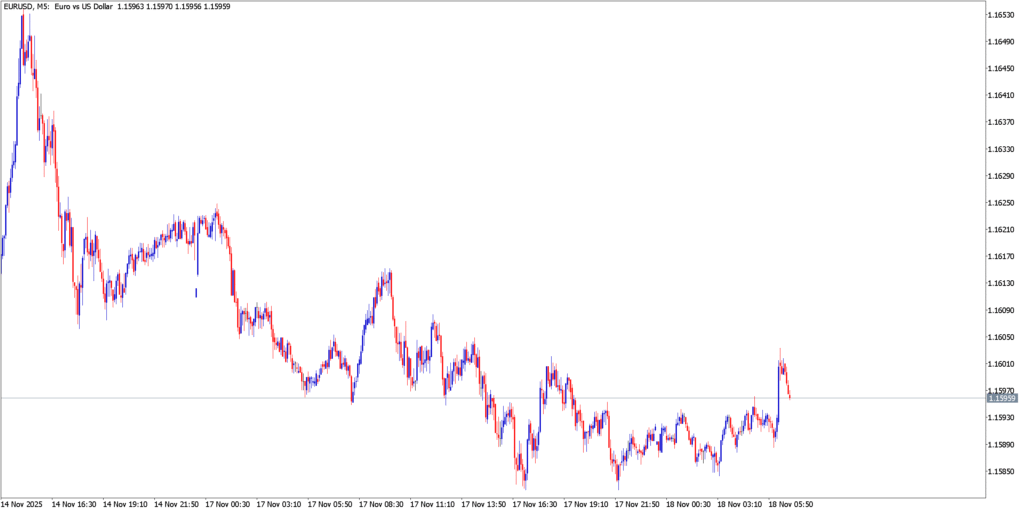
EUR/USD fell in a way that undermined Wednesday’s bounce. Technically, failed rebounds are often more bearish than uninterrupted downtrends, because they show that recovery attempts are being sold by larger players. Thursday’s move looked exactly like that: the euro could not convert its relief rally into a new base, so the market returned it toward the week’s lower end.
Fundamental Analysis
Reuters described the euro as one of the currencies pushed down again as the dollar benefited from renewed haven demand. Inflation fears remained a key part of that story. Reuters noted that investors were also selling German Bunds and U.S. Treasuries, which reinforced the sense that the market still saw inflation, not recession, as the more urgent consequence of the conflict. That is not a friendly backdrop for the euro, because Europe remains a clear energy importer and therefore especially exposed to the inflation-growth squeeze.
GBP/USD
Technical Analysis
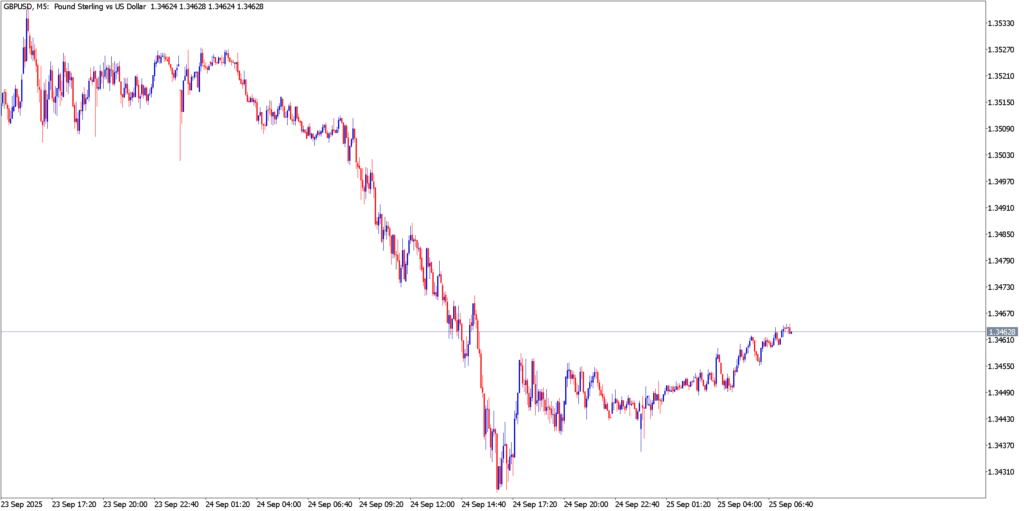
GBP/USD slipped again and looked heavier than the euro at times. That made sense. Sterling had already shown earlier in the week that it was vulnerable when oil complicated the BoE outlook. Thursday’s decline reinforced the idea that GBP/USD was one of the clearest “energy shock plus safe-haven dollar” expressions.
Fundamental Analysis
Reuters reported that sterling was down 0.3% at $1.3326 by afternoon trade. The pound’s problem was not simply that the dollar was stronger. It was that the UK remained highly exposed to the inflation consequences of rising energy prices. Higher oil makes it harder for markets to price BoE easing cleanly, but that does not automatically help the pound if investors also become more worried about growth and political stability. Sterling therefore remained one of the more fragile G10 currencies in the week’s macro mix.
USD/JPY

Technical Analysis
USD/JPY stayed elevated and reactive. The pair still did not trade with perfect linearity, but the broader structure favored the dollar again as Thursday’s worsening headlines pushed investors back toward the week’s original theme. Any intraday softness struggled to last.
Fundamental Analysis
While Reuters’ Thursday piece focused more directly on the euro and sterling, the same drivers still applied to USD/JPY: renewed haven demand for the dollar, higher inflation concerns, and a market not yet ready to assume fast Fed easing. The pair remained especially sensitive because the yen still carried its haven identity while also belonging to an economy hurt by higher imported energy costs. So the broad logic favored USD/JPY staying supported even if the path remained choppy.
Market Outlook
By Thursday’s close, Wednesday’s rebound clearly looked tactical rather than structural. The market had tried to unwind the dollar’s surge on diplomacy hopes, but once those hopes faded, the earlier framework snapped back into place: stronger dollar, weaker European currencies, and a still-volatile USD/JPY.