


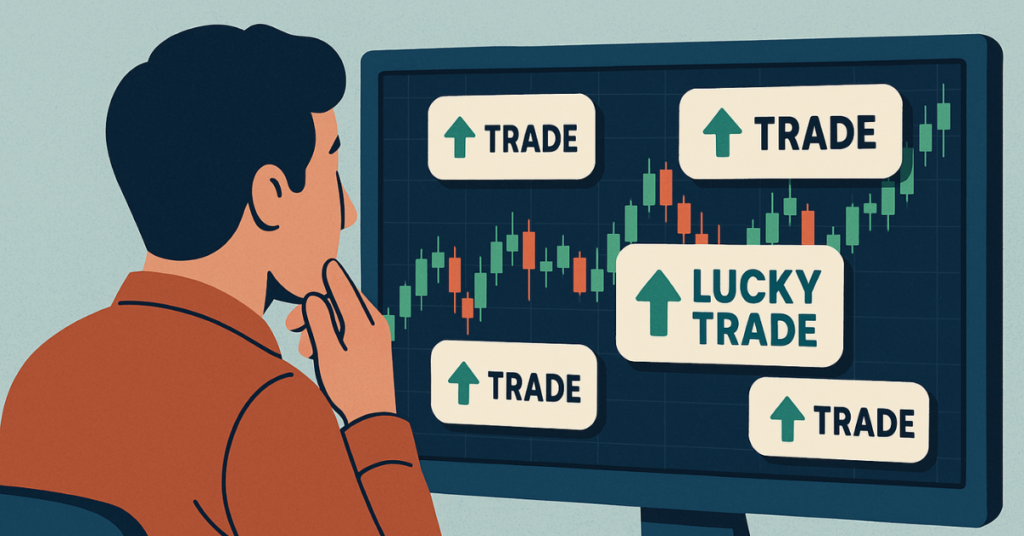
You can’t reliably state how many lucky trades you can get in a day because outcomes depend on probability and market conditions. Some traders may hit a few unexpected wins, while others get none; consistent success depends on strategy, risk management, and disciplined trade sizing, not luck.
Key Takeaways
- Lucky trades are unpredictable and cannot be measured daily because they depend on random market movement, not skill.
- The number of winning trades in a day varies based on volatility, trade frequency, and strategy, not luck.
- Relying on luck usually leads to overtrading and higher risk.
Understanding “Lucky Trades”
“Lucky trades” refer to wins that occur without strategic planning, proper analysis, or confirmed setups. These trades usually happen when market movement unexpectedly aligns with a trader’s impulsive entry or emotional decision. While they may feel rewarding, they are rooted in randomness rather than repeatable skill or probability-driven trading.
How Many Lucky Trades Can You Get in a Day?
The number of lucky trades you can get in a day varies widely because luck has no measurable pattern or probability you can rely on. Some traders may experience one or two unexpected wins during volatile market periods, while others may see none at all. These outcomes are random and can’t be predicted or repeated consistently.
6 Factors That Influence Random/Lucky Trades
Several factors can affect the occurrence of lucky trades in a single day:
- Market Volatility: Sudden price swings can create unexpected opportunities that may appear “lucky.”
- Trade Frequency: More trades increase the chance of random wins but also amplify potential losses.
- Timing: Certain times of day, like high-liquidity sessions, may create more unpredictable movements.
- Asset Type: Highly volatile assets (e.g., cryptocurrencies or small-cap stocks) may generate more sporadic wins.
- Trader Behavior: Impulsive decisions, emotional trading, or overtrading often contribute to the perception of luck.
These factors demonstrate that “luck” is largely influenced by probability, market conditions, and trader behavior rather than genuine randomness.
Expected Number of Winning Trades per Day (Skill-Based, Not Luck)
While lucky trades are random, winning trades based on skill follow more predictable patterns. Experienced traders often achieve a modest number of daily wins depending on strategy, risk management, and market conditions. On average, day traders might expect 2–5 skill-based profitable trades per day when following disciplined setups.
How High Leverage and Broker Conditions Influence Daily Trades

Traders aiming for more frequent trades can benefit from certain broker features like Defcofx. Using high leverage options, such as up to 1:2000 leverage, allows traders to take positions with smaller capital while potentially increasing trade opportunities. Combined with low spreads from 0.3 pips and no commissions or swap fees, these conditions make it easier to manage multiple trades in a day efficiently.
Additionally, brokers with fast support and withdrawals, processed within 4 business hours, ensure traders can quickly access funds and maintain trading continuity. Global reach also allows traders from all countries to participate, making market access seamless and reliable.
Can Bonuses or Low Costs Increase Your Trading Opportunities?
Certain broker features like Defcofx can indirectly influence how many trades a trader might attempt in a day.
For example, a 40% welcome bonus on first-time deposits of $1000 or more provides additional capital, giving traders extra room to explore setups without immediately risking their own funds.
Similarly, no commissions or swap fees and low spreads starting from 0.3 pips reduce transaction costs, allowing more trades to be executed efficiently.
How to Transition From Luck-Based Trading to Strategy-Based Trading
To move from relying on random wins to consistent trading success:
- Use proven strategies: Follow setups with clear entry and exit rules.
- Manage risk: Use stop-loss and take-profit levels for every trade.
- Analyze results: Track performance to identify patterns, not random outcomes.
- Leverage tools wisely: Indicators, chart patterns, and MT4/MT5 features enhance decision-making without depending on luck.
Even with high leverage, low spreads, or bonuses, your long-term success depends on skill and discipline, not lucky streaks. This ensures sustainable profitability and reduces emotional trading errors.
This section provides actionable guidance while naturally linking back to broker conditions as supportive tools, not guarantees of luck.
Is It Possible to Have Many Lucky Trades in One Day?
While traders may occasionally experience multiple “lucky” trades in a day, this is highly unpredictable. Market conditions, volatility, and random price movements sometimes align in favor of the trader, but these occurrences are purely coincidental.
Multiple lucky trades in a single day are not a reliable strategy. Most consistent traders focus on skill-based entries and probability-driven setups rather than hoping for random wins.
Using broker advantages like high leverage, low spreads, and fast withdrawals can support frequent trading opportunities, but they do not guarantee luck. Traders should always combine these tools with analysis, strategy, and proper risk management to achieve sustainable results.
Table: Random Wins vs Strategy-Based Wins
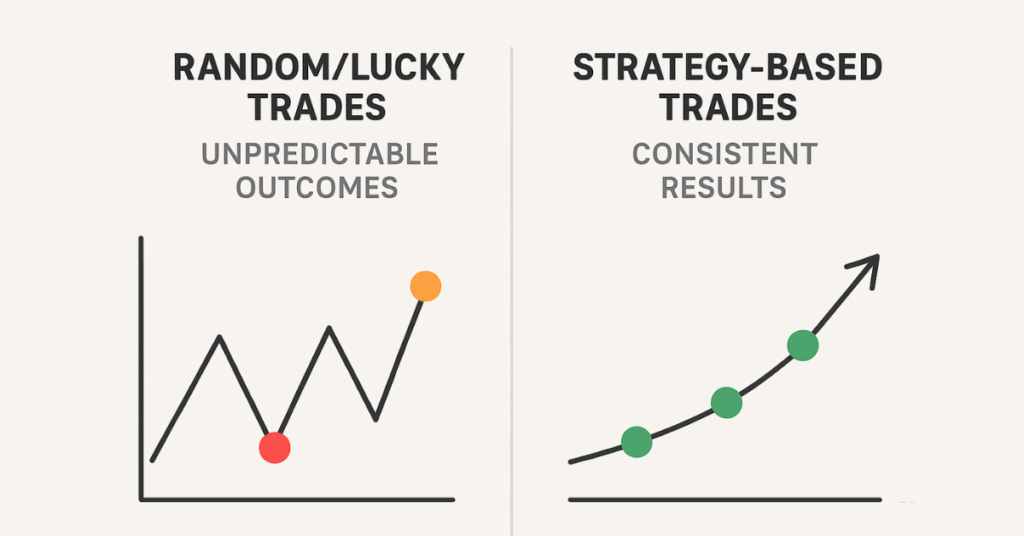
| Aspect | Random/Lucky Trades | Strategy-Based Trades |
| Predictability | Unpredictable, based on chance | High, based on analysis and rules |
| Frequency | Varies widely; may get 0–few per day | Consistent, depends on setups and skill |
| Risk | High can lead to large losses | Controlled managed with stop-loss and risk limits |
| Emotional Impact | Can cause overconfidence or frustration | Builds discipline and confidence |
| Broker Influence | Limited only provides access | Enhanced low spreads, high leverage, bonuses, and fast withdrawals aid execution |
| Long-Term Success | Rarely sustainable | Sustainable over time with proper strategy |
This table clarifies the difference between relying on luck and following disciplined trading strategies, showing why skill-based trading is far more effective than hoping for multiple lucky trades in a day.
Final Thoughts on How Many Lucky Trades Can You Get in a Day?
Relying on lucky trades is not a sustainable approach. While occasional random wins can happen, they are unpredictable and cannot be counted on daily. Consistent success comes from strategy, disciplined risk management, and using market analysis to guide entries and exits.
Defcofx features like high leverage, low spreads, no commissions, welcome bonuses, fast withdrawals, and global access can support trading efficiency and provide more opportunities, but they do not replace skill. Traders should focus on building probability-driven strategies rather than chasing luck.
Open a Trading Live AccountFAQs
Lucky trades are unpredictable and vary greatly among traders. Some may experience one or two random wins, while others may get none. Relying on luck is not a sustainable trading strategy.
For skill-based trading, most day traders achieve 2–5 profitable trades per day, depending on strategy, market conditions, and risk management. Consistency comes from planning, not luck.
High leverage, like up to 1:2000 offered by brokers such as Defcofx, allows more trade opportunities but does not guarantee luck. It amplifies both potential profits and risks.
Beginners should focus on quality over quantity. Taking 1–3 well-analyzed trades per day is more effective than chasing multiple random wins.
Long-term success relies on strategy, discipline, and risk management. Occasional lucky trades do not contribute to sustainable profitability and should not form the basis of your trading plan.