


What Is Backtesting in Trading?
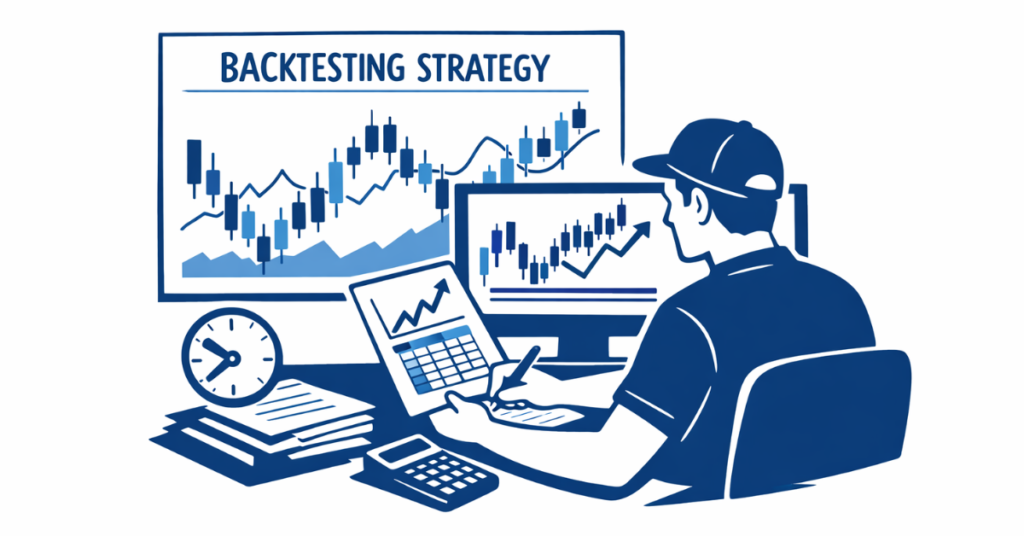
Backtesting in trading is the process of testing a trading strategy using historical market data to see how it would have performed. It helps traders evaluate the effectiveness of strategies, reduce risks, and gain confidence before executing trades in live markets.
Important Points
- Backtesting validates strategies by simulating them on historical data before using real money.
- Identifies strengths and weaknesses of trading strategies to improve decision-making.
- Reduces risk by showing how strategies perform under different market conditions.
- Tools for backtesting range from manual spreadsheets to advanced platforms and trading simulators.
- Limitations exist, past performance doesn’t guarantee future results, and overfitting can distort outcomes.
Why Backtesting Is Important
Backtesting is an important step in trading because it provides traders with a clear understanding of how their strategies would have performed historically, allowing them to make more informed decisions in real market conditions.
Without backtesting, traders are essentially guessing whether their approach will work, which exposes them to unnecessary risks and potential losses. By analyzing past performance, traders can see what works, what doesn’t, and under which market conditions their strategy is most effective.
Risk Reduction and Better Decision-Making
One of the most significant benefits of backtesting is risk reduction. Simulating trades using historical data helps traders identify potential drawdowns, losing streaks, and other weaknesses in their strategy.
With this information, they can apply proper risk management, adjust position sizes, and refine entry and exit rules before risking real capital. Backtesting also supports better emotional control, as decisions are guided by data rather than instinct during live trading.
Building Confidence in Trading Strategies
Backtesting plays an important role in building trader confidence. Seeing a strategy perform across different market environments such as trending, ranging, and volatile conditions helps reassure traders that their approach is consistent and reliable. This confidence is essential, as uncertainty or hesitation can lead to missed opportunities, poor execution, or overtrading.
Strategy Optimization and Performance Improvement
Beyond validation, backtesting allows traders to optimize their strategies. Testing different parameters, timeframes, and market conditions makes it possible to fine-tune performance while keeping risk in check. It also enables traders to compare multiple strategies objectively, helping them select the ones that best align with their goals and risk tolerance.
How to Backtest a Trading Strategy
Backtesting a trading strategy involves systematically applying your trading rules to historical market data to evaluate how your approach would have performed in the past. This process allows traders to gain valuable insights into the potential effectiveness of their strategies without risking real money.
Proper backtesting requires careful preparation, clear rules, and detailed analysis of results to ensure accuracy and reliability.
- The first step in backtesting is to define your strategy clearly. This includes specifying entry and exit conditions, position sizing, stop-loss and take-profit levels, and any risk management rules. A well-defined strategy ensures that the backtesting process is consistent and measurable. Without clear rules, the results can be misleading and fail to provide actionable insights.
- Next, traders must gather historical market data relevant to their strategy. The data should be comprehensive, covering different market conditions such as trending, sideways, and volatile periods. High-quality, accurate data is critical because poor or incomplete data can distort the results and lead to false conclusions about the strategy’s effectiveness.
Once the strategy and data are ready, the trader applies the strategy to the historical data, simulating trades exactly as they would occur in live markets. This involves recording each trade’s entry and exit points, calculating profits and losses, and tracking performance metrics such as net profit, win rate, maximum drawdown, and risk-reward ratio.
Analyzing these results allows the trader to understand how the strategy performs under various conditions and identify any weaknesses or areas for improvement.
Tools and Platforms for Backtesting
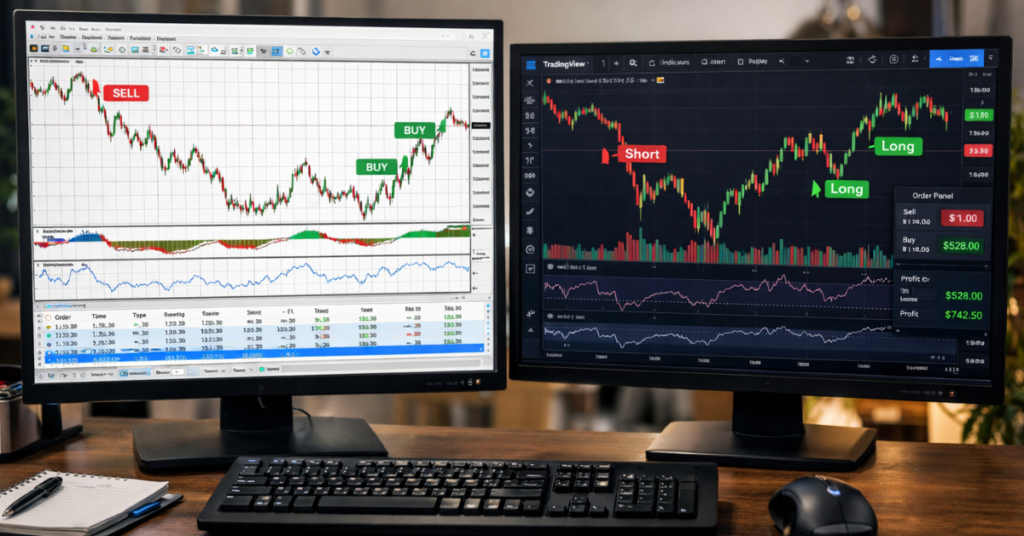
Traders have several options when it comes to backtesting their strategies. Using the right tools can make the process faster, more accurate, and more insightful. Common options include spreadsheets, trading simulators, and advanced trading platforms.
4 Key features to look for in backtesting platforms:
- Historical Data Access: Comprehensive past market data for multiple assets like Forex, stocks, indices, and crypto.
- Automation Capabilities: Platforms that allow automated backtesting save time and reduce human error.
- Performance Metrics: Win rate, drawdown, risk-reward ratio, and net profitability analysis.
- Flexibility: Adjustable timeframes and customizable strategy parameters.
Defcofx Advantage
Traders using Defcofx MT5 demo accounts can backtest strategies on real-time market data with high leverage options up to 1:2000, giving flexibility to see how different positions would have performed. Additionally, low spreads starting from 0.3 pips and no commissions or swap fees make strategy testing more realistic and cost-efficient.
Other notable platforms for backtesting include:
- MetaTrader 5 (MT5): Supports manual and automated backtesting across multiple instruments.
- TradingView: Offers visual backtesting and strategy scripting for various markets.
- Trading Simulators: Allow practice in a simulated environment without risking capital.
Backtesting Across Markets
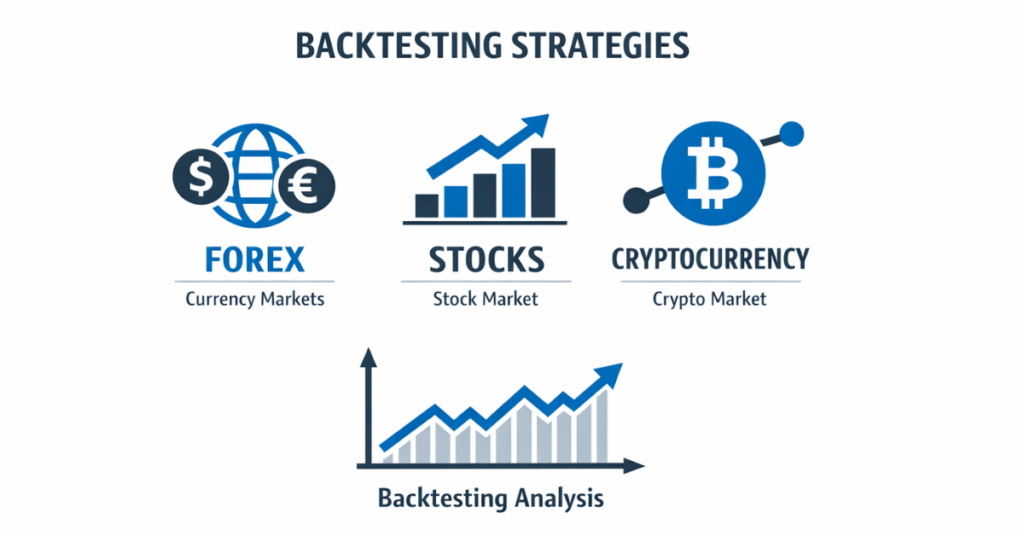
Backtesting isn’t limited to one type of market; it is applicable across Forex, stocks, cryptocurrencies, indices, and other financial instruments. Each market has unique characteristics, volatility levels, and trends, which require traders to adjust their strategies accordingly.
Testing strategies across different markets helps traders see how they perform in real-world conditions, giving them clearer insights and more confidence when making trading decisions.
5 Key considerations for backtesting across markets:
- Forex Trading: Focuses on currency pairs and requires analyzing economic indicators, interest rates, and global events. Strategies must account for trends, reversals, and high liquidity periods.
- Stock Trading: Involves equities, where backtesting must consider corporate news, earnings reports, and sector-specific trends.
- Cryptocurrency Trading: Crypto markets are highly volatile and operate 24/7, making historical data analysis critical to understand extreme price swings.
- Indices and Commodities: Strategies should account for broader market trends and macroeconomic factors affecting asset prices.
Defcofx Relevance: Traders using Defcofx can take advantage of global reach and multiple market instruments while testing strategies. High leverage options up to 1:2000 allow traders to experiment with different position sizes during backtesting, while low spreads starting from 0.3 pips ensure realistic simulation of costs.
Open a Live Trading AccountBacktesting across multiple markets helps traders understand where their strategies perform best and identify limitations. This multi-market approach increases confidence, reduces risk, and allows for more strategic allocation of capital in live trading scenarios.
Advantages and Limitations of Backtesting
Backtesting provides traders with insights into strategy performance, helping them make informed decisions while minimizing risk. However, it also has limitations that must be understood to avoid overreliance on historical data.
| Advantages | Limitations |
| Validates trading strategy effectiveness before risking real money | Past performance does not guarantee future profits |
| Builds trader confidence and discipline in executing strategies | Risk of overfitting a strategy to historical data, reducing adaptability |
| Helps identify potential risks and weak points in strategies | Market conditions change, making historical outcomes less predictive |
| Allows optimization of entry and exit points | Limited by data quality, completeness, and timeframes available |
| Defcofx KPI Integration: High leverage options up to 1:2000 and low spreads from 0.3 pips allow realistic backtesting scenarios | Strategy simulations may not account for live trading costs, slippage, or unexpected market events |
| Enables testing across multiple markets (Forex, stocks, crypto, indices) | Automated backtesting tools may fail to capture subtle market nuances |
6 Tips for Effective Backtesting
To make the most out of backtesting, traders need to approach it methodically and realistically. Proper execution ensures that strategies are tested accurately and results are meaningful for live trading.
Key tips for effective backtesting include:
1. Test Across Multiple Timeframes: Testing a strategy on different timeframes helps reveal whether it stays consistent in both short-term movements and longer market trends.
2. Use Realistic Market Conditions: Accurate results depend on realistic assumptions, including spreads, slippage, and execution speed. Using platforms like Defcofx, which offers spreads starting from 0.3 pips, helps ensure simulations closely reflect live trading conditions.
3. Avoid Overfitting: Making a strategy look perfect on historical data can create unrealistic expectations. A solid strategy should remain flexible enough to perform under changing market conditions.
4. Leverage Demo Accounts: Demo accounts provide a safe way to apply insights gained from backtesting. Defcofx MT5 demo accounts offer leverage up to 1:2000, allowing traders to experiment with different position sizes without risking real capital.
5. Analyze and Refine: Reviewing metrics such as net profit, drawdowns, win rate, and risk-to-reward ratio helps identify areas for improvement. Small, gradual adjustments tend to be more effective than drastic changes.
6. Document Results: Keeping detailed records of backtesting results makes it easier to track progress, recognize patterns, and refine strategies over time.
Final Thoughts on What is Backtesting in Trading
Backtesting is a cornerstone of successful trading, providing traders with the ability to evaluate strategies without risking real money. By testing strategies on historical data, traders can identify strengths, uncover weaknesses, and refine entry and exit rules to improve overall performance. It builds confidence, reduces emotional decision-making, and helps traders approach live markets with discipline and clarity.
While backtesting cannot predict future market movements with absolute certainty, it offers invaluable insights into how strategies perform under various conditions. Traders who consistently backtest and analyze their approaches are better equipped to adapt to changing market trends, optimize risk management, and improve consistency in trading results.
FAQs
Backtesting is the process of applying a trading strategy to historical market data to see how it would have performed. It allows traders to evaluate profitability, risks, and strategy effectiveness before using real money in live markets.
Backtesting provides valuable insights, but it is not 100% predictive. Accuracy depends on the quality of historical data, realistic assumptions about spreads, slippage, and execution, and avoiding overfitting strategies to past data.
No, backtesting cannot guarantee future profits. It only estimates potential outcomes based on historical performance. Market conditions, volatility, and unexpected events can cause actual results to differ from backtested results.
Traders can use spreadsheets, trading simulators, and platforms like MetaTrader 5 (MT5) or TradingView. Defcofx demo accounts allow testing strategies in real-time conditions with features like high leverage options up to 1:2000 and low spreads from 0.3 pips, making backtesting more realistic.
Strategies should be backtested regularly, especially after market changes, strategy updates, or adjustments in risk management. Regular backtesting ensures that strategies remain effective under evolving market conditions.
Yes. Backtesting can be applied across Forex, stocks, cryptocurrencies, indices, and commodities. Each market requires careful adjustment of parameters to account for volatility, trends, and liquidity differences.
Defcofx Forex Articles You Shouldn’t Miss
Discover powerful forex strategies in these top reads from Defcofx.
- Lot Size vs Leverage Explained: Risk, Margin & Pip Value
- Top 10 Currencies in the World
- Top 20 Trading Indicators for Forex, Stocks & Crypto
- What Time Does the Forex Market Open on Sunday?
- MT5 Indicator For Volatility Index
- MT4 Entry Indicator
- Metatrader 4 Support and Resistance Indicator
- What Is a Trade Assist?