


Monday marked a clear break from the prior week’s anti-dollar relief trade. The ceasefire optimism that had knocked the greenback lower into Apr. 10 gave way to a much tougher geopolitical reality after U.S.-Iran talks stalled and Washington moved to blockade Iranian ports. Reuters reported that Brent surged more than 8% above $102.50, while currencies tied to imported energy stress or broader risk sensitivity immediately came back under pressure. The session mattered because it restored the macro framework that had driven late-March dollar strength: higher oil, renewed inflation fear, and a market less willing to sell the dollar aggressively while the conflict remained unresolved.
This was not just a generic “risk-off” day. The oil move was central. Reuters’ India coverage on the rupee, even though not a G10 pair, underscored how the blockade and the crude spike were rapidly reasserting themselves as the dominant transmission channel from geopolitics into FX. That matters for the major-dollar complex because the currencies that struggled most were again the ones with greater external energy exposure or weaker ability to absorb a new inflation shock cleanly.
GBP/USD
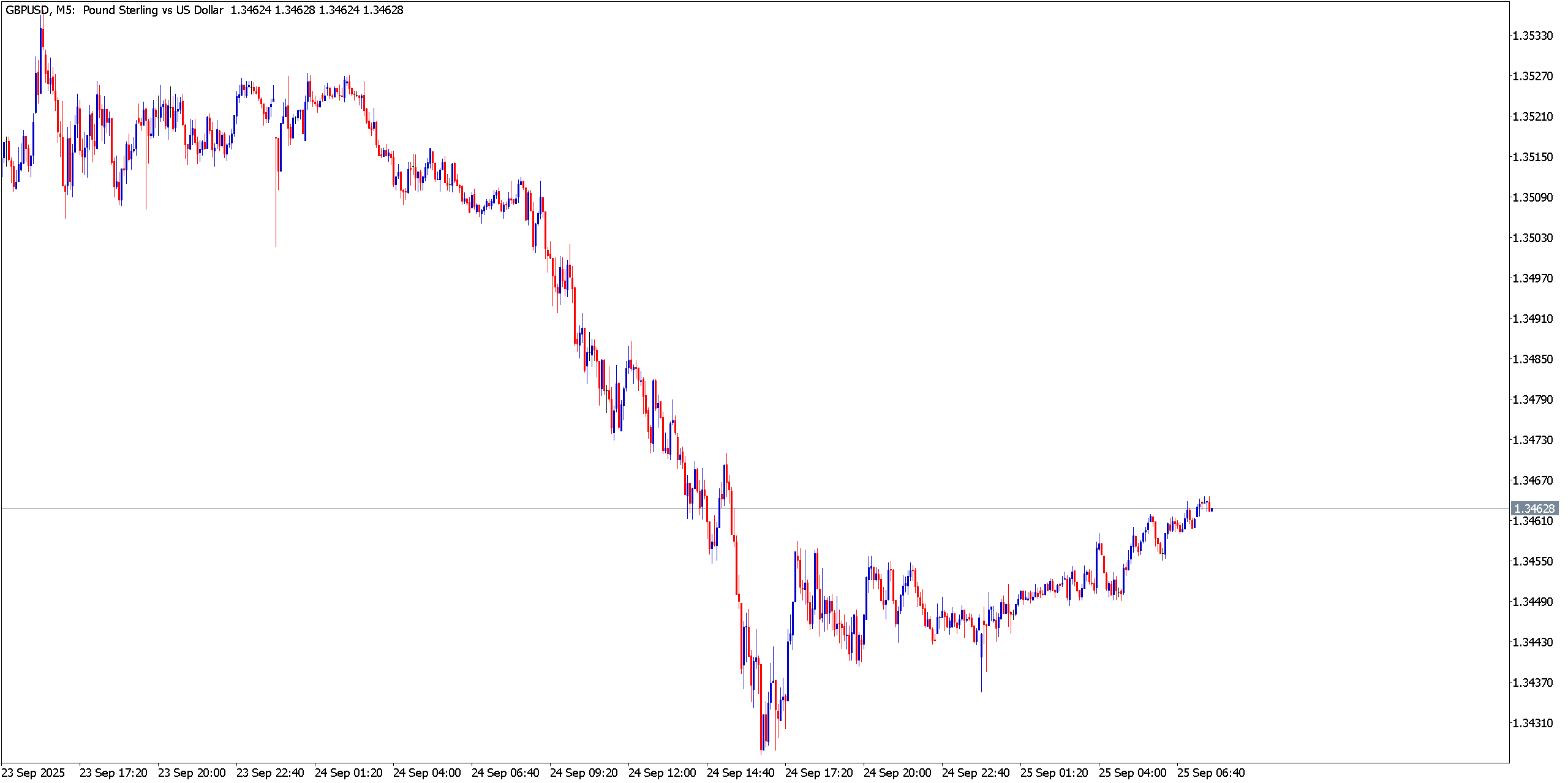
Technical Analysis
GBP/USD was one of the cleaner downside expressions of Monday’s regime shift. The pair had entered the week with some residual support from the previous ceasefire optimism, but once the oil-and-blockade narrative returned, sterling quickly lost traction. Technically, the move looked less like a routine pullback and more like a failed continuation of the prior week’s relief rally. When a pair cannot build on a strong prior rebound and instead gives way quickly at the first macro stress test, it usually tells you positioning had turned tactical rather than structural.
Fundamental Analysis
Reuters reported the pound fell 0.2% to $1.3429 as peace talks stalled and energy prices surged. The underlying reason was straightforward: the UK remains vulnerable to imported energy shocks, so a fresh jump in crude and shipping-risk anxiety is almost immediately negative for the growth-inflation balance. Reuters also noted that market expectations had shifted away from cuts and toward potential hikes later in 2026, but that did not help sterling because the signal was not one of healthy demand or resilient wages, it was one of inflation stress returning through energy. That is rarely a clean bullish mix for the pound.
USD/CAD
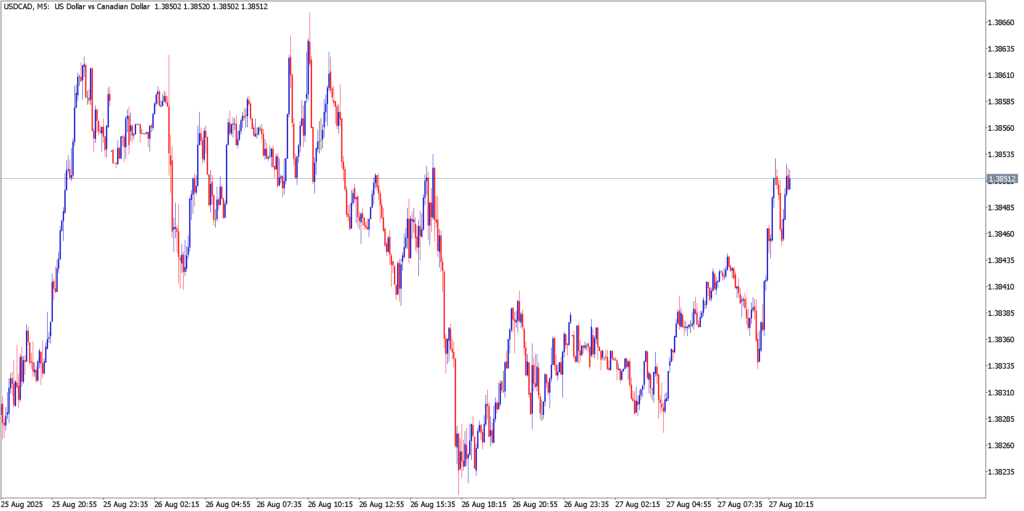
Technical Analysis
USD/CAD rose again, which was particularly revealing because oil itself was higher. Under textbook commodity logic, a big crude rally should help CAD. But when USD/CAD rises even with oil jumping, it usually means the broader dollar bid and risk-aversion channel are overriding the commodity channel. Technically, that kind of move often confirms that the pair is being driven first by macro regime and only second by its usual correlation structure. Monday fit that pattern very clearly.
Fundamental Analysis
Reuters reported that the Canadian dollar had been strong recently, but Monday’s broader backdrop made it harder for CAD to capitalize cleanly on higher crude. The loonie still had some oil support in the background, but what dominated was the return of the dollar’s haven and relative-liquidity appeal as talks faltered. This is exactly the type of session in which USD/CAD becomes a useful barometer: if the dollar can outperform even against a major energy exporter while oil is rising, then the market is telling you that geopolitical and capital-flow dynamics matter more than commodity pass-through in the moment.
EUR/USD
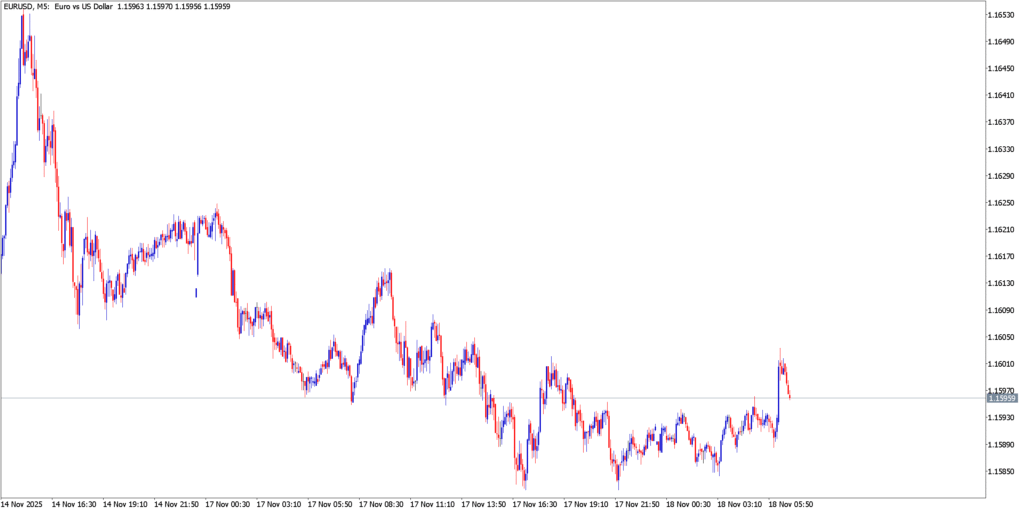
Technical Analysis
EUR/USD was pressured again, and the technical feel was familiar from late March: rallies looked limited, and the pair struggled to attract conviction once the dollar regained momentum. The euro had benefited strongly from the prior week’s ceasefire relief, but Monday’s action suggested that rebound still lacked a fully independent foundation. In chart terms, EUR/USD looked like a pair slipping back into a broader fragile range rather than one resuming a durable uptrend.
Fundamental Analysis
The euro’s fundamental problem remained the same one that had haunted it through the war-driven oil spike: Europe is more exposed to imported energy costs and shipping disruption than the United States. Even though the Reuters Apr. 14 piece would later frame the dollar as falling on renewed talk hopes, Monday’s shock made clear why EUR/USD was still vulnerable. The market had not stopped worrying about Europe’s energy-growth tradeoff; it had only paused that worry briefly the previous week. Once oil surged again, that concern returned immediately.
Market Outlook
By the close, Apr. 13 had restored a version of the stronger-dollar framework, but in a more cautious form than late March. The dollar was being bought again, yet markets were still aware that diplomacy had not vanished entirely. That left GBP/USD and EUR/USD as clean downside expressions of renewed energy stress, while USD/CAD showed that the U.S. dollar could still overpower even oil-linked currencies when geopolitical confidence deteriorated.
Discover our other forex market analysis: