


Friday closed the week with the dollar still on track for a second consecutive weekly loss. Reuters reported that easing geopolitical tensions, a 10-day Lebanon-Israel truce, and hopes for weekend U.S.-Iran talks encouraged investors to scale back safe-haven dollar positions. The dollar index steadied around 98.21, but the broader direction remained lower, while the euro and pound approached seven-week highs. This was not a perfect peace trade, oil was still near $98 Brent, well above pre-war levels, but the market was clearly saying that the probability of full-scale escalation had fallen enough to keep selling dollars into rallies.
Importantly, Reuters also noted that inflation risks from the war had not vanished and that central banks remained cautious. That kept the move from becoming a simple “cuts are back” trade. Instead, the market seemed to be settling on a more balanced conclusion: the war premium in the dollar had faded meaningfully, but the world had not fully returned to normal. This is exactly the sort of backdrop where the dollar can remain soft without collapsing.
EUR/USD
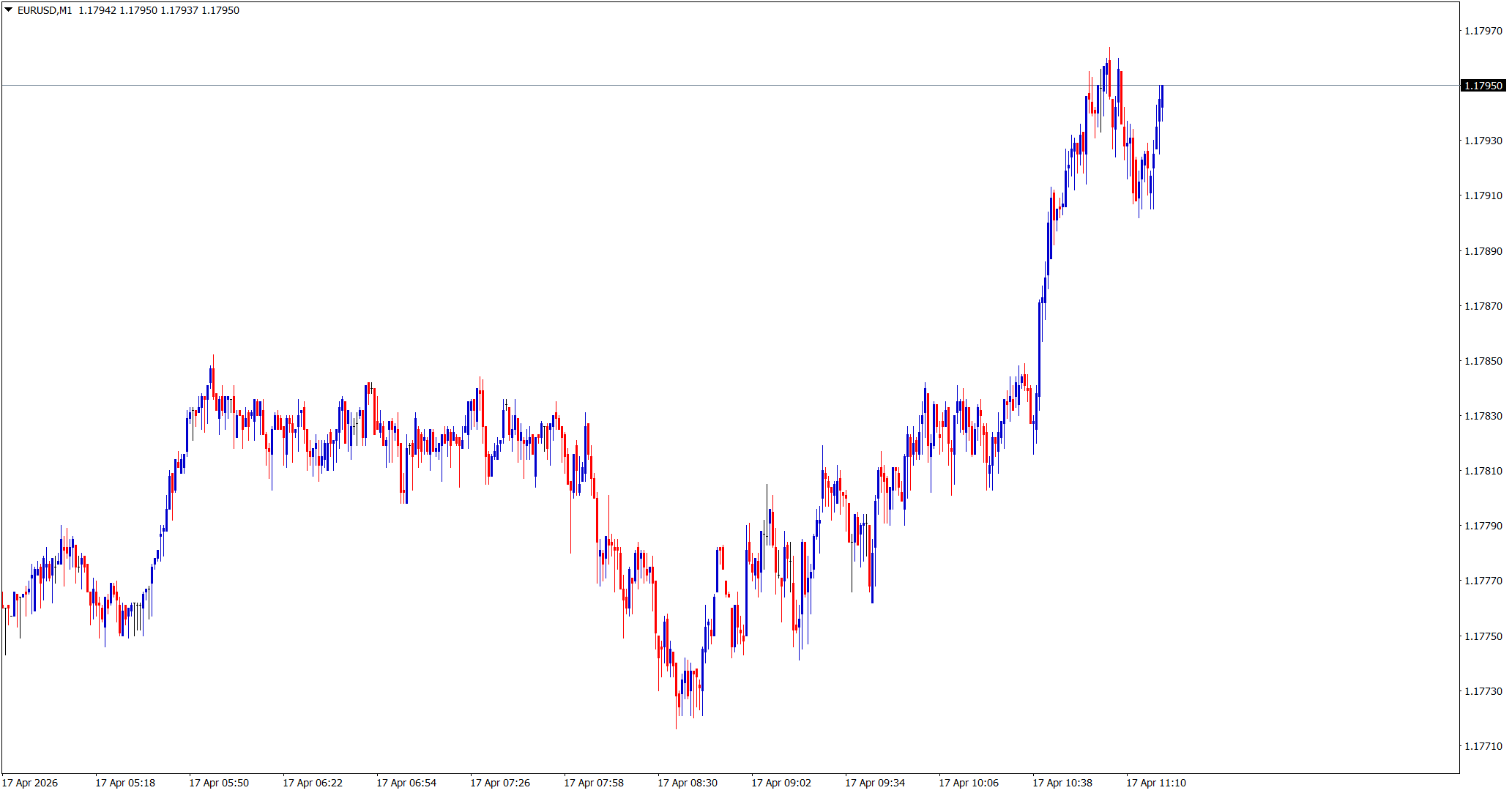
Technical Analysis
EUR/USD stayed near seven-week highs, which matters because Friday did not produce a major breakout, it produced retention of prior gains. That is often more important. When a pair can stay elevated into the weekend after a multi-day advance, it suggests the market is comfortable carrying exposure rather than rushing to take profit. Technically, the euro had moved from relief rally into a more durable-looking higher range.
Fundamental Analysis
Reuters reported the euro extended gains as the dollar’s haven premium continued to erode. The euro benefited from lower immediate energy stress and from improving global risk tone, even though the broader inflation environment remained uncertain. The key point is that Europe no longer looked like the uniquely vulnerable side of the FX equation it had appeared to be during the height of the oil panic. That alone was enough to keep EUR/USD supported near its best levels in weeks.
GBP/USD
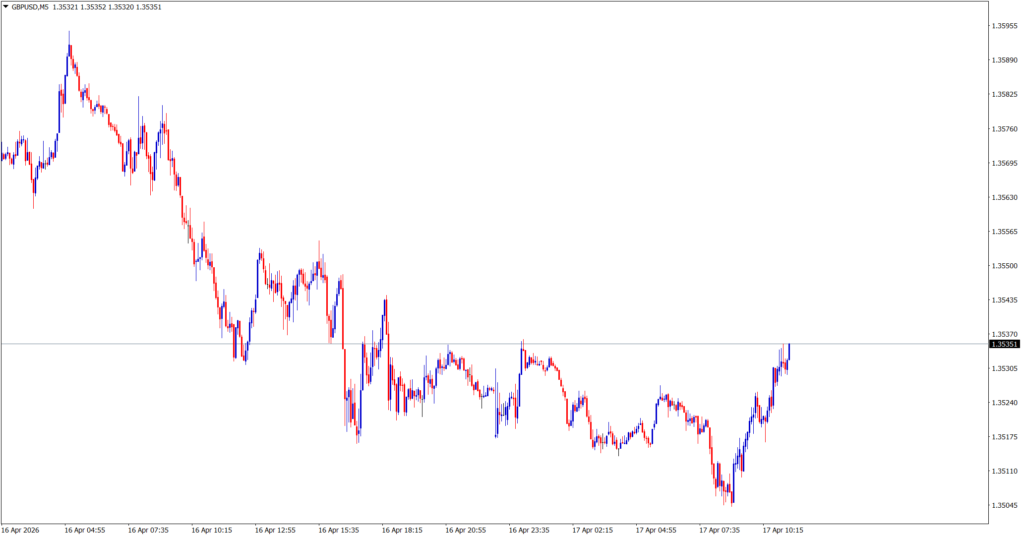
Technical Analysis
Sterling also stayed firm and near seven-week highs. After several days of gains, Friday’s action looked more like consolidation at strength than extension or exhaustion. Technically, that is a constructive weekly close because it implies the market did not see the move as overdone enough to fade aggressively before the weekend talks.
Fundamental Analysis
The pound’s resilience makes sense in context. Reuters reported sterling extended gains as the broader dollar weakened, while separate UK coverage earlier in the week showed stronger February GDP and a market still expecting some BoE tightening later in 2026. Even if the UK growth outlook remained vulnerable to energy aftershocks, the immediate macro threat had eased enough for sterling to recover its earlier war losses. GBP/USD therefore remained one of the cleaner “less fear, less dollar” expressions on Friday.
USD/JPY
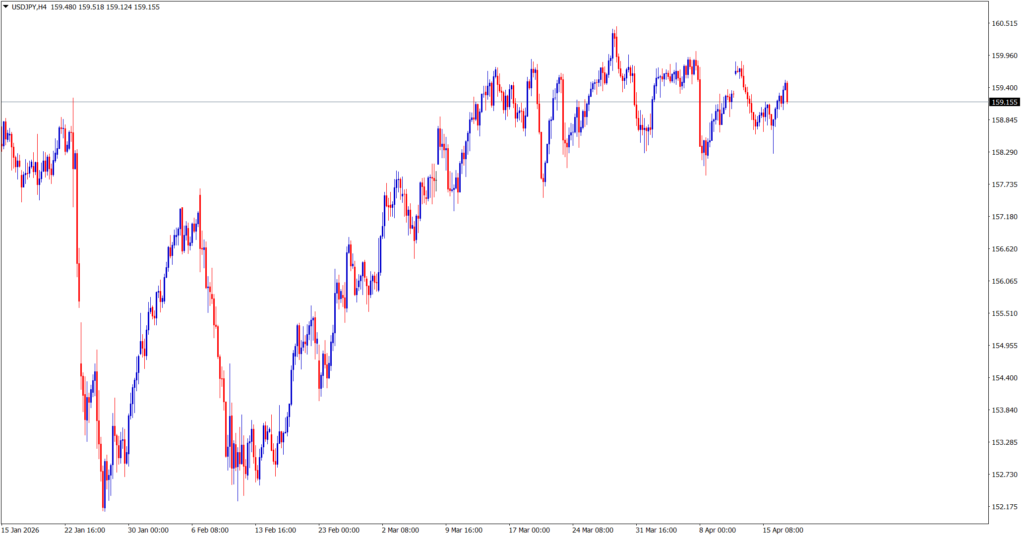
Technical Analysis
USD/JPY remained softer relative to where it had traded in early April, but it still lagged the anti-dollar performance of EUR/USD and GBP/USD. This relative lag is important. It tells you that even as the dollar weakened broadly, the yen was not the market’s strongest preferred alternative. Technically, the pair was participating in the broader weekly decline, but doing so in a more restrained fashion.
Fundamental Analysis
Reuters explicitly noted that while the dollar was broadly weaker on the week, persistent oil-driven inflation concerns and a strong labor backdrop were still keeping U.S. yields steady, while Japan continued to suffer from low-rate and energy-import constraints. That left the yen at a disadvantage relative to the euro and pound in this phase of the unwind. So even though the dollar was set for a weekly loss, USD/JPY did not collapse the way one might expect in a pure anti-dollar environment. This is a recurring theme in 2026: a weaker dollar does not automatically mean a strong yen if Japan’s own macro structure remains compromised.
Market Outlook
The week ended with a much clearer hierarchy than it had begun with. The dollar lost further ground because peace hopes continued to outweigh residual inflation fear, but the move was measured rather than chaotic. EUR/USD and GBP/USD emerged as the cleaner beneficiaries because they had the most to gain from lower immediate energy stress, while USD/JPY reminded traders that anti-dollar weeks can still produce uneven results across major pairs. The next decisive move would likely depend on whether the weekend U.S.-Iran talks produced something tangible enough to keep oil below $100 and the dollar under pressure.
Discover our other forex market analysis: