


Tuesday reversed Monday’s dollar recovery more decisively than many would have expected. Reuters reported that the U.S. dollar declined for a seventh straight day as optimism returned around possible U.S.-Iran talks in Pakistan and March PPI came in weaker than forecast, with only a 0.5% rise versus the 1.1% consensus. Oil fell sharply, with U.S. crude down more than 7%, and the market began stripping out part of the inflation fear that had come roaring back only a day earlier. That combination, renewed diplomacy plus softer U.S. inflation input data, is one of the cleanest recipes for a broad anti-dollar session.
What made Tuesday more important than a simple headline reversal was the nature of the inputs. If Monday had reminded the market how quickly the oil shock could return, Tuesday reminded it that the dollar’s support was still conditional. Once the fear of a sustained supply disruption eased and the PPI print undercut the urgency of the inflation narrative, the greenback lost two pillars at once: haven demand and some of its “higher-for-longer” support.
EUR/USD
Technical Analysis
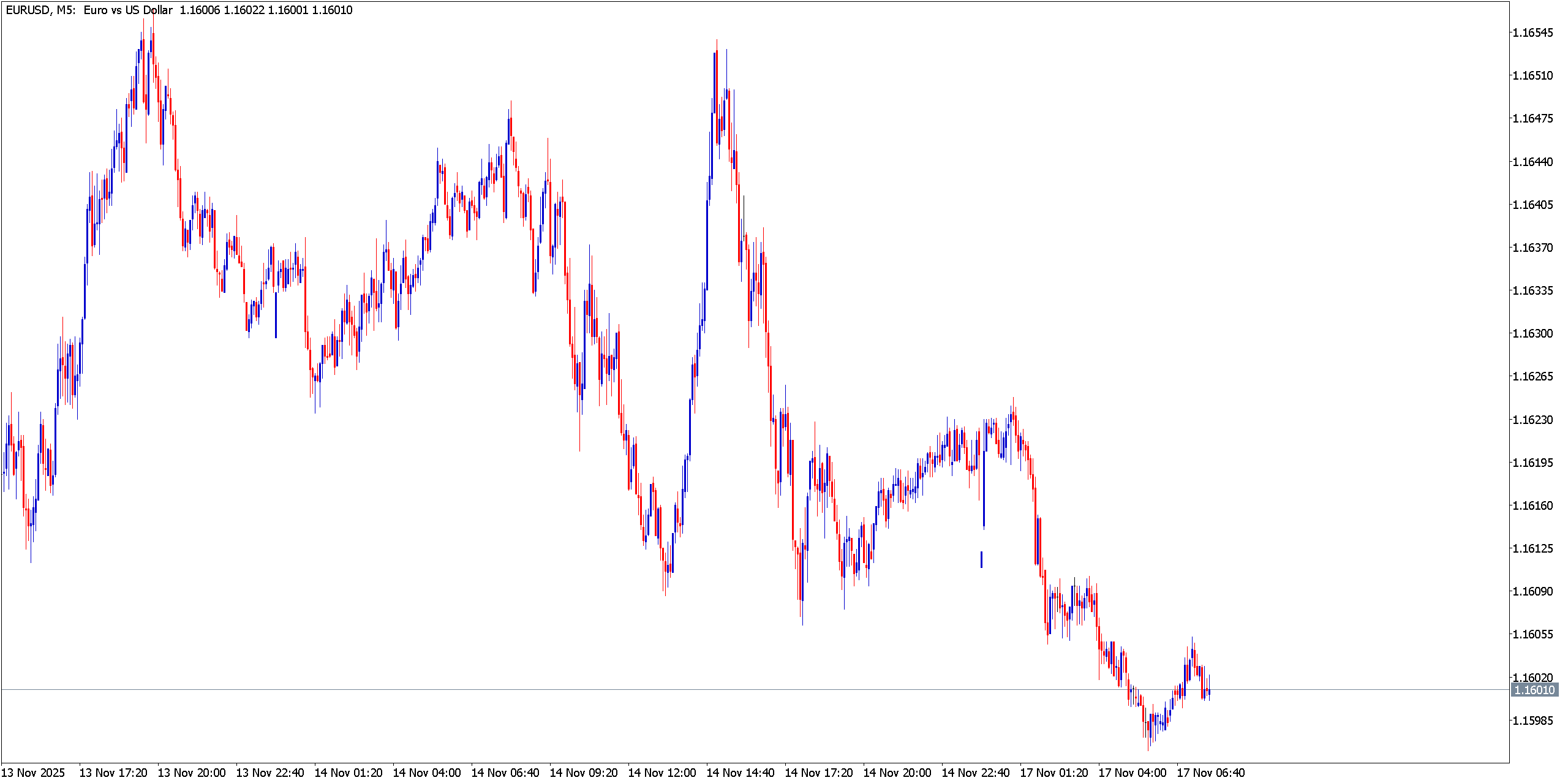
EUR/USD benefited quickly and traded like a pair reclaiming lost territory rather than merely bouncing mechanically. The euro had remained structurally vulnerable on Monday, but Tuesday’s macro reversal was strong enough to let the pair step back toward the upper end of its recent range. Technically, this mattered because it interrupted the idea that Monday had restarted a clean bearish trend. Instead, EUR/USD reverted to behaving like a range-bound pair whose direction was still being set by war headlines and oil more than by domestic eurozone catalysts.
Fundamental Analysis
Reuters reported that the dollar index slipped to 98.08, its weakest since early March, while euro and sterling gained. The euro benefited because the exact risk that had hurt it on Monday, another leg higher in oil and energy stress, suddenly looked less immediate. Softer U.S. PPI also mattered because it reopened the conversation about whether U.S. inflation pressures might not accelerate as badly as feared even with geopolitical noise still in the background. For EUR/USD, that made the day fundamentally about relative improvement in the euro’s energy outlook and relative deterioration in the dollar’s inflation support.
USD/JPY
Technical Analysis
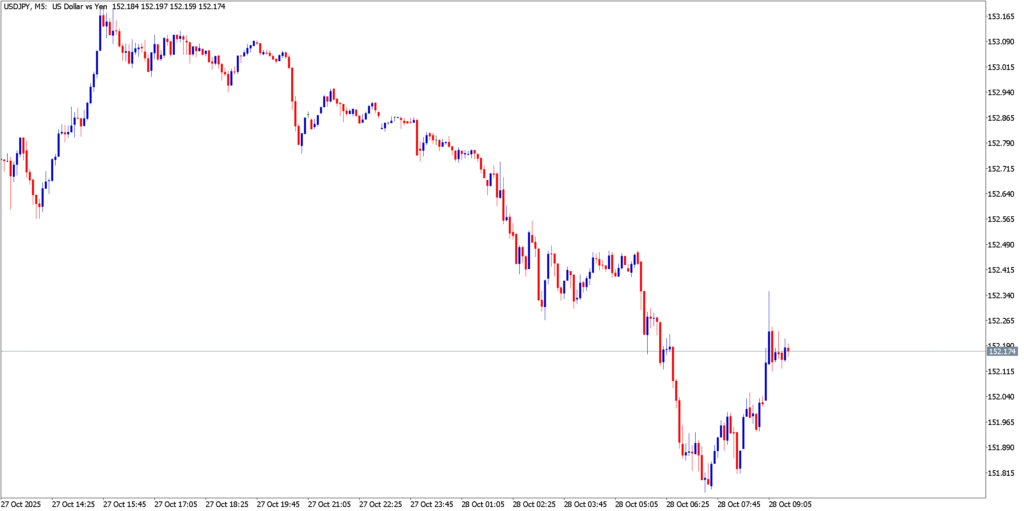
USD/JPY softened, and the pair’s behavior was particularly instructive because it showed that dollar weakness was broad enough to overcome some of the yen’s own structural disadvantages. The yen had been fragile through much of the war period because of Japan’s energy import dependence and low-rate backdrop, so when USD/JPY falls in a session like this, it usually reflects a genuinely meaningful loss of momentum in the dollar rather than just local JPY strength. Technically, the move looked more like a proper unwind than a hesitant drift.
Fundamental Analysis
Reuters explicitly said the yen strengthened on Apr. 14 as the dollar fell and markets reacted positively to revived talk hopes. This was less a story about Japan becoming suddenly attractive and more a story about the U.S. dollar no longer deserving the same premium. The distinction matters. USD/JPY can fall substantially even when the yen’s own backdrop is not great, provided the dollar side of the pair loses enough support through falling oil, softer inflation expectations, or less urgent haven demand. Tuesday delivered exactly that mix.
USD/CHF
Technical Analysis
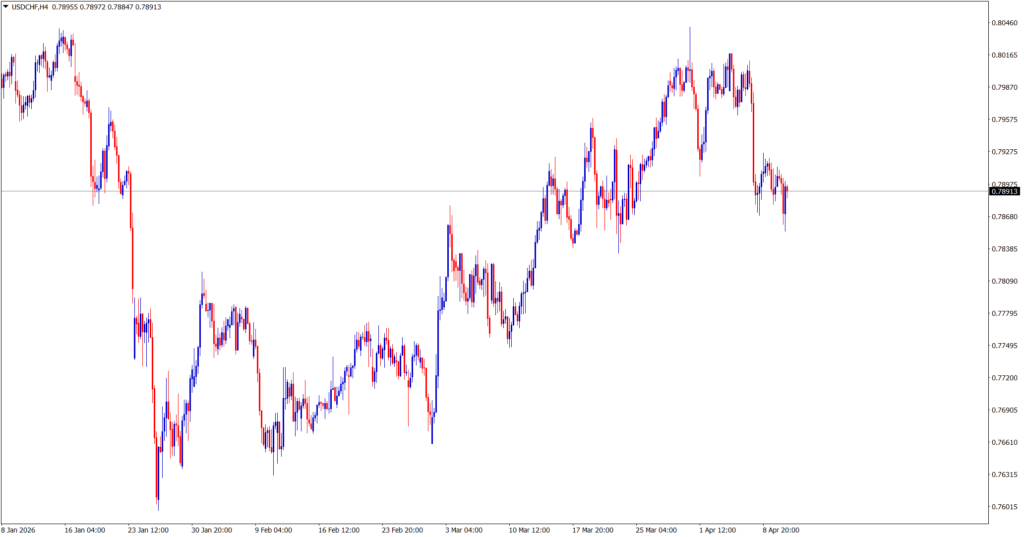
USD/CHF was another clean barometer of the day because it strips away some of the commodity and regional-growth noise present in pairs like USD/CAD or EUR/USD. When the dollar weakens against the franc during an easing geopolitical session, it usually means the market is genuinely reallocating away from the greenback as the preferred haven. That is precisely the sort of technical behavior traders watch for to confirm that an anti-dollar move is not just about one or two cyclical pairs.
Fundamental Analysis
Reuters’ Apr. 14 forex summary framed the move as broad-based dollar weakness tied to talk optimism and lower inflation pressure. In that environment, the Swiss franc’s role as a credible alternative haven becomes more important. USD/CHF therefore became one of the best pair expressions of the day’s core shift: the market no longer felt it had to hide in dollars simply because the Middle East remained unstable. It could diversify that caution into other haven currencies once the probability of extreme escalation fell.
Market Outlook
Tuesday restored the anti-dollar narrative, but with a more robust foundation than some of the earlier ceasefire rallies. It was no longer just about hope; it was also about softer U.S. inflation input data and lower oil. That left EUR/USD and USD/JPY as clear beneficiaries of the shift, while USD/CHF confirmed that haven preference itself was being rebalanced away from the greenback.
Discover our other forex market analysis: