


Wednesday was not as dramatic as Tuesday, but it may have been just as important. Reuters reported that the dollar had shed the bulk of its Iran-war premium, yet few expected a much sharper drop from there because strong U.S. asset demand, fading expectations of aggressive Fed cuts, and continued geopolitical uncertainty were likely to keep the greenback broadly supported. This is exactly the type of session where the market transitions from repricing to reassessment. The easy war-premium unwind had largely happened. The harder question was whether the dollar should now keep weakening or simply stabilize.
That shift in the conversation matters because FX trends rarely move in a straight line once the major catalyst has already been revalued. By Wednesday, the market had moved from “take out the panic premium” to “decide whether the dollar deserves to trade materially below pre-war levels.” Reuters’ analysis suggested skepticism on that point, and the session’s pair behavior broadly reflected it.
USD/CAD
Technical Analysis
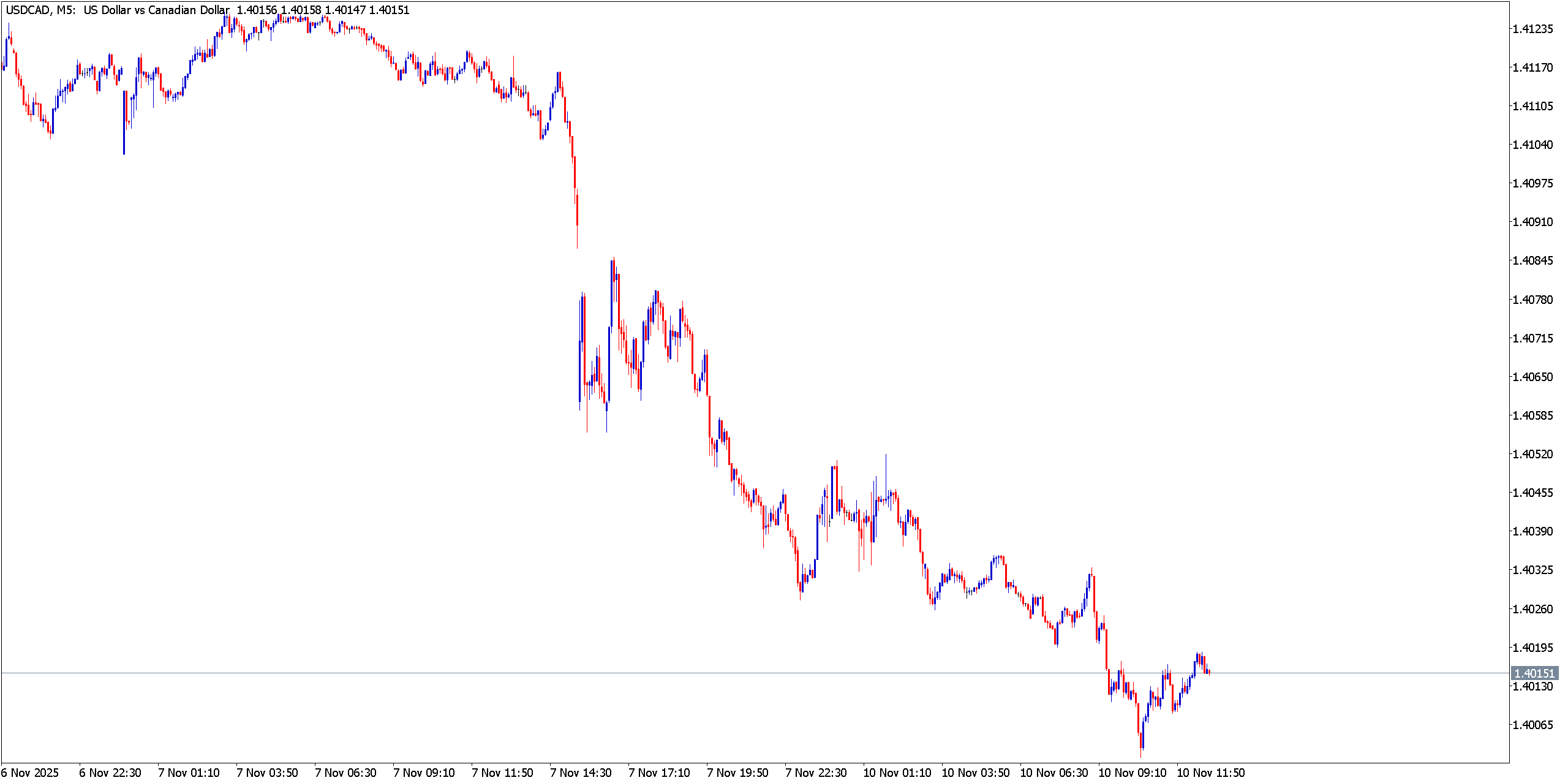
USD/CAD was one of the more telling pairs because it continued moving lower into a three-week high for the loonie, yet without the sort of panic intensity seen in the prior week’s dollar washout. Reuters reported the Canadian dollar strengthened to 1.3727 per U.S. dollar. Technically, that is still a meaningful move, but it had the feel of a trend maturing rather than accelerating. This often happens when a pair has already repriced a large macro swing and then enters a more selective phase where fresh downside requires stronger confirmation.
Fundamental Analysis
Reuters reported that the loonie benefited from improved global risk sentiment, solid February factory and wholesale sales, and the fading of the U.S. dollar’s war premium. That combination made USD/CAD a cleaner anti-dollar pair than many others on the day because it had some domestic Canadian support rather than relying entirely on dollar weakness. Still, the broader Reuters analysis on the dollar argued that U.S. asset demand remained strong and that a sharper greenback decline might be hard to sustain. So even while USD/CAD fell, the fundamental backdrop suggested the move might become less one-way than earlier in the week.
GBP/USD
Technical Analysis
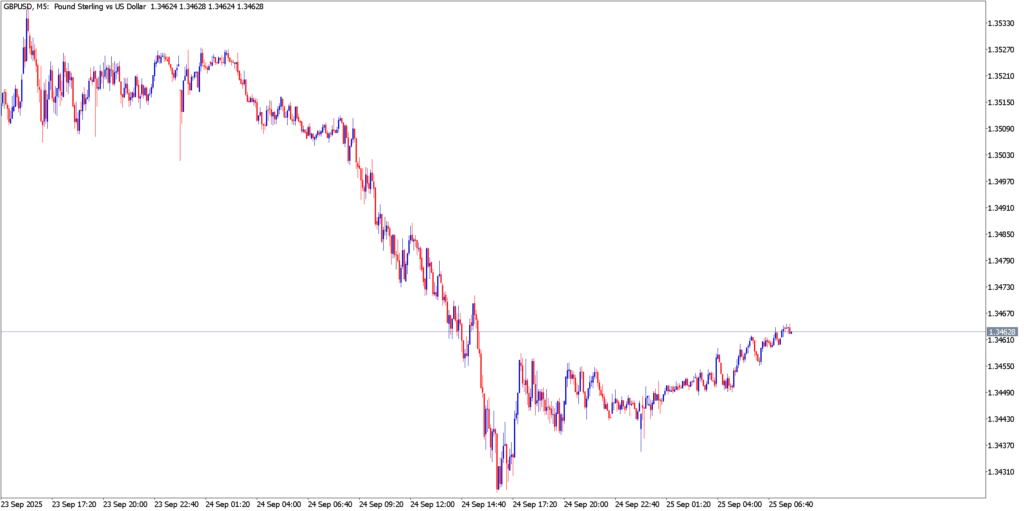
Sterling steadied, but its tone was more measured than explosive. Reuters described the pound as steady after a strong seven-day rally. That is important technically because it suggests the pair was consolidating gains rather than extending them impulsively. Such behavior is often healthy after a sharp move, but it also hints that much of the easy upside has already been captured and that the pair may now need stronger UK-specific reasons to keep climbing.
Fundamental Analysis
Reuters’ sterling coverage stressed that the UK now faced one of the sharpest 2026 growth downgrades in the G7 due to the war’s effect on energy prices, and that gilt yields had surged as inflation concerns rose. This is a key nuance. Sterling had benefited from lower immediate war stress, but the UK’s medium-term macro fallout still looked worse than ideal. So GBP/USD on Apr. 15 was supported by the weaker dollar but constrained by domestic fragility. That is why the pair steadied rather than extending cleanly into another large upside leg.
EUR/USD
Technical Analysis
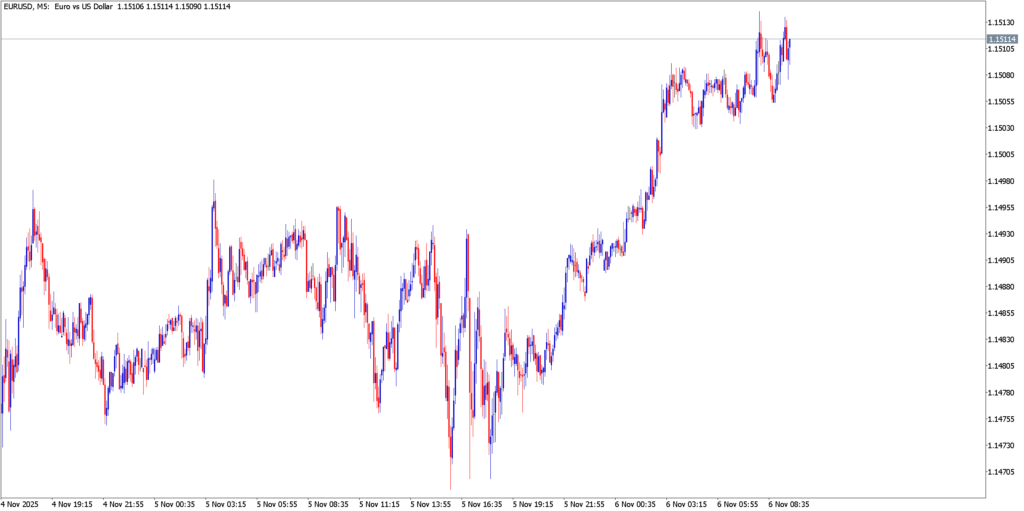
EUR/USD remained firm, but the move also looked more like maintenance of prior gains than fresh trend acceleration. The euro had already done much of its repricing when the ceasefire and talk hopes first arrived. By Wednesday, its ability to stay elevated mattered more than whether it could add another large figure. In technical terms, EUR/USD was behaving like a pair trying to convert a relief rally into a higher base rather than trying to launch immediately into a new trend.
Fundamental Analysis
Reuters’ broader analysis on the dollar implied that while the war premium had mostly come out, the euro might still struggle to drive the next leg on its own because U.S. yields and asset demand remained supportive for the dollar. That left EUR/USD in a more nuanced place than it had been earlier in the week. The euro was no longer fighting a severe oil panic, but neither was it facing a broad collapse in U.S. macro credibility. As a result, the pair’s fundamentals looked more consistent with range trade than with a straight-line bullish extension.
Market Outlook
Wednesday was the point where the easy anti-dollar trade began to run into resistance. The dollar had lost most of its war premium, but not enough had changed in U.S. rates or asset demand to justify a much deeper slide automatically. That left USD/CAD as a relatively clean pair because Canada had some local support, while GBP/USD and EUR/USD entered a more selective consolidation phase.
Discover our other forex market analysis: