


Thursday was the week’s first meaningful pro-dollar session after a long losing streak, but it was a modest rebound rather than a decisive regime reversal. Reuters reported that the dollar rose 0.2% on the index, supported by lower U.S. jobless claims and a degree of technical buying after its recent slide. Yet Reuters also made clear that the recovery was capped by ongoing optimism about a possible U.S.-Iran peace arrangement and by continued market relief around the Israel-Lebanon ceasefire. In other words, the dollar bounced, but the macro backdrop still prevented it from reclaiming its old dominance.
This kind of session is typical after a stretched move. Once the market has spent days selling the dollar, even modestly supportive U.S. data can trigger a rebound. But the larger question is whether that rebound changes the weekly narrative. Reuters’ reporting strongly suggests it did not. The move was technical first and strategic second.
USD/JPY
Technical Analysis
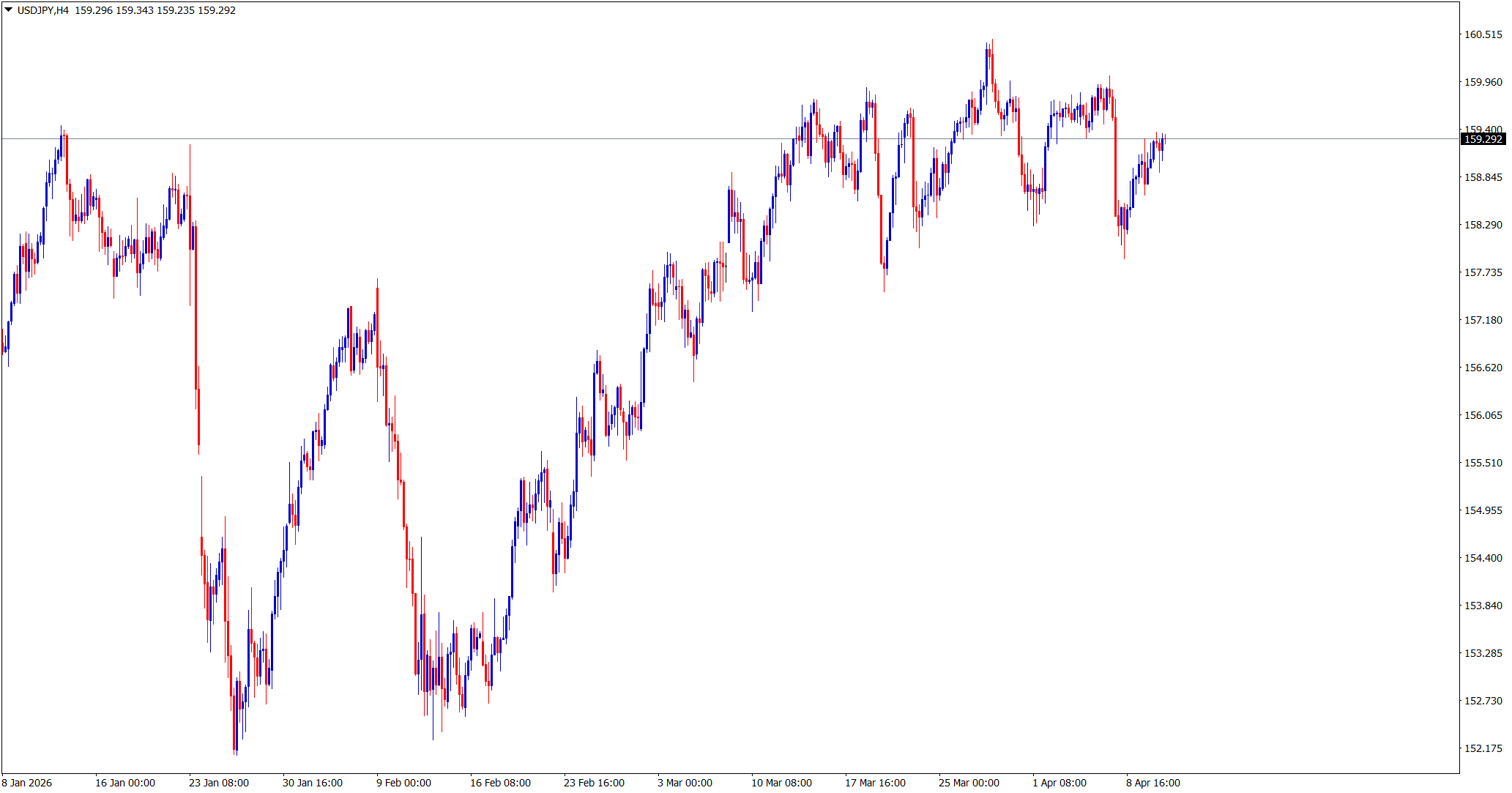
USD/JPY was one of the cleaner pro-dollar pairs on Thursday. Reuters reported the dollar rose 0.2% against the yen following stronger U.S. claims data and enhanced communication between U.S. and Japanese officials on exchange-rate matters. Technically, the pair looked like it had found a floor after earlier weakness and was now retracing into a market where the yen’s own vulnerabilities still mattered. That usually produces a more convincing rebound than in euro or sterling pairs because USD/JPY does not need a fully strong dollar, it often only needs a less weak one.
Fundamental Analysis
The pair’s rebound made macro sense. The yen still faced the same structural issues of low rates and energy vulnerability, while U.S. claims data gave the dollar a cyclical boost. Reuters also noted the ongoing fragility of the ceasefire and the uncertainty around the timing of U.S.-Iran talks, which meant investors were not fully comfortable abandoning the dollar. USD/JPY therefore became a natural candidate for technical rebound, especially because the yen had fewer obvious domestic catalysts to offset even a moderate improvement in the greenback.
GBP/USD
Technical Analysis
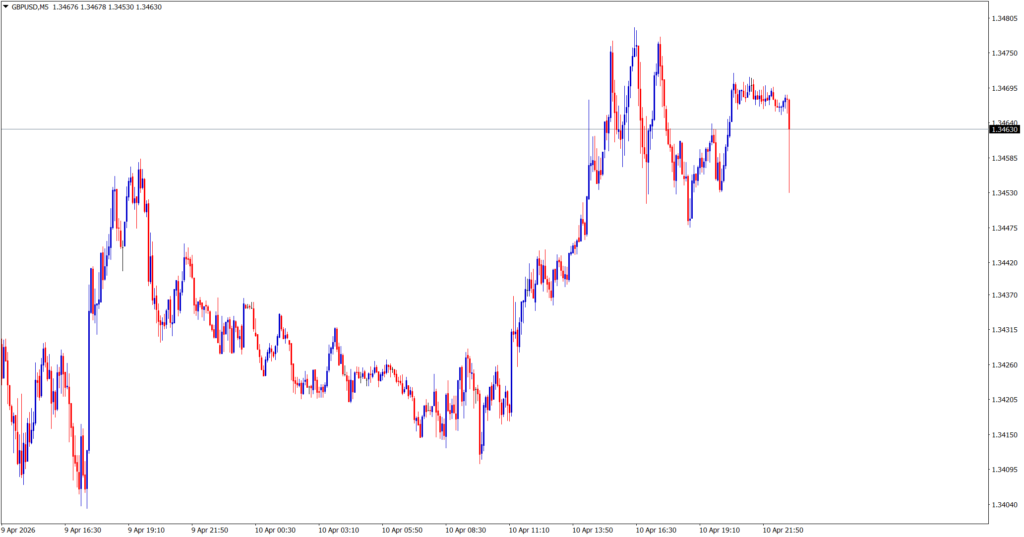
GBP/USD eased modestly, but the pullback did not look destructive. Reuters reported sterling slipped 0.2% to $1.3534. That kind of move after a multi-day rally often reflects normal exhaustion rather than the start of a new bearish phase. Technically, the key point was that the pair gave back only a modest amount despite a firmer dollar, which suggests the prior rally still had some legitimacy.
Fundamental Analysis
The fundamental picture for sterling was unusually mixed. Reuters reported UK growth in February rose 0.5%, well above expectations, which on its own should have been supportive. But Reuters also stressed that the stronger pre-war data likely would not carry forward cleanly because the energy shock had already damaged the outlook. In other words, GBP/USD was caught between good backward-looking domestic data and a stronger dollar rebound, with peace hopes preventing a deeper sterling selloff. That left the pair softer on the day, but not structurally broken.
USD/CAD
Technical Analysis
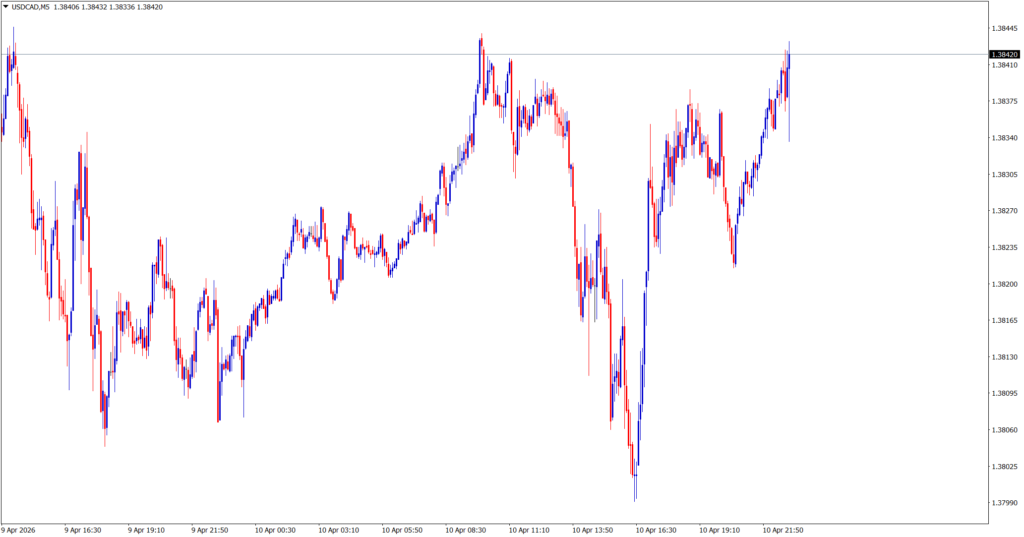
USD/CAD continued lower even on a firmer-dollar day, which is always notable. Reuters reported the Canadian dollar hit a three-week high at 1.3703 per U.S. dollar. Technically, that tells you CAD had enough independent support to ignore a mild dollar rebound. In pair-trading terms, that is often a sign of relative strength rather than just broad-dollar weakness.
Fundamental Analysis
Reuters said the loonie benefited from rising hopes for Middle East peace, stronger risk appetite, oil up 2.4% to $93.52, and interest in Canadian LNG from European buyers. This is a much better local backdrop than the pound or yen had. So while the dollar did bounce broadly, USD/CAD still fell because CAD had both cyclical and structural support. This made it one of the more interesting divergences of the day: the dollar could rebound in index terms while still losing to a commodity exporter that stood to benefit from the post-war energy reordering.
Market Outlook
Thursday showed that the dollar was capable of bouncing, but also that not all pairs would respond equally. USD/JPY was a natural rebound vehicle because yen weakness persisted, while GBP/USD merely softened and USD/CAD kept falling because Canada had a stronger local story. The message was clear: the broad anti-dollar move was tired enough for a technical recovery, but not yet invalidated at the weekly level.
Discover our other forex market analysis: