


Thursday delivered the reversal that markets had been waiting for. After several sessions where the dollar benefited from inflation fears, higher yields, and uncertainty around Iran, the tone shifted when reports emerged that the U.S. and Iran had agreed to extend their ceasefire for 60 days, pending approval from President Donald Trump.
The macro impact was immediate. Oil prices declined, Treasury yields fell, and the dollar index slipped by 0.2%. Reuters’ market wrap described the day as one where stocks strengthened, Treasury yields fell as much as 3 basis points, oil hit a six-week low, and gold rose by about 1%. FX markets also reflected the change: the dollar weakened, pulling USD/JPY further back from the 160 level.
This was not just a relief rally. It was a direct reversal of the previous inflation-risk trade. For much of May, the Iran war and Strait of Hormuz disruptions had lifted oil prices and inflation expectations, encouraging markets to price higher yields and a stronger dollar. On Thursday, the ceasefire extension reduced that pressure, giving investors room to unwind some dollar longs and rebuild exposure to non-dollar assets.
At the same time, U.S. PCE inflation came in at 3.8% year-over-year in April, suggesting inflation remained persistent but broadly in line with expectations. That helped reduce the urgency for additional Fed hawkishness, especially as oil prices were easing.
EUR/USD
Technical Analysis
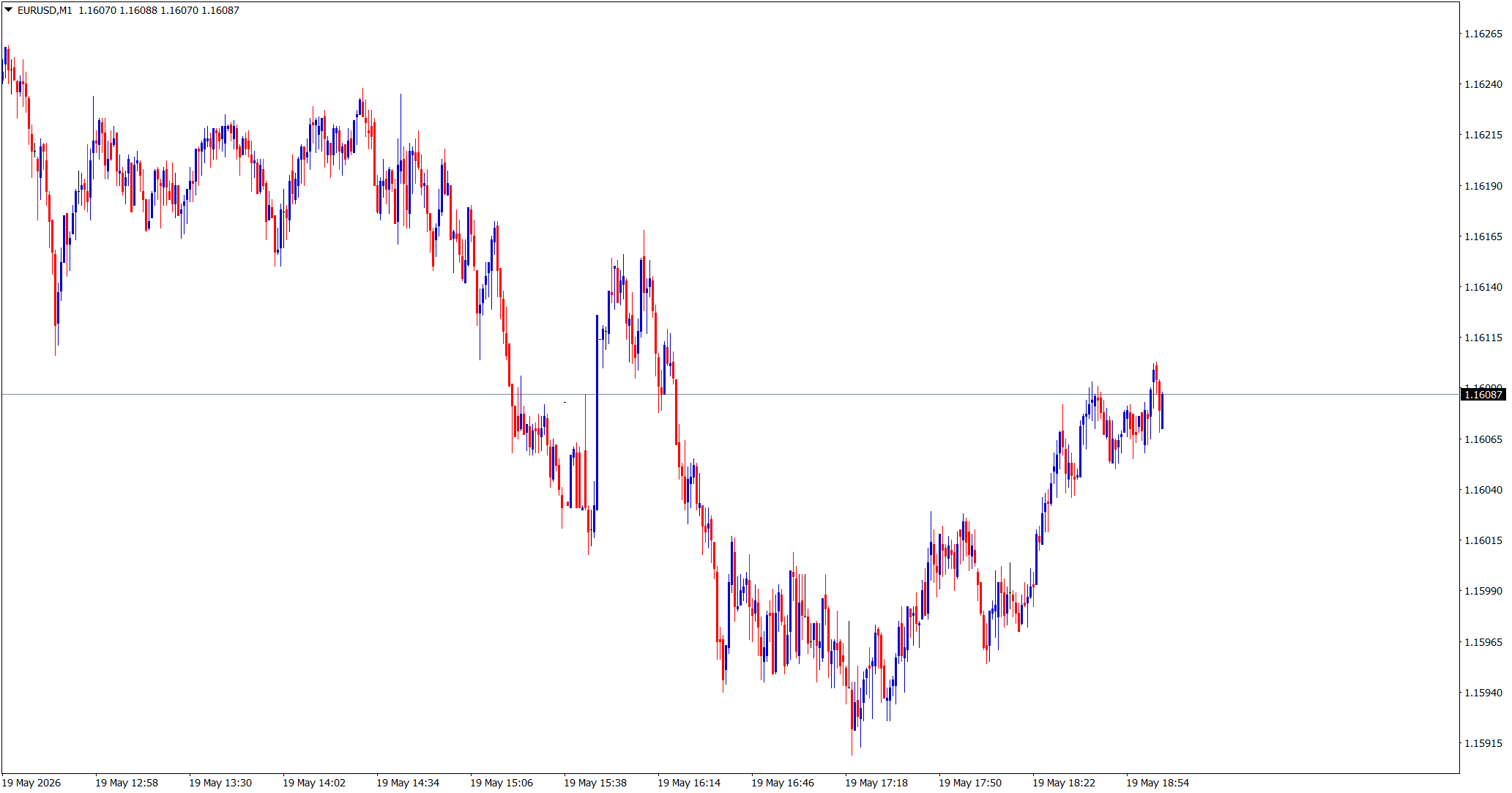
EUR/USD firmed as the dollar weakened, recovering some of the ground lost earlier in the week. The pair did not produce an explosive breakout, but price action turned constructive again as buyers returned near support.
Technically, the euro’s recovery suggests that the May 26–27 dollar rebound may have been more corrective than structural. The pair’s ability to stabilize and move higher after PCE and ceasefire headlines indicates that sellers were not strong enough to sustain a deeper breakdown.
The short-term structure improved, though EUR/USD still needed a clear break above recent resistance to confirm a stronger bullish extension.
Fundamental Analysis
The euro benefited from two important macro shifts.
First, the ceasefire extension reduced pressure on oil prices, which is positive for Europe because the eurozone is highly sensitive to imported energy costs. Lower oil reduces inflation risk, improves the growth outlook, and weakens the argument that the U.S. should maintain a larger policy advantage because of inflation concerns.
Second, the dollar lost support as yields fell. Reuters noted that Treasury yields declined and the dollar slipped by 0.2% as ceasefire optimism improved sentiment.
For EUR/USD, this combination was clearly supportive. The euro did not need strong eurozone data to rise; it simply needed the dollar’s inflation-and-yield advantage to weaken.
USD/JPY
Technical Analysis
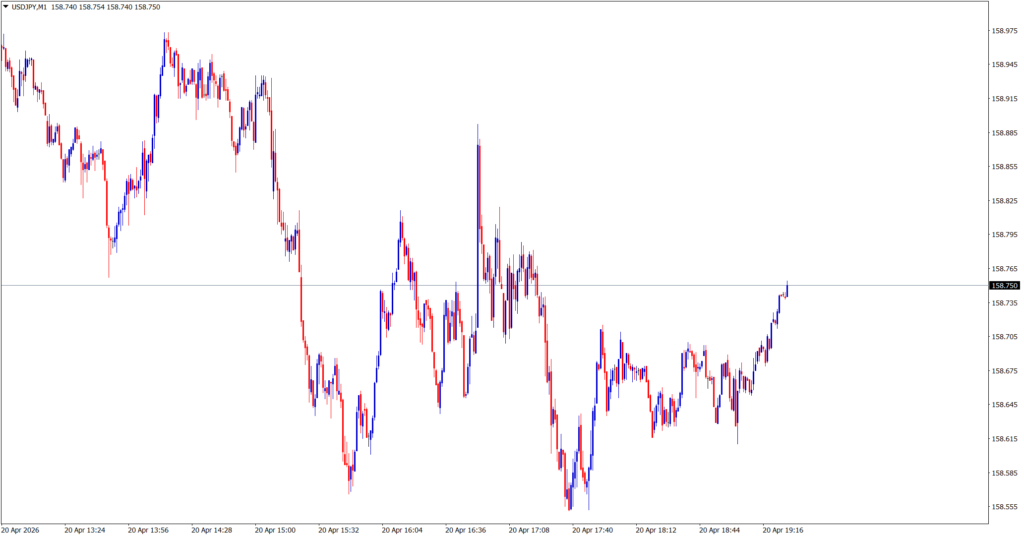
USD/JPY retreated as the dollar softened and yields declined. The pair pulled further away from the 160 level, which has repeatedly acted as both a psychological and policy-sensitive barrier.
Technically, the move reinforced the idea that USD/JPY’s upside remains heavily dependent on U.S. yields. When yields fall, buyers become much less confident chasing the pair higher, especially near levels that could invite Japanese official warnings.
The pair’s retreat was controlled rather than dramatic, but it weakened the short-term bullish case built earlier in the week.
Fundamental Analysis
The yen benefited from the fall in U.S. yields and the reduction in oil-linked inflation fears. Lower Treasury yields narrow the relative advantage of the dollar, while lower oil eases pressure on Japan’s import bill.
Reuters’ market wrap specifically noted that the weaker dollar pulled USD/JPY further back from the 160 level.
This is important because USD/JPY had been one of the clearest beneficiaries of the yield spike earlier in May. The ceasefire extension reversed part of that logic. If oil stays lower and yields continue easing, the pair could remain under pressure even if the broader long-term carry structure still favors the dollar.
XAU/USD
Technical Analysis
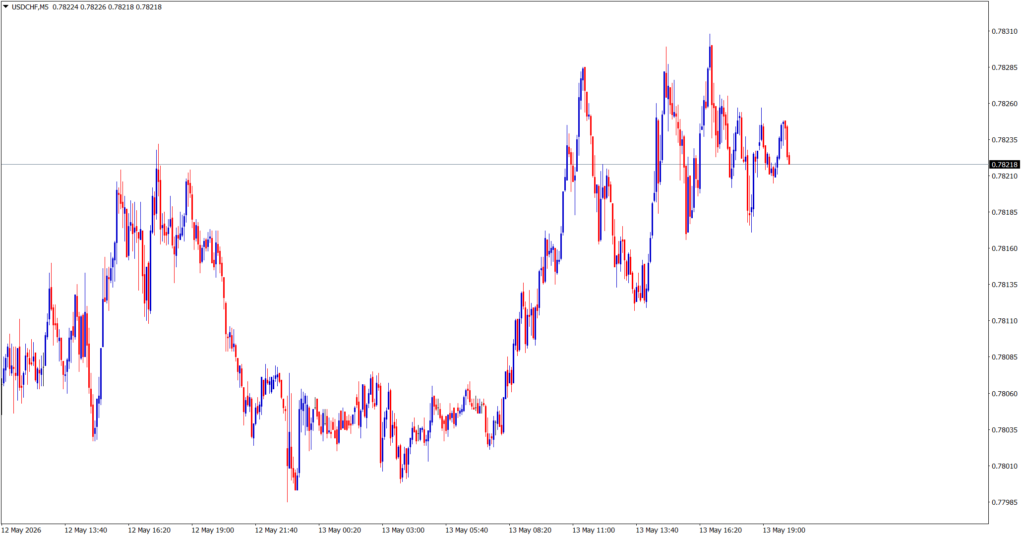
Gold rebounded sharply after hitting a two-month low earlier in the session. Spot gold rose 1.1% to $4,504.07 per ounce, while U.S. gold futures settled at $4,532.40.
Technically, this was an important reversal. After breaking lower on May 27, gold found support and recovered strongly, suggesting that sellers may have overextended the move into the PCE and ceasefire headlines. The rebound did not fully repair the broader short-term damage, but it showed that buyers were still willing to step in near major support zones.
This kind of reversal often signals that gold may be approaching a turning point if yields and the dollar continue easing.
Fundamental Analysis
Gold benefited from several supportive forces.
First, the dollar weakened, making gold more attractive to non-U.S. buyers. Second, Treasury yields fell, reducing the opportunity cost of holding the metal. Third, the PCE report showed inflation was persistent but not shocking enough to force immediate additional Fed hawkishness.
The ceasefire extension added another layer. Normally, reduced geopolitical risk can hurt gold. But in this case, de-escalation lowered oil prices and reduced inflation-driven rate-hike fears, which helped gold more than the loss of safe-haven demand hurt it.
That made Thursday’s gold rally especially important: XAU/USD was no longer just reacting to war risk. It was reacting to the market’s reassessment of inflation, yields, and Fed policy.
Market Outlook
May 28 shifted the weekly narrative. The dollar’s earlier strength was built on higher yields and inflation fears from the Iran war. The ceasefire extension weakened both pillars.
If the deal receives final approval and the Strait of Hormuz reopening becomes credible, oil could remain under pressure, yields may stabilize or fall, and the dollar could give back more of its recent gains.
For now:
- EUR/USD has regained support.
- USD/JPY is retreating from 160.
- XAU/USD has staged an important technical rebound.
- The dollar’s yield-driven rally has lost momentum.
The next question is whether the ceasefire extension becomes a durable macro reset or merely another temporary pause in a still-fragile geopolitical environment.