


Monday delivered one of the most significant geopolitical developments of the year after President Donald Trump announced that the United States and Iran had signed a memorandum of understanding aimed at ending the conflict and reopening the Strait of Hormuz. The agreement extended the existing ceasefire and initiated a 60-day negotiation period toward a permanent settlement.
Financial markets responded immediately.
Wall Street surged, with the Nasdaq posting its strongest one-day gain since March, while oil prices collapsed to three-month lows as traders priced in the return of normal shipping activity through Hormuz.
The sharp drop in oil was particularly important because it reduced inflation fears that had supported Treasury yields and the dollar throughout May and early June. With energy markets suddenly looking much less threatening, investors began rebuilding risk positions and reducing defensive dollar exposure.
The result was broad-based dollar weakness across major currency markets.
EUR/USD
Technical Analysis
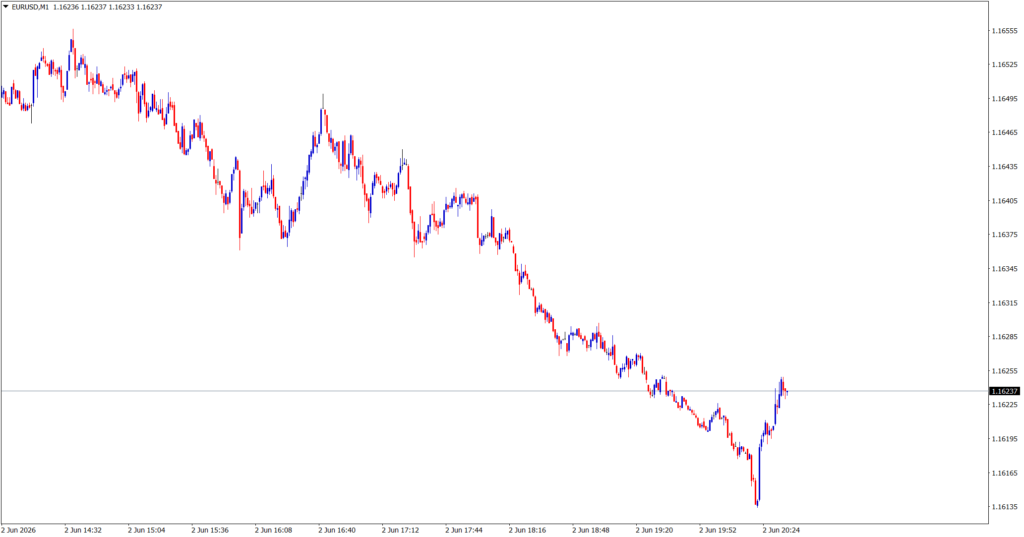
EUR/USD surged higher and recorded its strongest daily performance in nearly two weeks.
The pair broke through short-term resistance levels and reclaimed much of the territory lost during the earlier June dollar rally. Momentum indicators turned decisively bullish as buying activity accelerated throughout the session.
Technically, Monday’s rally restored confidence in the euro’s medium-term recovery trend.
Fundamental Analysis
The euro was one of the biggest beneficiaries of the Iran agreement.
Europe remains highly dependent on imported energy, making falling oil prices a major positive development for the eurozone economy. Lower energy costs improve both growth prospects and inflation dynamics.
At the same time, the sharp decline in oil prices reduced expectations that the Federal Reserve would need to maintain an aggressively restrictive stance.
Reuters noted that investors viewed the agreement as a major relief event that eased inflation fears and encouraged flows into risk assets.
The combination of lower energy costs, improved global sentiment, and a weaker dollar created a highly supportive environment for EUR/USD.
USD/JPY
Technical Analysis
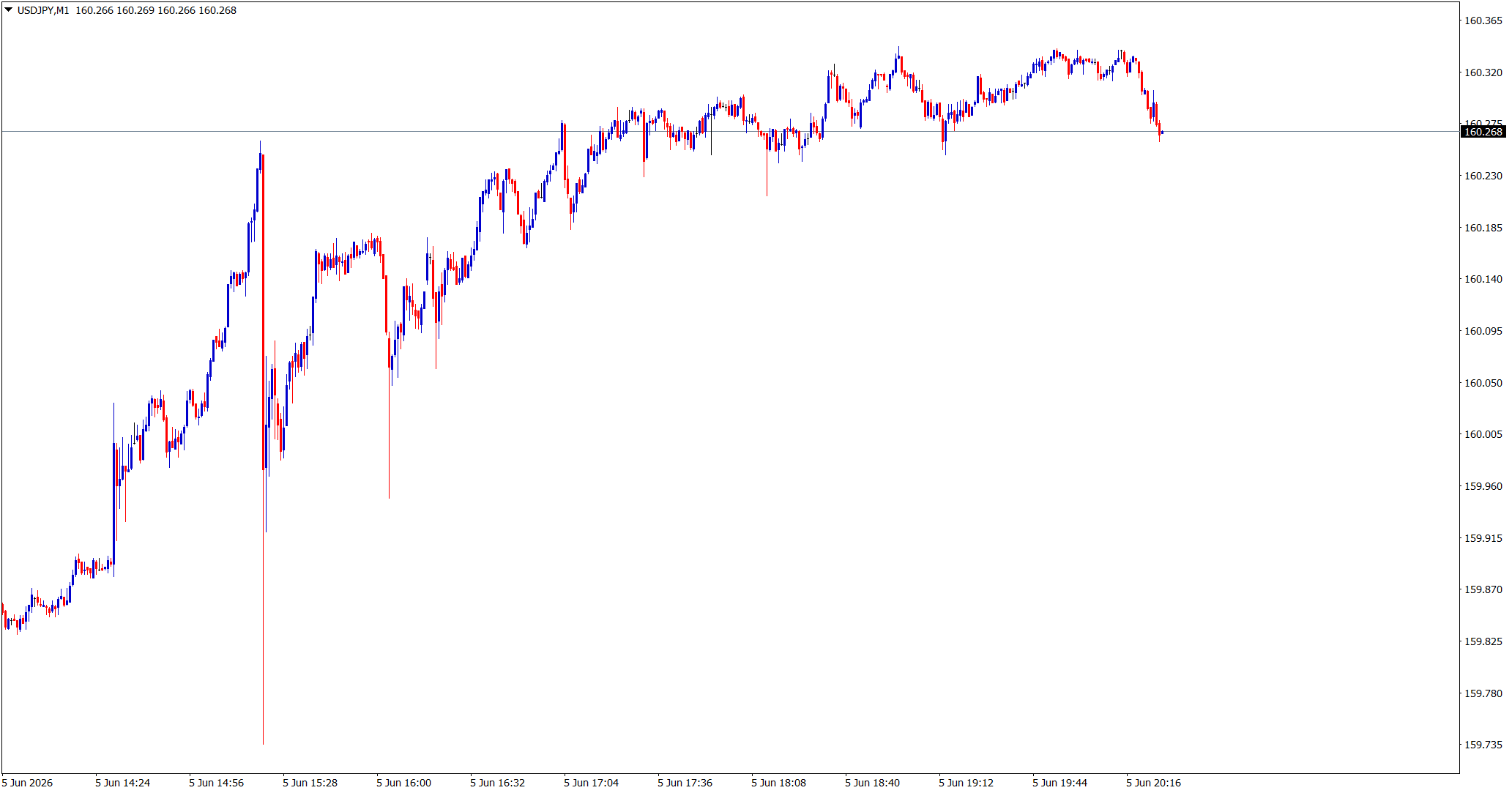
USD/JPY declined sharply after failing to sustain recent gains above 160.
The pair broke lower through near-term support levels and traded with a consistently weaker tone throughout the session.
Technically, the move represented one of the most significant setbacks for dollar bulls since early June.
Fundamental Analysis
The decline was driven primarily by falling Treasury yields.
As oil prices collapsed and inflation fears eased, investors scaled back expectations for additional Federal Reserve tightening. That directly reduced the dollar’s yield advantage against the yen.
The improved geopolitical outlook also reduced safe-haven demand for the dollar.
While Japan remains vulnerable to energy prices, lower oil costs improve the country’s trade outlook and reduce inflation pressures linked to imports.
As a result, USD/JPY became one of the clearest expressions of the market’s relief following the U.S.-Iran announcement.
GBP/USD
Technical Analysis
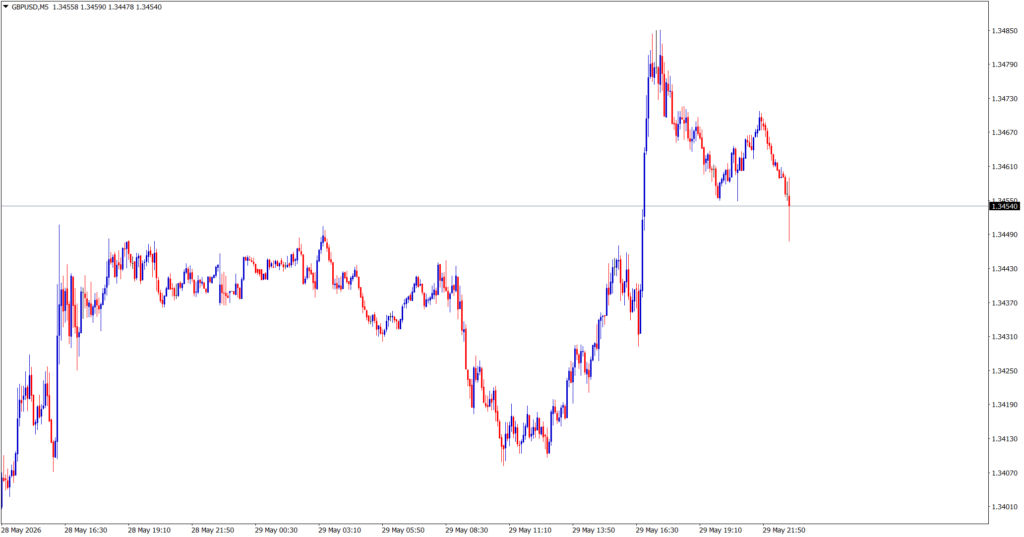
GBP/USD rallied strongly alongside the euro and closed near session highs.
The pair successfully broke out of its recent consolidation range and generated fresh bullish momentum.
Technically, sterling regained control after several weeks of largely sideways trading.
Fundamental Analysis
Like the euro, the pound benefited from falling oil prices and improved risk sentiment.
The UK economy remains sensitive to energy costs, meaning lower oil prices help ease inflation concerns while supporting consumer spending and business activity.
The broader weakening of the dollar also played a significant role.
As investors rotated back into risk assets and away from defensive dollar positions, sterling attracted fresh buying interest despite ongoing domestic political uncertainties.
Market Outlook
Monday marked a major shift in global market psychology.
The combination of:
- falling oil prices
- improving geopolitical conditions
- reduced inflation fears
- and stronger risk appetite
created one of the least dollar-supportive environments seen in months.
For now:
- EUR/USD has regained bullish momentum.
- USD/JPY has moved away from intervention-sensitive highs.
- GBP/USD has broken higher.
- The dollar has lost an important source of support.