


Wednesday shifted the FX conversation away from intervention alone and back toward the broader global macro picture.
The dollar hovered near six-week lows as renewed optimism around negotiations to end the Iran conflict reduced safe-haven demand. Lower oil prices also helped weaken the inflation argument that had previously supported Fed tightening expectations. Reuters reported the dollar index near 99.70, while the yen remained around 157.7 and the euro and pound both strengthened modestly.
The geopolitical backdrop was particularly important. Markets interpreted positive signals surrounding Iran negotiations as reducing the probability of prolonged disruption through the Strait of Hormuz. That mattered not just for oil but for inflation expectations across the developed world. If crude remains contained, the Federal Reserve faces less pressure to respond to energy-driven inflation, while Europe, Japan, and the UK gain relief from imported energy costs.
Sterling also received a domestic boost. A July S&P Global survey showed UK services activity rebounding, with new orders and business sentiment improving to their strongest levels since before the Iran conflict began in February. The pound traded around $1.347.
USD/JPY
Technical Analysis
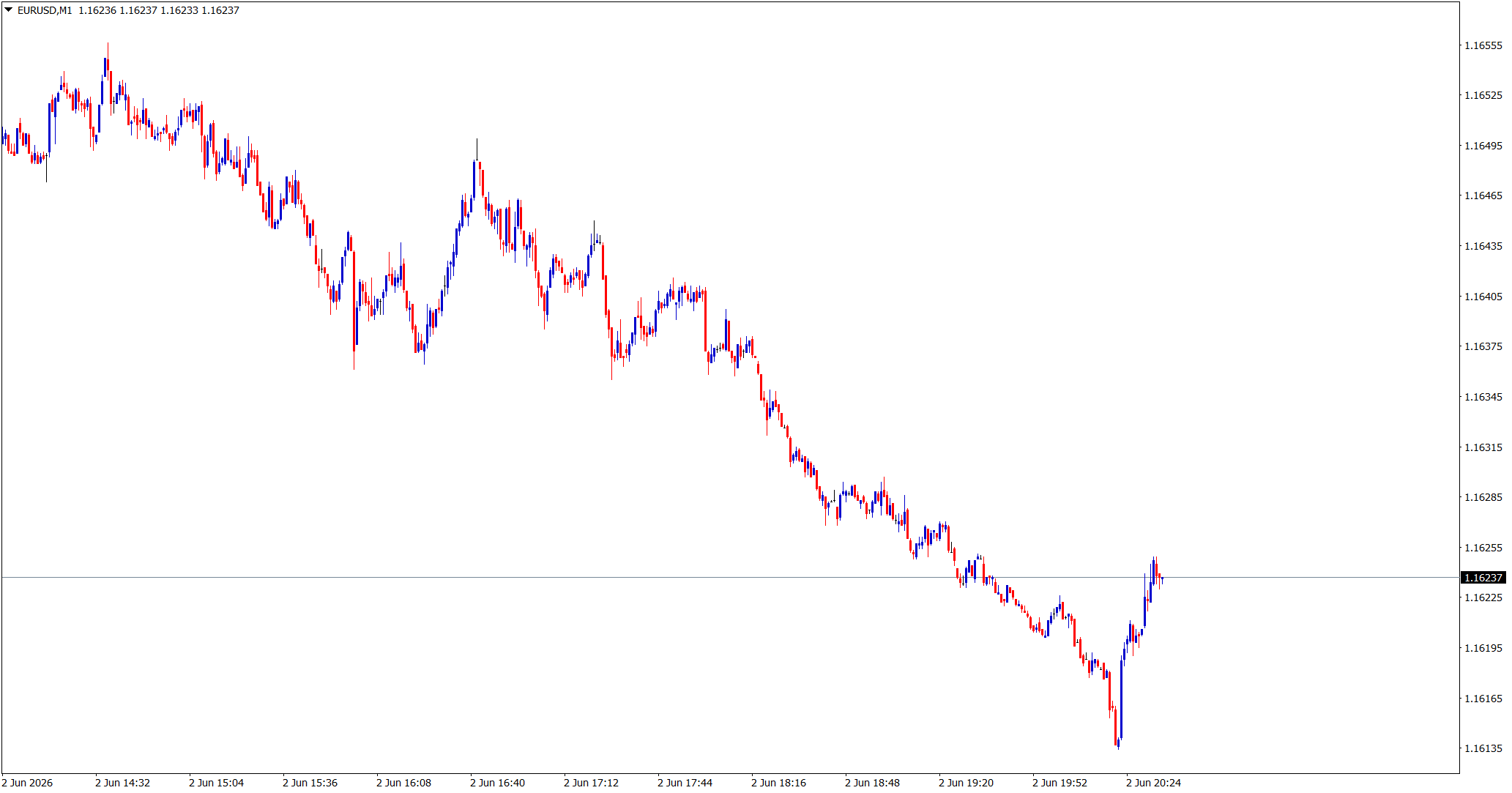
USD/JPY stabilized around 157.7 after several days of extremely volatile intervention-driven trading. The pair remained well below July’s 163.99 high but comfortably above Monday’s 155.20 intervention low.
This is a textbook consolidation following a large forced-positioning event. The market is attempting to establish a new equilibrium while traders assess how aggressively authorities might defend the yen.
The 155 area remains initial support, while 158–160 is likely to become increasingly difficult resistance if intervention fears persist.
Fundamental Analysis
Reuters reported that U.S. Treasury Secretary Scott Bessent publicly supported Japan’s stabilization efforts, reinforcing expectations that Washington may cooperate again if needed. Markets also began increasing expectations that the Bank of Japan could raise rates at its September meeting.
Those two factors give the yen more support than it had in July.
However, intervention alone does not erase Japan’s structural yield disadvantage. Reuters’ poll of FX strategists showed some of the weakest long-term yen forecasts in the survey’s multi-decade history, illustrating how skeptical analysts remain that intervention can permanently reverse the currency without monetary-policy follow-through.
EUR/USD
Technical Analysis
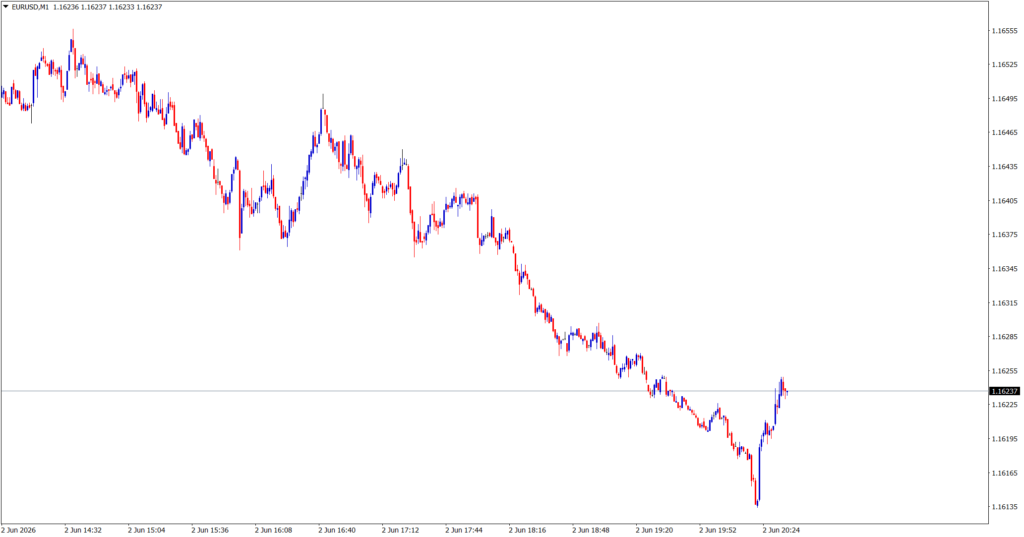
EUR/USD remained around the 1.15 area and held most of its recent gains. The pair’s ability to stay elevated while the dollar index hovered near six-week lows kept the technical bias mildly constructive.
A sustained push above the recent upper range would be needed for a genuine breakout, but downside momentum remained limited.
Fundamental Analysis
The euro benefited from lower oil and improving Middle East sentiment. Both are especially important for Europe because the region is heavily dependent on imported energy.
At the same time, Fed-hike expectations had softened from earlier in the week. Reuters noted that the probability of a September hike had dropped below 60%, compared with around 70% previously.
This narrowed the relative policy advantage supporting the dollar and allowed EUR/USD to remain firm.
GBP/USD
Technical Analysis
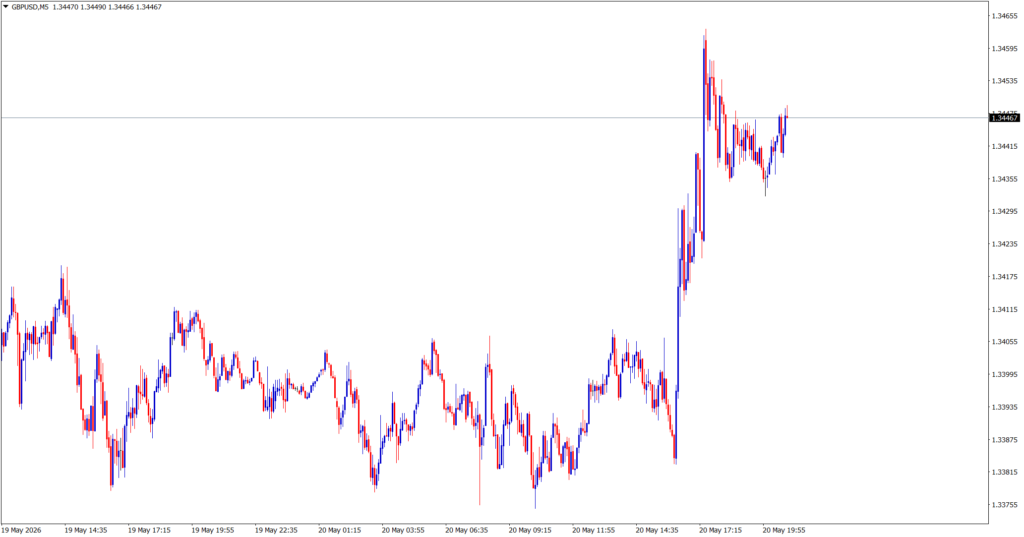
GBP/USD moved to around $1.347 and held near the upper portion of its recent range.
The pair was not accelerating aggressively, but sterling’s ability to outperform despite broader volatility reflected improving short-term sentiment.
Fundamental Analysis
The UK services PMI provided a genuine domestic catalyst. Activity rebounded in July as new orders strengthened and business confidence improved, with firms citing hopes for Middle East de-escalation and lower inflation.
UK fiscal policy remained a background issue. Treasury officials were examining increased borrowing under revised fiscal rules, potentially allowing more investment in infrastructure and housing. That could support growth but also raise future concerns about gilt supply and fiscal credibility.
For Wednesday, however, the stronger services survey and lower global energy risk dominated, supporting GBP/USD.
Market Outlook
Aug. 5 reinforced the idea that the dollar had lost some of its geopolitical premium.
- USD/JPY remained heavily influenced by intervention expectations.
- EUR/USD benefited from lower oil and softer Fed-hike pricing.
- GBP/USD gained additional support from improving UK services activity.
- The next major catalyst became Friday’s U.S. employment report.