


Friday completed the week’s central-bank repricing.
U.S. consumer prices rose 0.4% in August, leaving annual headline inflation at 3.4%. Core CPI increased 0.3% month-on-month and 2.4% year-on-year, slightly hotter than economists expected on the monthly measure. Combined with Thursday’s producer-price report and oil prices above $100, the data pushed market expectations of a Federal Reserve rate increase the following week to roughly 85%.
The dollar strengthened against several major currencies, though the reaction was much less explosive than would have been expected earlier in 2026. The dollar index was roughly flat on the day and still heading for a second weekly decline. That reflected the central theme of the week: other central banks were also becoming more hawkish, limiting the Fed’s relative policy advantage.
The bond market remained under enormous pressure. The U.S. 10-year yield briefly approached 5%, its highest in roughly three years, before easing toward 4.93%. Treasury Secretary Bessent’s expanded buyback program had done little to permanently lower long-term borrowing costs as investors focused on the U.S. fiscal deficit, heavy issuance, sticky inflation and the national debt passing $40 trillion.
Oil remained historically expensive despite a Friday pullback. Brent settled around $104.49, still more than 8% higher for the week after disruptions around Hormuz and Houthi advances in Yemen. U.S. diesel prices had risen above $6 per gallon in parts of the market, intensifying the inflationary squeeze on households and businesses.
Yet the yen strengthened again, reaching roughly 153.69 per dollar. That divergence was crucial: rising U.S. yields were no longer sufficient to restore USD/JPY’s old uptrend because BOJ tightening expectations and repatriation flows had fundamentally changed the Japanese currency story.
EUR/USD
Technical Analysis
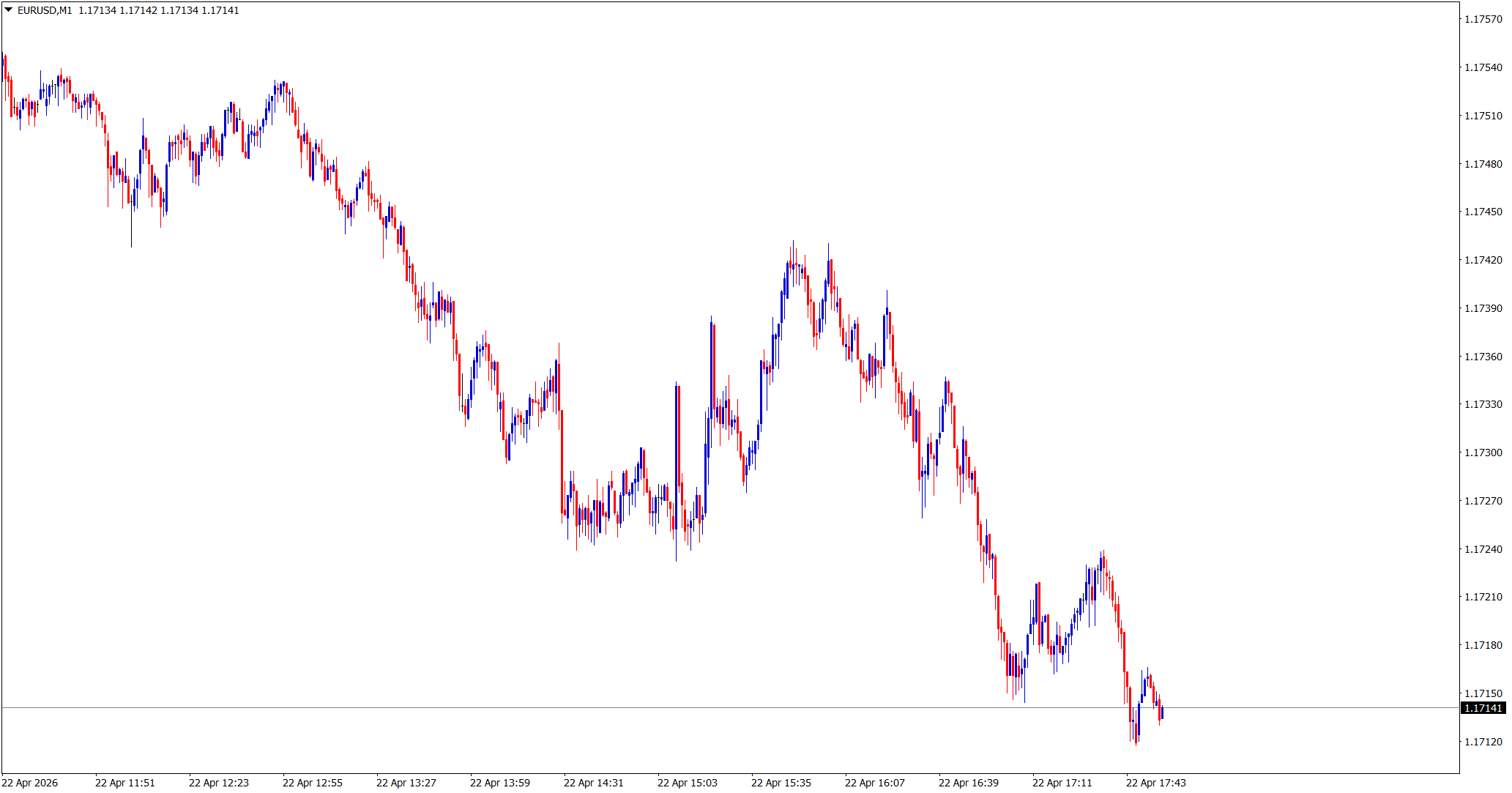
EUR/USD remained under pressure after the ECB hike failed to generate sustained buying.
The dollar strengthened following CPI, pushing the pair lower from the highs reached earlier in the week. Yet the decline remained relatively controlled, reflecting the fact that the ECB had also entered a more hawkish cycle.
Technically, the pair was moving back toward support around the lower 1.16 area. Failure to hold that zone would expose a deeper correction, while stabilization would reinforce the idea that policy convergence between the Fed and ECB is keeping EUR/USD in a broad range.
The important takeaway is that the dollar’s CPI-driven advance was not enough to produce a major euro breakdown.
Fundamental Analysis
The euro was caught between two hawkish central banks.
The Fed now looked highly likely to tighten following CPI, but the ECB had already raised rates a day earlier and warned that inflation would remain above target for an extended period.
That policy convergence limits the extent to which Fed hawkishness automatically strengthens USD against EUR.
However, Europe’s economic exposure to the energy shock remains much worse. ECB Chief Economist Philip Lane warned that persistently elevated energy prices could begin damaging eurozone consumption by the autumn, while policymaker Gabriel Makhlouf cautioned that additional rate increases could materially hurt growth.
Thus, the euro’s problem is increasingly stagflationary: the ECB may need to hike even as expensive energy weakens demand.
USD/JPY
Technical Analysis
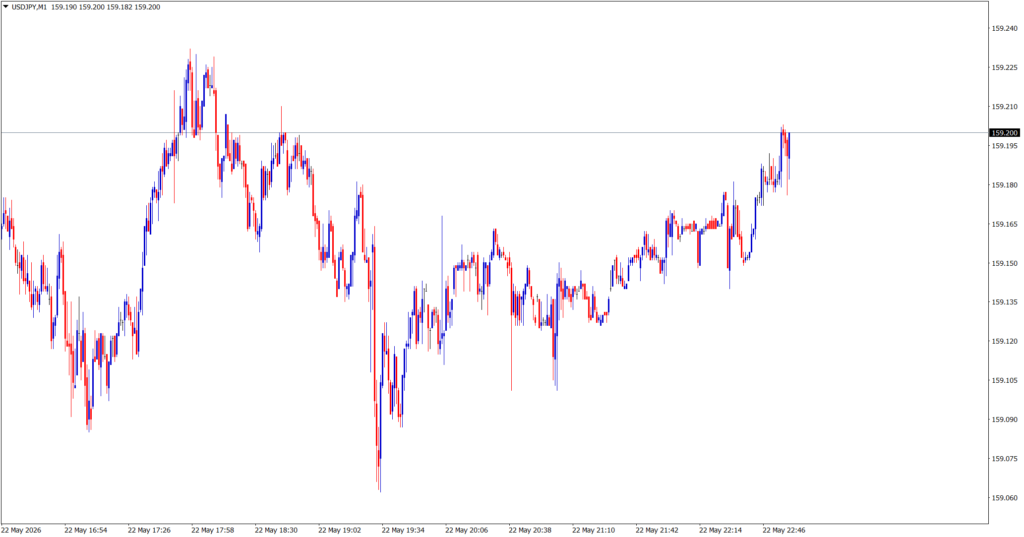
USD/JPY fell toward 153.69 despite the hot U.S. inflation report and higher Fed-hike expectations.
Technically, this was arguably the most important signal of the entire week.
A few months earlier, an 85% probability of a Fed hike combined with near-5% Treasury yields would almost certainly have pushed USD/JPY sharply higher. Instead, the pair declined.
That confirms the yen’s trend has materially changed.
The 152–153 region remains important support, while 155 has become increasingly significant resistance. Unless the pair regains 155 convincingly, rallies may continue to attract sellers rather than renewed carry demand.
Fundamental Analysis
The yen’s strength reflects expectations that the BOJ will tighten as well.
Japanese wholesale inflation remained elevated, and markets increasingly expected policymakers to raise rates at the following week’s meeting. That reduced the Fed’s relative rate advantage.
More importantly, the yen’s carry-trade role has changed. Investors who once borrowed yen almost automatically now face:
- higher Japanese rates;
- intervention risk;
- U.S. political support for yen stability;
- and the possibility of Japanese investors repatriating overseas assets.
Those forces make yen shorts substantially more dangerous.
Reuters’ weekly analysis highlighted the yen’s seven-month high as one of the defining moves of global markets, along with triple-digit oil and renewed central-bank tightening.
USD/CAD
Technical Analysis
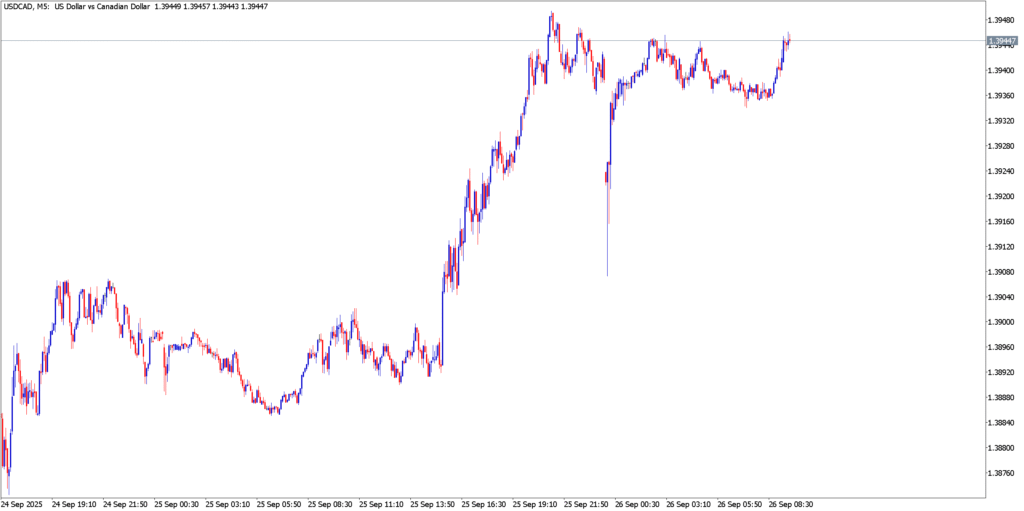
USD/CAD climbed toward a nine-day high, with the Canadian dollar weakening to roughly 1.3862 per U.S. dollar and touching 1.3883 intraday.
Technically, the pair moved back toward the upper part of its recent range as Fed-hike expectations strengthened.
The key question was whether USD/CAD could establish itself above the 1.39 region. A break higher would suggest the dollar’s yield advantage was beginning to outweigh Canada’s support from expensive crude.
Fundamental Analysis
CAD’s weakness was notable because oil remained above $100, a backdrop that would normally support Canada as a major energy exporter.
Yet Friday’s U.S. CPI shifted relative monetary-policy expectations strongly enough to favor the dollar.
That tells us USD/CAD was trading less as an oil pair and more as a rates pair. Markets viewed the Fed as likely to hike while the Bank of Canada faced a more uncertain domestic growth backdrop and ongoing trade tensions with the United States.
High oil may improve Canada’s terms of trade, but it also raises inflation and global recession risk. If energy prices remain above $100 because of geopolitical disruption rather than strong demand, the relationship between crude and CAD becomes much less straightforward.
Market Outlook
September 11 closed an extraordinary week in which the global interest-rate map moved sharply higher.
For now:
- Fed hike odds are around 85% after U.S. CPI.
- The ECB has already raised rates to 2.50% and markets expect further tightening.
- The BOJ is expected to tighten, helping the yen maintain its strongest levels in seven months.
- Oil remains above $100 and the Middle East conflict continues threatening both Hormuz and Red Sea shipping routes.
- U.S. 10-year yields are testing the psychologically critical 5% area, increasing the risk that higher borrowing costs themselves become a drag on economic growth.
The broader FX message is therefore more complicated than “hot inflation equals stronger dollar.”
The dollar still benefits from Fed tightening and high Treasury yields, but the ECB and BOJ are tightening as well. That reduces policy divergence and explains why the greenback was still heading for a weekly decline despite increasingly hawkish U.S. rate expectations.
The next week will therefore be decisive: with the Fed, BOJ and Bank of England all entering the policy spotlight, markets will find out whether this new global tightening cycle becomes a sustained FX regime, or whether the economic damage from $100-plus oil forces central banks to retreat sooner than currently expected.