


Thursday delivered exactly the kind of macro environment central bankers fear most: higher inflation, higher interest rates and weaker growth prospects at the same time.
The European Central Bank raised its key policy rate by 25 basis points to 2.50%, its second increase of the year, and warned that inflation could remain above target for longer than previously expected. ECB President Christine Lagarde described the move as necessary given the energy shock and said inflation could prove “longer lasting” than officials anticipated. Markets quickly increased expectations for additional tightening.
Yet the euro fell.
EUR/USD dropped around 0.2% to $1.1612 after the decision because investors focused less on the higher rate itself and more on the economic cost of a sustained tightening cycle. Germany’s 10-year yield reached its highest level since 2011 and France’s 30-year yield hit levels last seen in 2003.
The U.S. dollar strengthened more broadly after producer-price data came in broadly in line with expectations and reinforced the case for a Fed hike the following week. The dollar index rose around 0.28% to 99.06.
Oil added another shock. Brent surged 6.3% to $107.63 after Iran-aligned Houthis seized Yemen’s strategic port of Mocha, increasing fears that disruption could spread from the Strait of Hormuz to Red Sea shipping routes.
EUR/USD
Technical Analysis
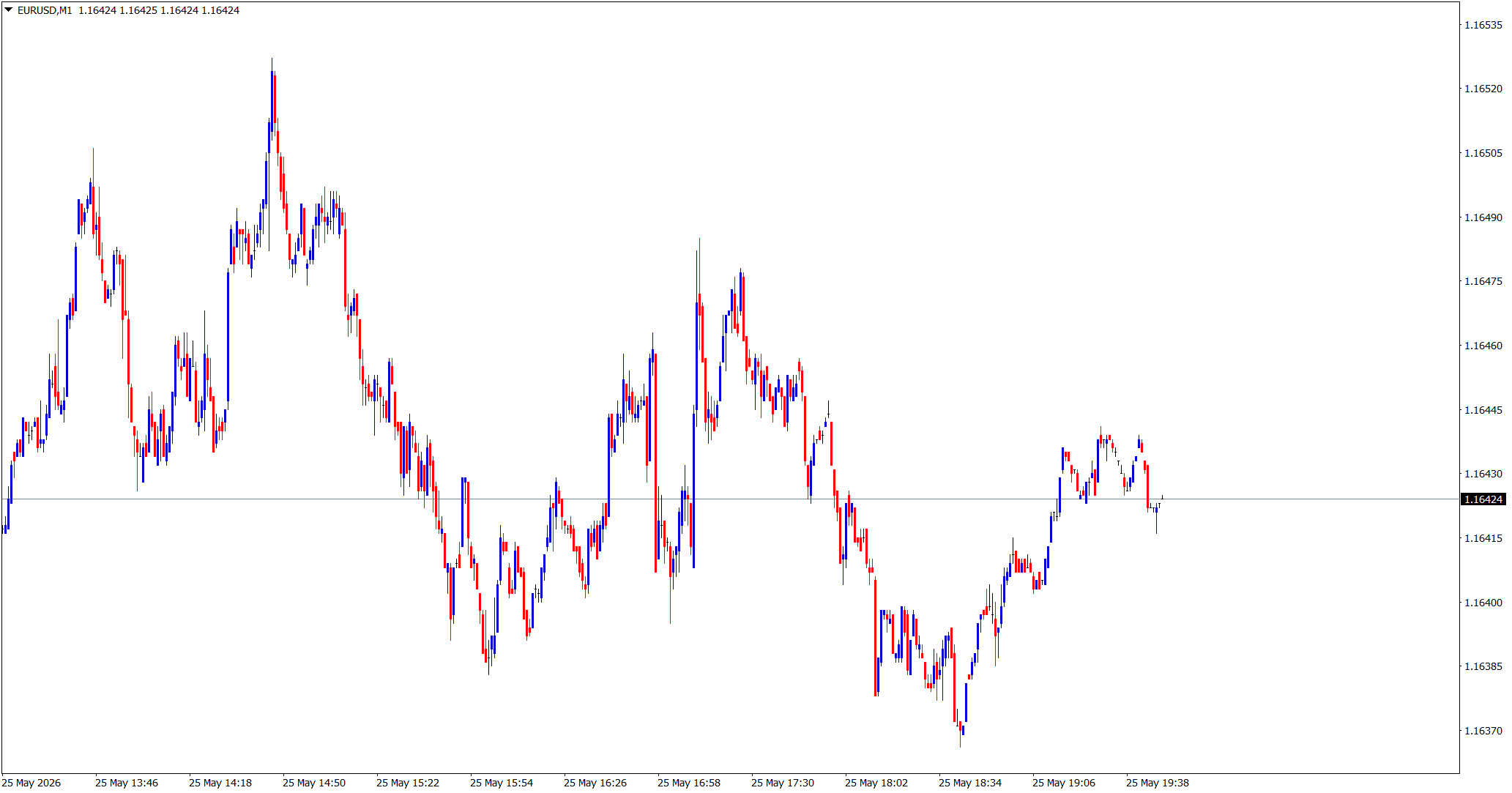
EUR/USD’s decline after an ECB hike was technically significant because it represented a classic “sell the fact” response.
The pair fell toward 1.1612, showing that the market had already priced the rate increase and needed a more positive growth outlook to push the euro higher.
Technically, the inability to rally on ostensibly bullish policy news suggests resistance in the mid-1.16 area remains strong. The pair continues holding above deeper support, but Thursday weakened the argument for immediate upside continuation.
A further break below recent support would confirm that the ECB’s tightening cycle is becoming a negative growth story rather than a positive yield story.
Fundamental Analysis
The euro’s problem is that the ECB is tightening for the wrong reason from a currency-quality perspective.
The rate hike is not being driven by booming European demand. It is being driven by an external energy supply shock.
Brent above $107 and European gas near levels not seen since 2022 threaten households and manufacturers while simultaneously pushing inflation higher. The ECB therefore has to raise rates into weakening real economic conditions.
Lagarde’s hawkish message reinforced expectations for additional increases, with markets pricing around 85 basis points of further tightening by end-2027. But more hikes also increase recession and sovereign-risk concerns, particularly in heavily indebted parts of Europe.
That explains why EUR/USD fell despite the ECB hike.
USD/JPY
Technical Analysis
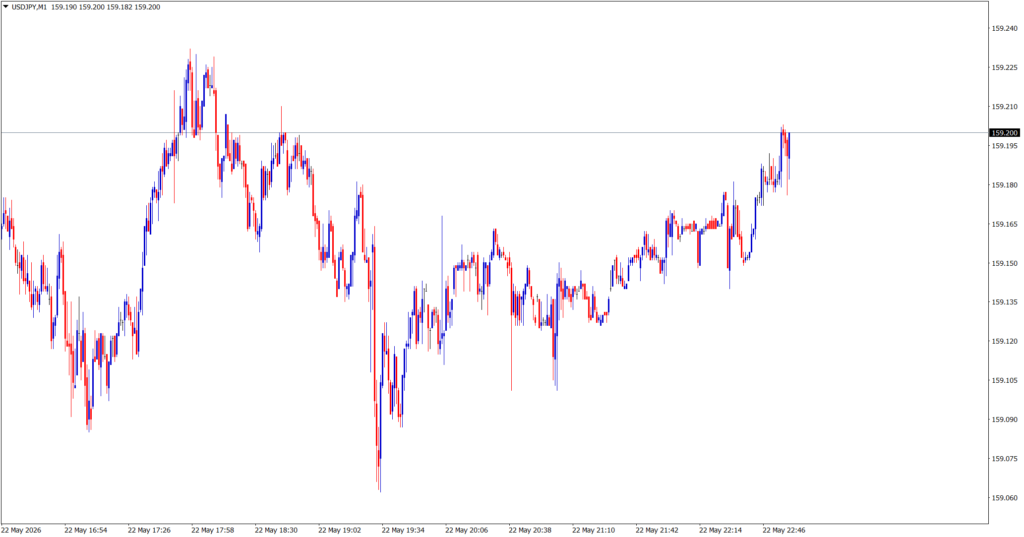
USD/JPY rebounded roughly 0.5% toward 154.32, interrupting the yen’s three-session rally.
Technically, the move looked like a natural correction after the yen’s rapid appreciation toward seven-month highs. The 152–153 region had become stretched, and some short-dollar positions were taking profit.
However, the pair remained far below its July and August extremes and the broader yen recovery structure was still intact.
The 155 area now becomes an important test. A sustained break back above it would suggest the yen rally had gone too far too quickly; rejection below it would reinforce the new stronger-yen regime.
Fundamental Analysis
The dollar benefited from U.S. PPI and high Treasury yields, while the yen faced the traditional negative effect of another huge oil surge.
But unlike earlier in the year, expectations for a BOJ hike were now strong enough to limit the damage. The yen remained more than 6% stronger than its late-July intervention levels and not far from seven-month highs.
Washington’s role remained important too. Treasury Secretary Bessent’s public support for yen stabilization kept intervention credibility high, while markets expected the BOJ to tighten the following week.
Thus, Thursday’s USD/JPY rise was corrective rather than a return to the old one-way yen depreciation story.
GBP/USD
Technical Analysis
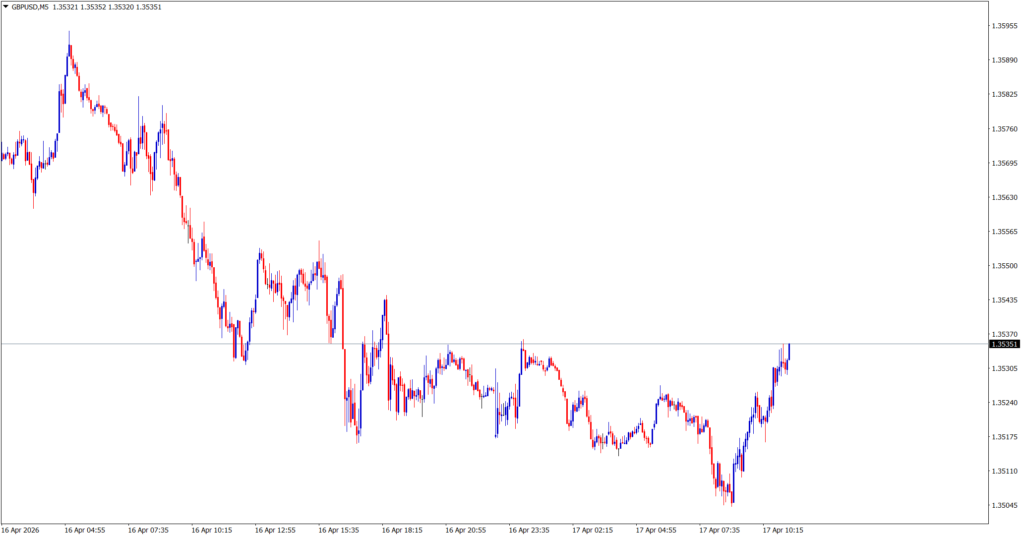
GBP/USD weakened roughly 0.27% to around $1.3510 as the dollar strengthened and global yields rose.
Technically, sterling remained relatively resilient above the 1.35 area, but the session interrupted its earlier recovery. The pound was caught in a global bond selloff rather than experiencing a uniquely UK-driven collapse.
A sustained break below 1.35 would weaken the short-term structure; continued support above it would suggest sterling could recover once the dollar’s inflation bid faded.
Fundamental Analysis
UK bond yields surged to extraordinary levels. The 10-year gilt yield reached roughly 5.38%, its highest in 19 years, while 20- and 30-year yields moved to their highest since 1998.
Ordinarily, higher yields can support sterling. But again, the reason matters.
Markets were not pricing stronger UK growth. They were pricing energy-driven inflation, global bond stress and the possibility the BoE would eventually need to tighten into a fragile fiscal environment.
That is a much less supportive backdrop for the pound.
Finance Minister John Healey also faced rising borrowing costs ahead of the October budget, raising questions about how much fiscal space the government would retain if yields stayed near multi-decade highs.
Market Outlook
September 10 reinforced the week’s stagflationary theme.
- EUR/USD fell despite the ECB hike because markets fear tightening will damage European growth.
- USD/JPY rebounded but remained far below its summer highs as BOJ expectations continued supporting the yen.
- GBP/USD weakened as multi-decade UK yields became a fiscal and growth problem rather than a simple currency positive.
- The key next event became U.S. CPI, which would determine whether the Fed joined the ECB and BOJ in tightening.