


Wednesday brought the oil shock fully into the center of global markets.
Brent crude pushed above $100 per barrel as escalating Middle East fighting threatened a broader regional energy crisis. Iran continued retaliating against U.S. military targets, Houthis intensified attacks on Saudi cities and infrastructure, and global energy inventories were rapidly tightening. The U.S. Energy Information Administration estimated roughly 400 million barrels had already been removed from global inventories during 2026 and raised its annual Brent forecast to around $91.
The implications extended far beyond crude. Global stocks declined, U.S. bond yields climbed to multi-year highs, gasoline moved above $4 per gallon, and U.S. diesel reached a record $5.94 per gallon. The Treasury attempted to ease pressure in the bond market by tripling buybacks to $6 billion, but investors remained unconvinced.
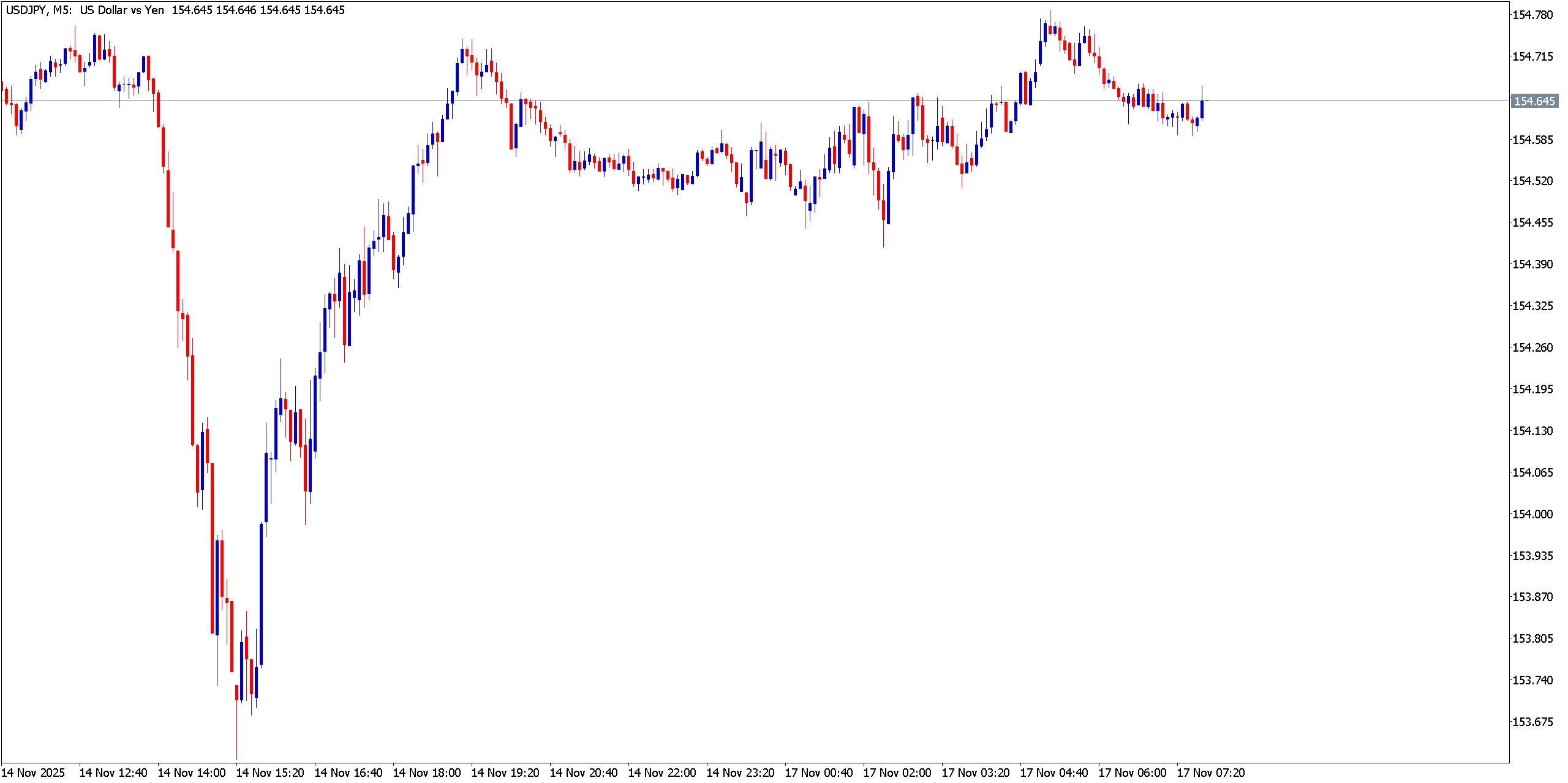
The yen continued defying its traditional relationship with oil. Normally, triple-digit crude should hurt Japan severely because the country imports most of its energy. Instead, USD/JPY continued trading close to seven-month yen highs as BOJ tightening expectations and forced short-covering overwhelmed the energy effect.
The move had begun to destabilize the global carry-trade ecosystem itself. With yen borrowing no longer cheap and the currency appreciating rapidly, investors began searching for alternatives such as the Swiss franc, Canadian dollar or euro. Reuters noted, however, that none offers the combination of liquidity, low funding costs and historical stability the yen once provided.
USD/JPY
Technical Analysis
USD/JPY continued trading near the 152–153 area, consolidating after its violent fall from above 160.
Technically, the pair was now approaching the 152 region that represented an important yearly extreme. Momentum remained firmly yen-positive, but the speed of the decline suggested the market had become stretched in the opposite direction.
That creates the possibility of short-term rebounds, particularly ahead of the BOJ meeting. Yet rebounds toward 155 would now likely attract sellers unless U.S. yields rise enough to restore confidence in the carry trade.
The broader technical signal remains clear: breaking the previous intervention floor at 155 changed the market’s behavior.
Fundamental Analysis
The most remarkable feature of USD/JPY was that the yen continued strengthening despite oil moving above $100.
That tells us the market was no longer trading Japan primarily as an energy importer. Instead, investors were focused on domestic rate normalization, repatriation and position unwinds.
Reuters described the move as self-reinforcing: hawkish BOJ expectations initiated the rally, Treasury Secretary Bessent’s comments increased political credibility, and algorithmic stop-loss flows accelerated the squeeze.
The broader implication is that Japan may be transitioning away from its decades-long role as the world’s default funding currency. If that continues, USD/JPY could remain under pressure even when traditional macro relationships — such as oil hurting the yen — would normally point the other way.
EUR/USD
Technical Analysis
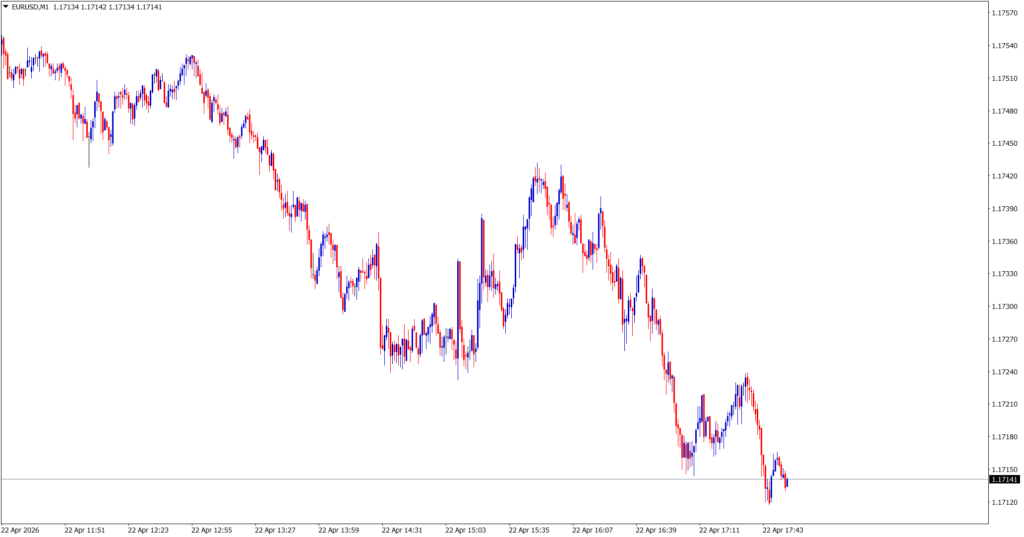
EUR/USD traded cautiously around the low 1.16s ahead of Thursday’s ECB meeting.
The pair retained support but struggled to advance meaningfully because the same energy shock encouraging the ECB to raise rates was also damaging Europe’s economic outlook.
Technically, that left EUR/USD trapped between relatively firm support and heavy resistance. The market was unwilling to sell aggressively before a likely rate hike, but equally unwilling to buy aggressively into a stagflationary energy shock.
Fundamental Analysis
The ECB’s dilemma intensified dramatically as Brent crossed $100.
Eurozone inflation was already running above target, and another energy surge increased the likelihood that policymakers would tighten despite weak growth.
But rate hikes cannot create oil supply. Their role is to prevent the energy shock from spreading into wages, expectations and services inflation. That means the ECB risks damaging domestic demand in order to contain a price shock generated abroad.
This is why an ECB hike is not automatically bullish for EUR/USD. If investors believe tightening raises recession risk more than it improves real yields, the euro can weaken despite higher nominal rates.
Political uncertainty in France and Germany added another headwind, making the currency especially sensitive to how Lagarde framed the tradeoff between inflation and growth.
USD/CAD
Technical Analysis
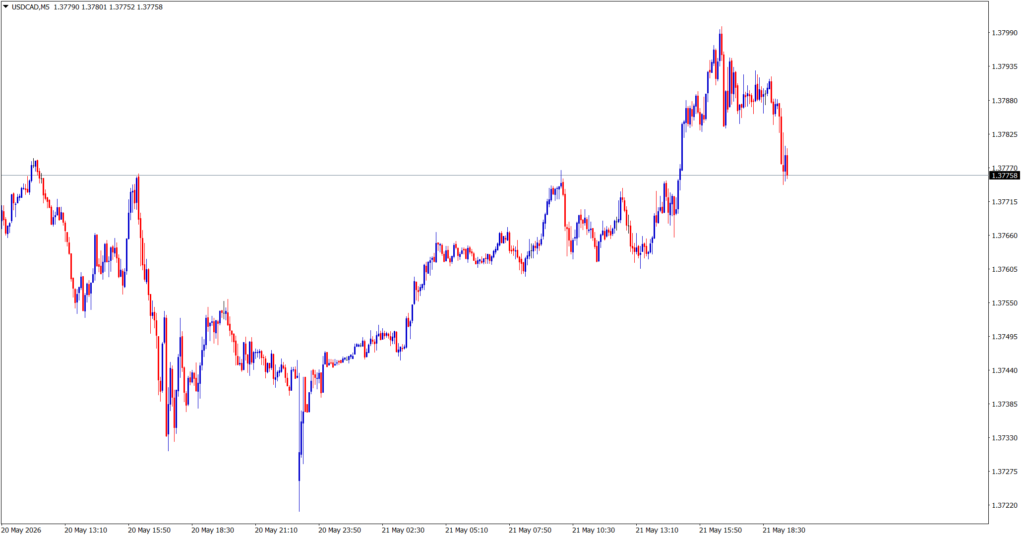
USD/CAD remained one of the most interesting commodity-dollar pairs because the oil shock theoretically favored Canada.
Crude above $100 provided strong support for Canadian export revenues, which limited USD/CAD upside even as the U.S. dollar benefited from elevated Treasury yields.
The pair therefore remained relatively contained compared with more directional majors such as USD/JPY.
Fundamental Analysis
Canada benefits from high crude in a way Europe and Japan do not. But that benefit was offset by the possibility that triple-digit oil could force the Fed to remain more hawkish than the Bank of Canada.
There was also a global risk component. Severe Middle East escalation can support USD as a reserve currency even when higher oil benefits CAD fundamentally.
That creates a tug-of-war:
- commodity terms of trade favor CAD;
- yield and safe-haven demand favor USD.
The balance explains why USD/CAD remained less directional than other major pairs.
Market Outlook
September 9 marked the moment the energy shock became impossible for central banks to ignore.
- USD/JPY remained under pressure as the yen carry trade unwound.
- EUR/USD entered the ECB meeting caught between higher rates and worsening energy-driven growth risk.
- USD/CAD remained a battle between commodity support and U.S. rate advantage.
- Global markets were increasingly trading a stagflation scenario: higher oil, higher yields and weaker equities.