


Tuesday deepened the two dominant themes established at the start of the week: yen strength and energy-driven inflation risk.
The yen reached 152.89 per dollar in Asian trading, its strongest level since February, before settling near 153.8. It had gained nearly 5% in a matter of days, a remarkable move for one of the world’s most liquid major currencies. Reuters attributed the rally to expectations for BOJ tightening, capital repatriation, carry-trade unwinds and the lingering credibility created by previous U.S.-Japan intervention.
At the same time, oil climbed toward $100 after Iran-backed Houthis attacked Saudi energy infrastructure. Brent traded around $99.07 while WTI rose above $94. The attack injured dozens and forced disruptions at selected Saudi energy facilities, raising the possibility that the Iran conflict was shifting from a primarily Strait of Hormuz story into a wider regional supply shock.
The financial consequences were broad. The Dow fell 1.18%, the S&P 500 lost 0.58%, and the Nasdaq dropped 0.32%. U.S. 10-year Treasury yields were near 4.8%, close to their highest levels since late 2023, as investors priced the possibility that central banks would need to tighten further despite worsening geopolitical risk.
This was an unusual risk-off session because the yen, rather than the dollar, became the strongest defensive currency. The dollar index was nearly flat around 98.86, reflecting how aggressively USD/JPY weakness offset dollar resilience elsewhere.
USD/JPY
Technical Analysis
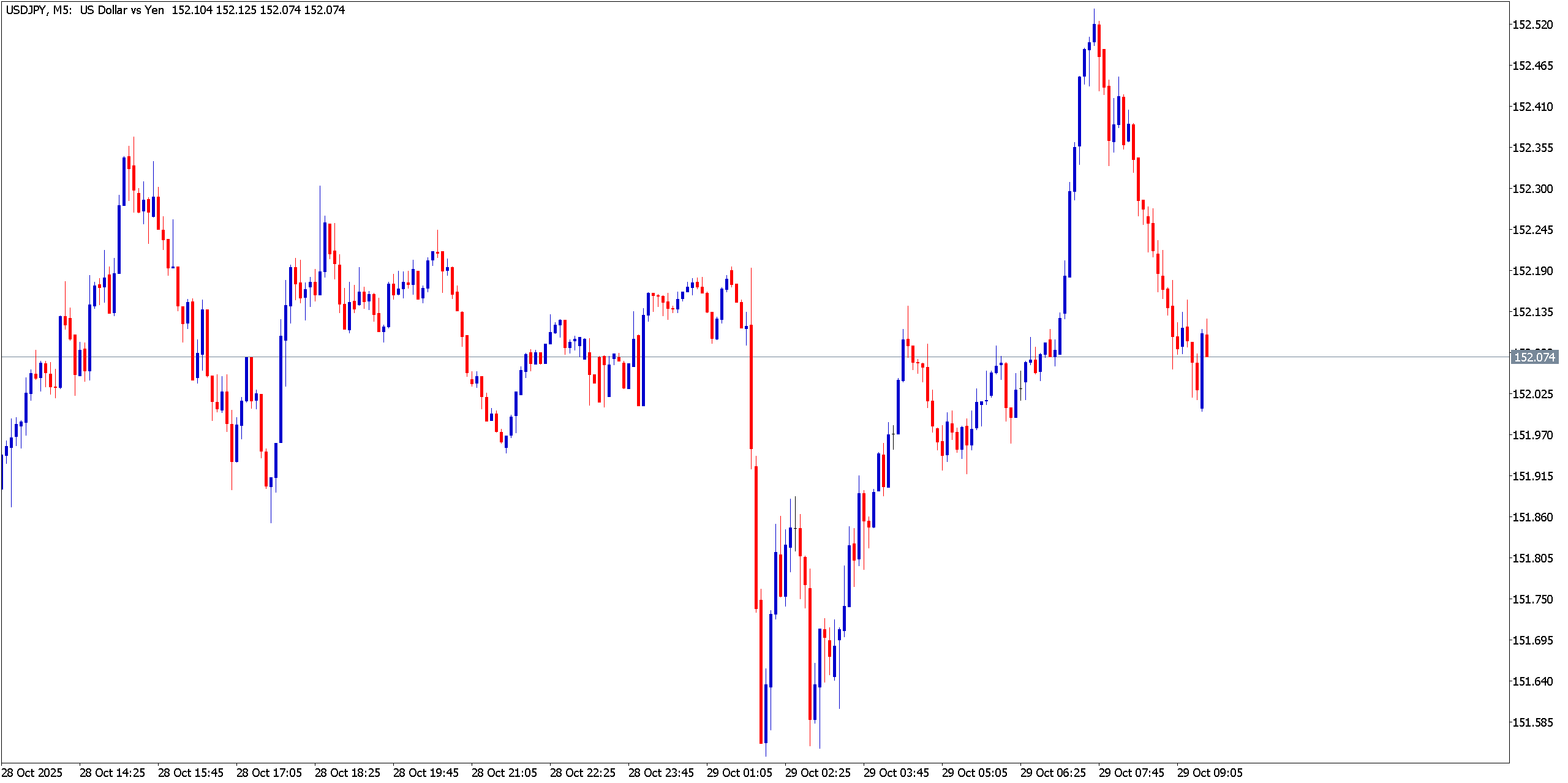
USD/JPY extended its break below 155 and briefly traded beneath 153.
The pace of the move was technically significant. A pair that had been near 160 only days earlier had fallen roughly seven yen without any new direct intervention. That suggested the market itself was now doing much of the work authorities previously had to do.
The break beneath 155 triggered stop-losses and forced systematic trend and carry strategies to reassess. Tuesday’s 152.89 low brought the pair close to the 152 region that analysts identified as the next major downside test.
In technical terms, USD/JPY had shifted from a long-established uptrend into a genuine medium-term correction. Rallies back toward 155 were increasingly likely to face selling from traders using the old support area as new resistance.
Fundamental Analysis
The fundamental driver had moved beyond intervention alone.
A quarter-point BOJ increase later in September was close to fully priced, while stronger Japanese GDP and real-wage data gave investors more confidence that tightening could continue. Reuters also reported the fastest real-wage growth in Japan in five years, reinforcing the case that domestic inflation was becoming more self-sustaining.
The carry-trade implications were enormous. As the yen strengthens and Japanese borrowing costs rise, the economics of using yen to finance high-yielding positions deteriorate. That can force investors to reduce exposure not only in FX but potentially in global bonds and equities funded with yen.
The oil shock would traditionally hurt Japan because the country imports energy. Yet the yen was strengthening anyway. That divergence showed just how powerful BOJ expectations and position unwinds had become.
EUR/USD
Technical Analysis
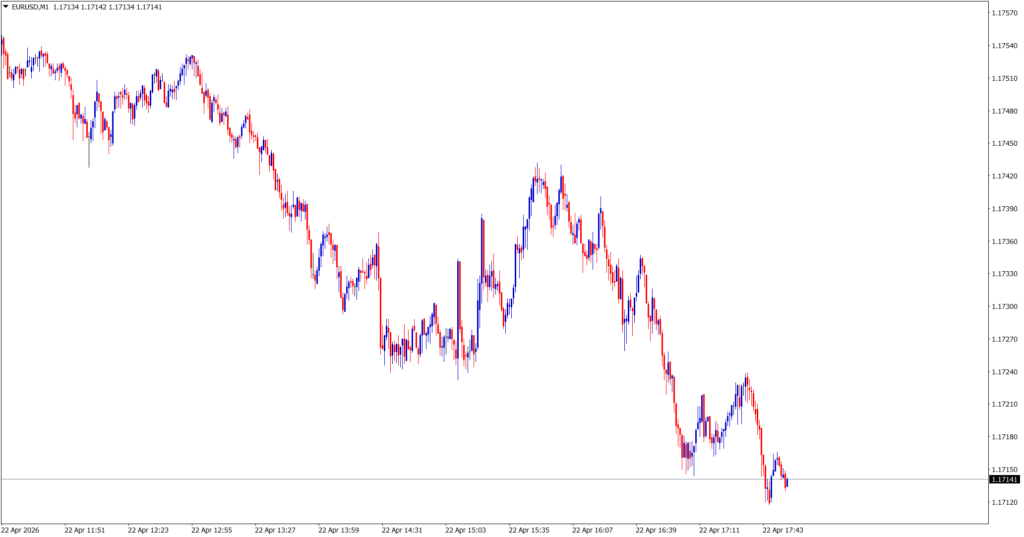
EUR/USD remained comparatively subdued while the yen dominated the session.
The euro stayed around the low-to-mid 1.16 area, holding recent gains without producing a major breakout. This is technically constructive but highlights the difference between a true currency-led move and one driven by the opposite leg.
The euro was not collapsing despite nearly $100 oil, suggesting expectations for an ECB hike were providing support. But buyers were also reluctant to chase the currency aggressively because the economic cost of the energy shock was increasing.
Fundamental Analysis
The ECB was widely expected to raise rates by 25 basis points on Thursday, and Tuesday’s energy shock reinforced the logic for doing so. Higher oil increases headline inflation and raises the risk that inflation expectations become embedded.
But Europe’s dilemma is severe: tightening into an energy shock can reduce demand without addressing the original supply problem. That raises stagflation risk.
Reuters’ market coverage showed that central banks globally were being forced toward tighter policy by the same oil shock that was weakening equities and consumer purchasing power.
The euro therefore remained supported by higher-rate expectations but capped by the economic damage those rate increases might inflict.
USD/CAD
Technical Analysis
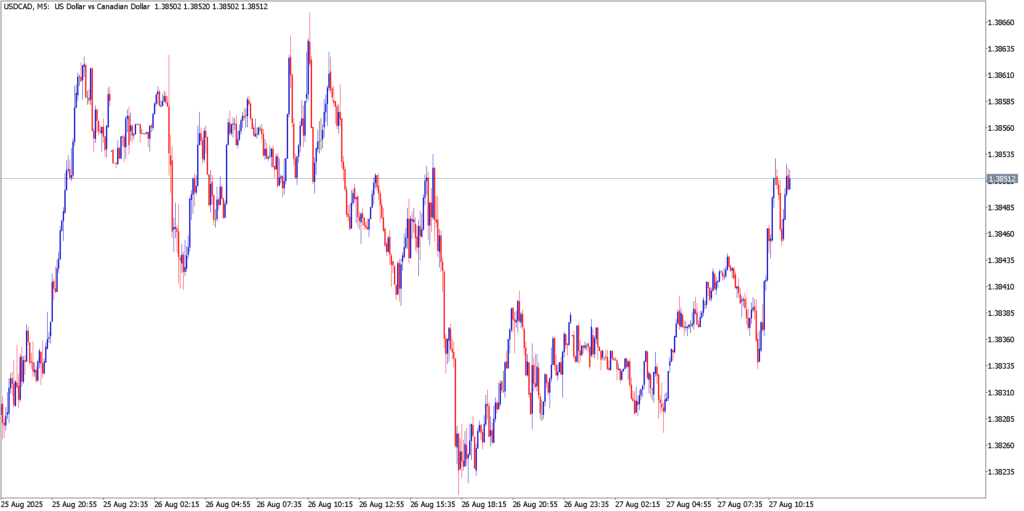
USD/CAD faced competing forces and traded less cleanly than USD/JPY.
Oil near $100 provided a direct terms-of-trade advantage to Canada, supporting CAD. At the same time, the U.S. dollar retained support from higher Treasury yields and expectations for Fed tightening.
That combination kept the pair closer to consolidation than trend.
Technically, CAD had the stronger commodity backdrop, but USD/CAD required either a sustained oil breakout or a clearer Fed repricing to escape its range.
Fundamental Analysis
Canada occupies a unique position in an oil shock. Unlike Europe and Japan, higher crude can improve Canada’s export revenues and external balance.
That means escalating Middle East supply risk can support CAD even when it damages other developed-market currencies.
However, the Canadian dollar’s gains were tempered by global risk aversion and ongoing U.S.-Canada trade friction. Reuters noted that retaliatory tariffs between the two countries were still affecting market sentiment, preventing the loonie from acting as a pure oil proxy.
Market Outlook
September 8 intensified the market’s two major themes:
- the yen rally has become a carry-trade unwind, not simply an intervention aftershock;
- and oil near $100 is forcing central banks back toward inflation fighting.
For now:
- USD/JPY remains biased lower while BOJ hike expectations rise.
- EUR/USD is supported by ECB tightening expectations but exposed to energy-driven stagflation.
- USD/CAD remains torn between high oil supporting CAD and high U.S. yields supporting USD.