


Friday delivered the week’s biggest macro shock and arguably the most important U.S. labor-market signal since the spring.
The U.S. economy unexpectedly lost 23,000 jobs in July, compared with expectations for an increase of around 80,000. June’s gain was also revised sharply lower to only 20,000, while May and June together were revised down by 103,000 jobs. Wage growth slowed to 3.2% year-on-year from 3.4%, and while the unemployment rate edged down to 4.1%, that improvement largely reflected another drop in labor-force participation. The participation rate fell to 61.4%, its lowest in five and a half years.
The market reaction was immediate.
Treasury yields fell, equity futures jumped, and the dollar sold off sharply as traders reduced expectations for a September Federal Reserve hike. Market pricing moved from roughly a 55% probability of tightening before the report to around 40%, while some measures showed investors now favored a rate hold.
USD/JPY collapsed as much as 1.1% to 156.68 before stabilizing near 157.16. The move was particularly dramatic because it occurred only days after coordinated U.S.-Japan intervention. That made it initially difficult for traders to determine whether the yen surge was entirely fundamental or whether authorities were again active. Analysts generally leaned toward the jobs report and falling two-year Treasury yields as the primary driver, but intervention sensitivity clearly amplified the move.
The dollar also weakened against the euro, while the Canadian dollar surged to an eight-week high after Canada simultaneously delivered stronger-than-expected domestic employment data.
Middle East tension remained significant. Houthi attacks on Saudi Arabia and Iranian proposals affecting shipping through Hormuz kept oil above $80 before crude eventually slipped as markets focused more heavily on the prospect of a regional arrangement and weaker U.S. growth.
The result was a powerful shift away from the dollar’s “higher rates for longer” narrative.
USD/JPY
Technical Analysis
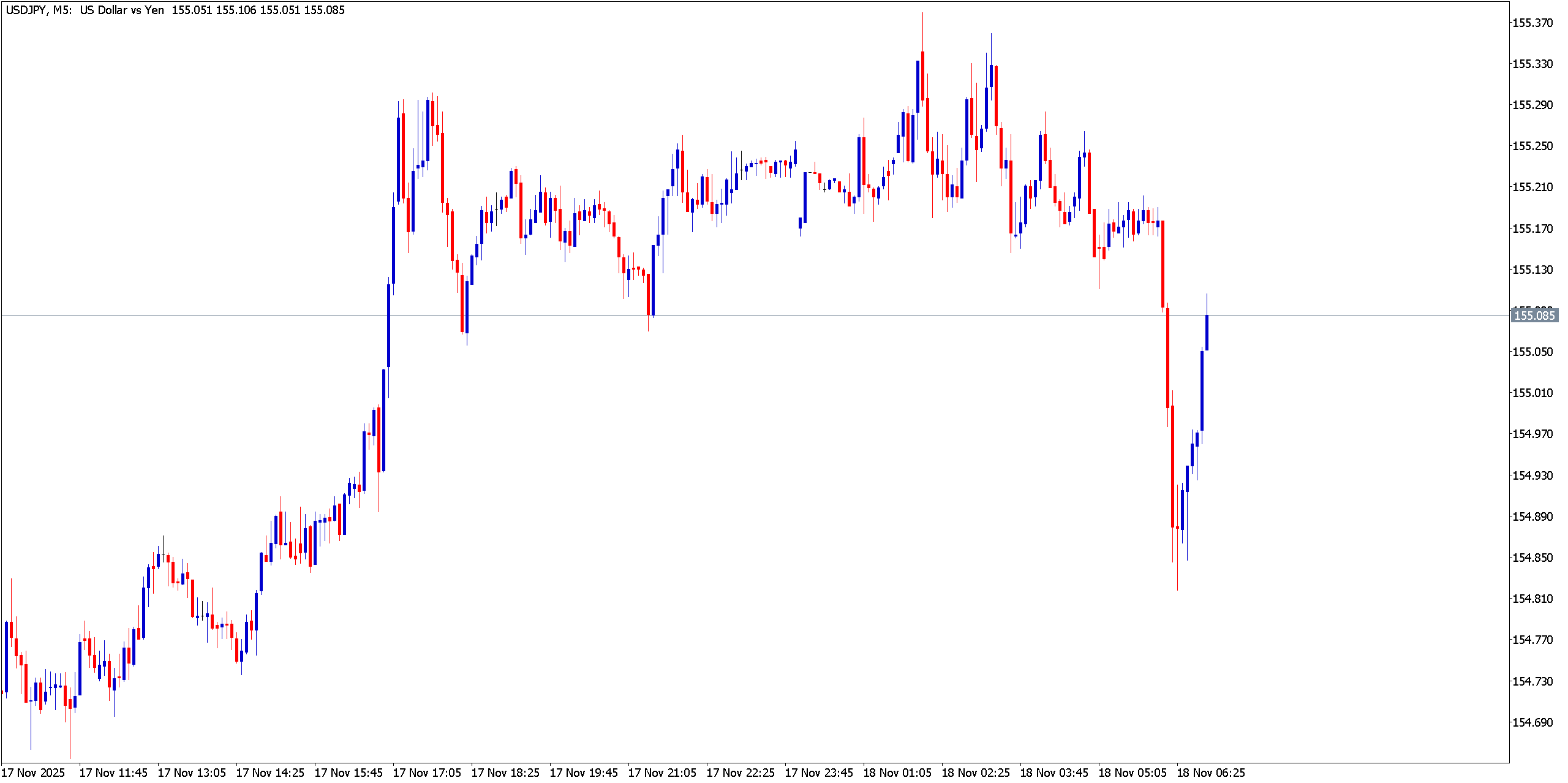
USD/JPY suffered another major decline, falling as much as 1.1% to 156.68 before settling near 157.16.
Technically, this was particularly significant because Thursday’s recovery had taken the pair back toward 158.5, suggesting the intervention shock was beginning to fade. Friday reversed that recovery completely.
The pair is now developing a clear sequence of lower highs relative to July’s 163.99 peak. The intervention-driven 155.20 low remains major support, but a sustained break beneath that level would represent a much deeper deterioration in the long-term USD/JPY structure.
Meanwhile, rallies toward 158–160 are likely to face heavier selling because traders now have two reasons to resist dollar-yen upside: weaker U.S. rate expectations and demonstrated intervention risk.
Fundamental Analysis
The payroll report attacked the most important pillar supporting USD/JPY: the U.S. yield advantage.
If the Fed pauses rather than raises rates in September, Treasury yields can fall further and the carry advantage of holding dollars over yen becomes less attractive.
This comes at exactly the moment Tokyo and Washington have demonstrated a willingness to intervene jointly. The combination is much more powerful than intervention alone. Authorities can rarely overcome fundamentals permanently, but if fundamentals themselves start turning, through weaker U.S. employment and falling yields, the intervention can become much more durable.
Friday therefore represented potentially the first serious macro challenge to the USD/JPY uptrend in months.
EUR/USD
Technical Analysis
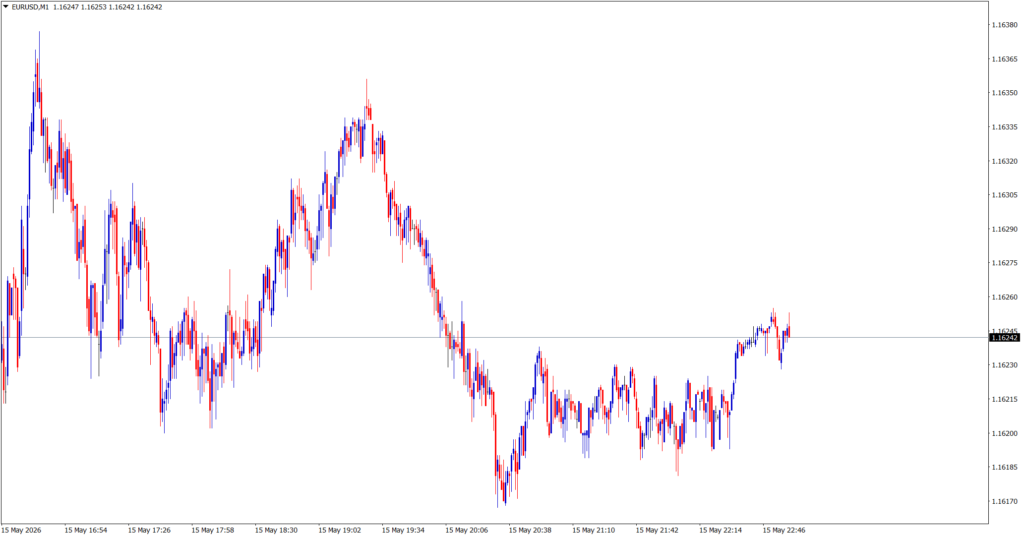
EUR/USD rallied as the dollar sold off following the payroll shock. Reuters reported the euro strengthening against the greenback after the employment report.
Technically, the pair’s recovery above the 1.15 area gained credibility. The dollar’s inability to hold Thursday’s rebound meant EUR/USD once again shifted toward the upper end of its recent range.
A clean break through recent resistance would strengthen the case for a more durable medium-term euro recovery.
Fundamental Analysis
The euro’s move was primarily about U.S. weakness rather than dramatic eurozone strength.
The payroll report substantially weakened the argument for Fed tightening, reducing the yield advantage that supported the dollar throughout much of June and July.
At the same time, the eurozone benefits if softer U.S. growth reduces global oil demand and keeps energy prices contained. Europe remains one of the developed regions most exposed to imported energy inflation, so any durable reduction in oil pressure improves its relative economic position.
However, EUR/USD’s upside may still be limited if U.S. inflation remains stubborn. Fed officials remain divided, and Reuters noted that some policymakers continue to favor tighter policy because June PCE inflation remained around 3.7%, well above target.
So Friday weakened the Fed-hike thesis considerably, but it did not eliminate inflation risk.
USD/CAD
Technical Analysis
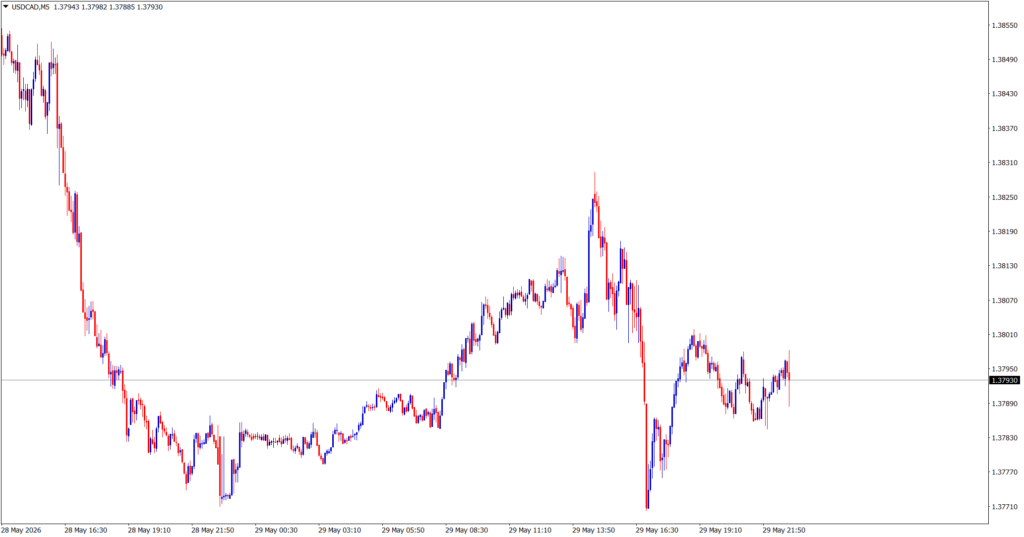
USD/CAD fell sharply as the Canadian dollar strengthened roughly 0.6% to 1.3935 per U.S. dollar, its strongest level since June 11.
Technically, this was one of the cleaner pair moves of the day because both sides of the equation favored CAD: U.S. data disappointed while Canadian labor data surprised positively.
The move broke the pair lower from its recent consolidation and reinforced the importance of the 1.40 area as a major pivot.
Fundamental Analysis
The Canadian dollar had an unusually favorable relative macro setup.
The U.S. lost 23,000 jobs, while Canadian employment beat expectations. That narrowed the U.S.-Canada yield differential and strengthened the argument that Canada’s domestic recovery was becoming more durable.
A Reuters poll published the previous day had already shown analysts expecting Canada’s currency to remain broadly stable near 1.40 over the next three months before strengthening toward 1.366 over a one-year horizon as the domestic economy recovered.
Friday’s jobs data strengthened that case.
Oil remained a source of uncertainty, but unlike earlier in the year, CAD did not need higher crude to outperform because the relative labor-market data were so favorable.
Market Outlook
Aug. 7 may prove to be a turning point for the dollar if subsequent U.S. data confirm that the labor market is losing momentum.
The key implications are:
- Fed policy: September tightening is no longer the base case for many investors. Markets cut hike odds sharply after the jobs report.
- USD/JPY: intervention is now working alongside softer U.S. fundamentals rather than against them, making yen recovery potentially more durable.
- EUR/USD: the pair has regained support above 1.15, although future gains depend on U.S. inflation continuing to cool.
- USD/CAD: Canada’s stronger employment data provide the loonie with a domestic catalyst that had been missing through much of the summer.
- Global markets: lower yields and reduced Fed-hike fear supported equities, with the S&P 500 reaching a record close and world stocks recording their strongest weekly advance in about three months.
The central macro question going into the following week is whether July’s employment weakness represents a temporary hiring slowdown or the beginning of a broader deterioration in the U.S. economy. Upcoming CPI and PPI data will be equally important: weak employment argues against tightening, but persistent inflation could leave the Fed caught between its employment and price-stability objectives.