


Monday opened one of the most important central-bank weeks of the summer with a dramatic reversal in the geopolitical trade that had supported the dollar through much of July. A pause in U.S. bombing of Iran sent oil prices sharply lower and encouraged investors to reduce some of the defensive positions accumulated during the latest Middle East escalation. Brent crude fell roughly 8%, immediately easing concerns that another energy shock would force central banks to tighten policy more aggressively.
The FX response was relatively orderly rather than explosive. The dollar traded softer against both the euro and yen as declining oil reduced its inflation and safe-haven premium. That distinction was important. Throughout July, dollar strength had increasingly relied on two interconnected ideas: renewed Middle East conflict could keep energy inflation elevated, and higher inflation could force the Federal Reserve to raise rates again. Monday weakened both arguments simultaneously.
Yet investors were unwilling to push the greenback dramatically lower because the Federal Reserve’s July meeting was only days away. Markets still assigned roughly a one-in-three probability to a 25-basis-point Fed hike during the week, while elevated longer-term U.S. yields continued making dollar assets attractive. The result was a softer dollar, but not a wholesale reversal of the broader July trend.
The yen remained the most politically sensitive major currency. USD/JPY hovered around 163.7, only marginally below the four-decade extremes reached the previous week. Japan’s repeated verbal warnings had produced little lasting improvement, and traders increasingly questioned whether the Ministry of Finance had missed its best window for direct intervention. Reuters noted that the BOJ was expected to keep the door open to further rate hikes at its upcoming meeting, though the timing would likely remain deliberately vague.
Sterling, meanwhile, benefited modestly from the oil collapse. UK markets reduced expectations for additional Bank of England tightening as crude fell, because Britain’s energy-driven inflation outlook suddenly appeared less threatening. The BoE was expected to leave Bank Rate unchanged at 3.75%, with June inflation having already slowed to a 15-month low of 2.6%.
Against that backdrop, July 27 became less a simple “dollar-down” session and more a recalibration ahead of an unusually dense week of monetary-policy decisions.
EUR/USD
Technical Analysis
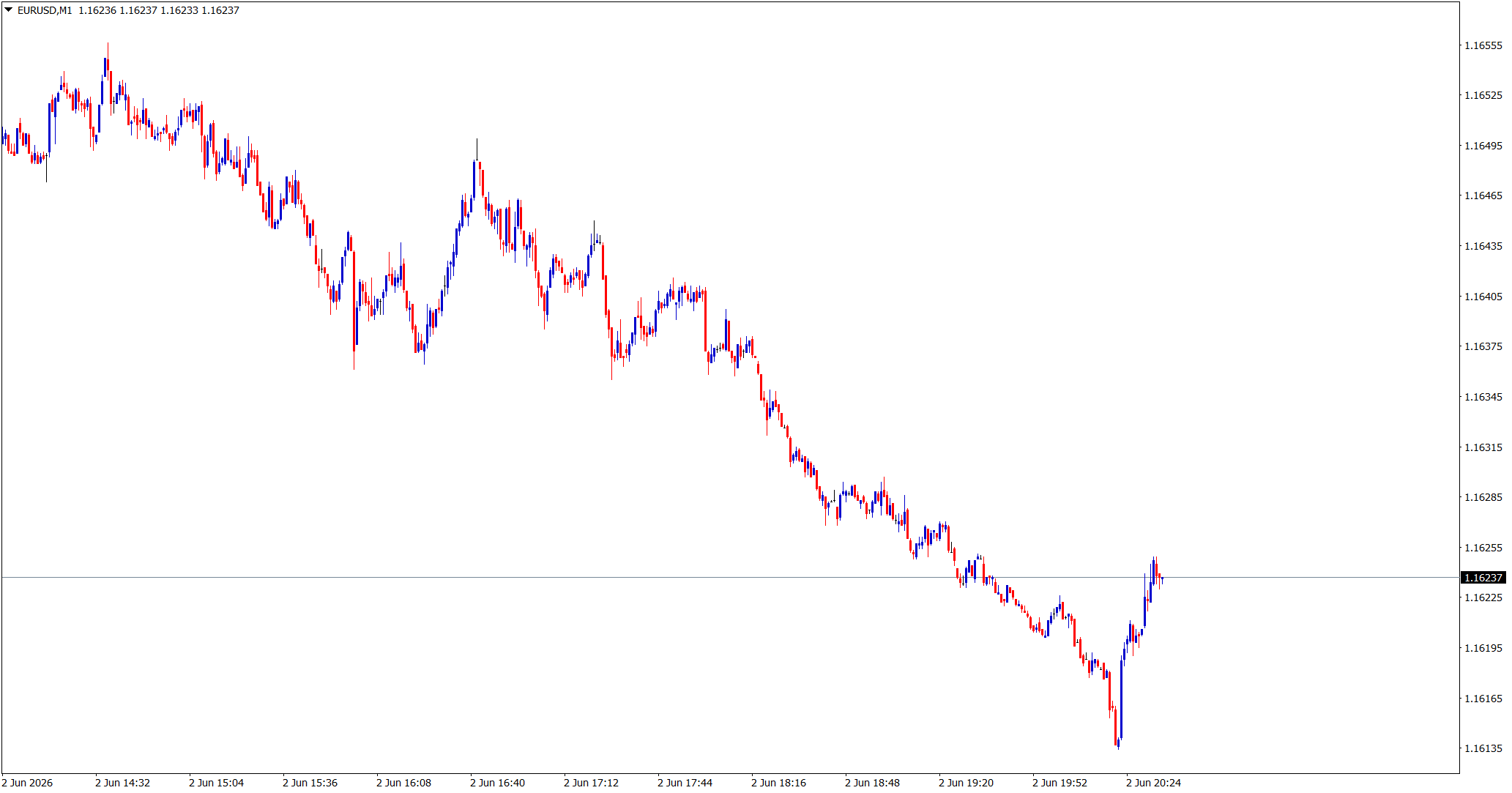
EUR/USD recovered modestly as the dollar’s geopolitical premium faded. The pair moved away from the weakest levels reached during the prior week’s dollar rally and attempted to rebuild support near the lower portion of its July range.
Technically, the move was constructive but still tentative. EUR/USD had been damaged by weeks of higher U.S. yields and growing Fed-hike expectations, meaning one softer-dollar session was not enough to restore a convincing bullish trend. Buyers were returning, but they were doing so cautiously ahead of the Fed.
The most important technical feature was the pair’s ability to avoid extending lower despite the dollar remaining close to recent highs. That suggested euro sellers were beginning to take profit as oil and inflation expectations turned lower.
Momentum indicators had also stopped deteriorating. The pair appeared to be transitioning from bearish continuation into short-term stabilization, though a sustained move through nearby resistance would still be needed before describing the structure as genuinely bullish.
Fundamental Analysis
Lower oil was clearly positive for the euro. The euro area remains a major net energy importer, so an 8% decline in Brent reduces both imported inflation and the pressure high energy costs place on consumers and manufacturers. Europe therefore gained more from Monday’s crude collapse than the U.S. economy did.
The other side of the pair remained more complicated. Even as oil dropped, the Fed was still considered capable of tightening because U.S. inflation remained above target and economic activity had proven resilient. Markets were therefore not ready to abandon the dollar’s yield advantage.
That left EUR/USD dependent on the upcoming Fed decision. If Chair Kevin Warsh signaled that falling oil had reduced the urgency for another hike, the euro could extend its recovery. If he emphasized persistent underlying inflation instead, the dollar’s yield advantage could quickly reassert itself.
GBP/USD
Technical Analysis
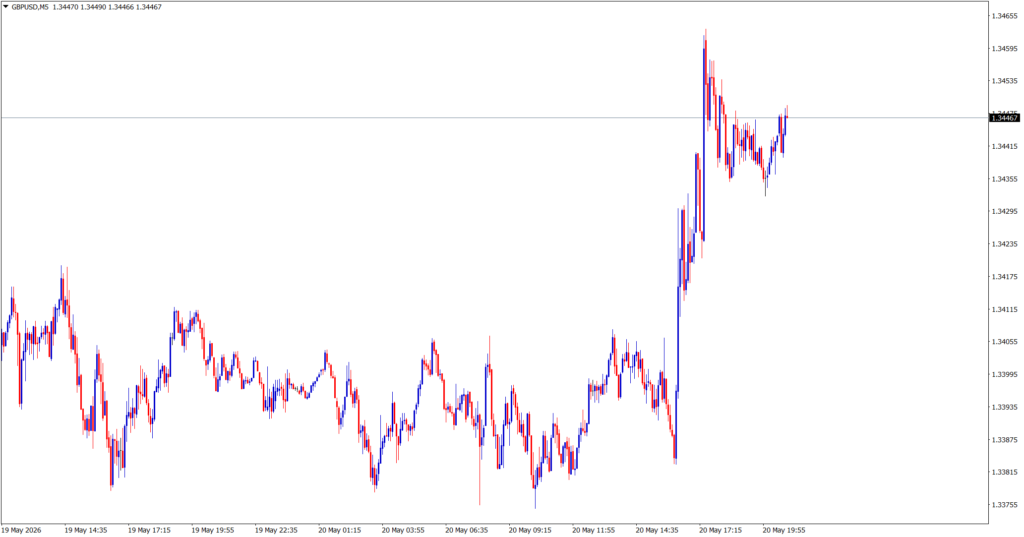
GBP/USD edged higher toward the low-$1.33 region as sterling benefited from both softer dollar demand and reduced energy anxiety. Reuters reported the pound at approximately $1.3330, while sterling also strengthened against the euro.
Technically, the pair’s move was relatively modest but significant because sterling had spent much of July struggling against renewed dollar strength. The ability to stabilize ahead of the BoE suggested that short positioning was becoming less aggressive.
The structure remained range-bound rather than convincingly bullish. GBP/USD needed to reclaim higher July resistance before the recent decline could be considered reversed. Still, Monday’s price action reduced immediate downside pressure.
Fundamental Analysis
The oil collapse was particularly relevant for the UK. Brent had recently traded above $100, raising fears that imported energy inflation could force the Bank of England to hike despite weak growth. Monday’s drop toward the high-$80s substantially reduced that pressure.
Two-year gilt yields fell around 6 basis points as investors scaled back the probability of additional BoE tightening, while markets became roughly evenly divided over whether another hike would occur in September. Ordinarily, less hawkish policy expectations might weaken sterling. In this instance, however, the shift was relatively supportive because it reflected reduced stagflation risk rather than collapsing domestic demand.
Politics also mattered. New Prime Minister Andy Burnham and Finance Minister John Healey were signaling continuity with a pro-growth financial agenda, helping reduce some of the fiscal uncertainty that had previously weighed on sterling. Net speculative bearish positions in the pound had also declined for a fourth consecutive week.
USD/JPY
Technical Analysis
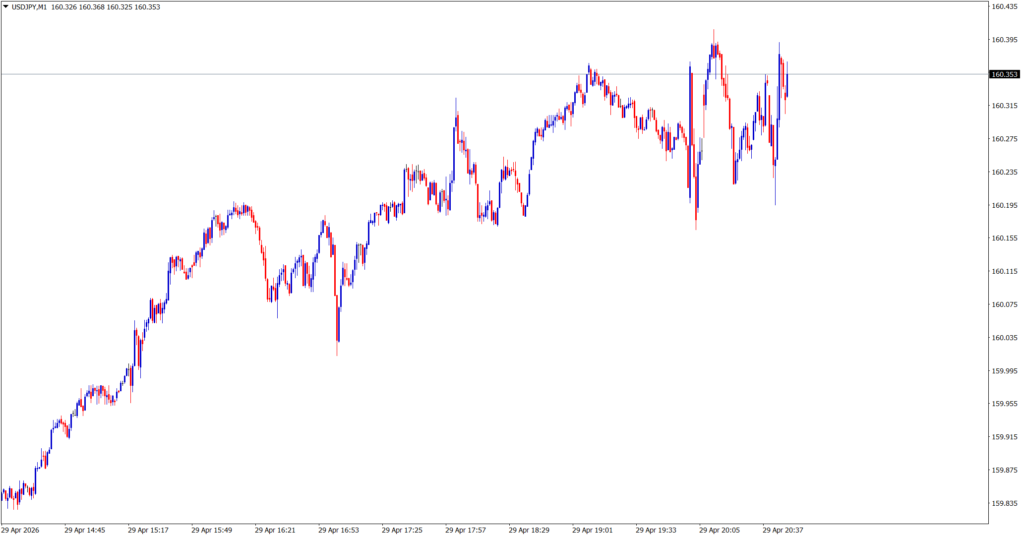
USD/JPY remained around 163.7, barely below four-decade highs. The pair’s resilience despite softer oil and a modestly weaker dollar was one of Monday’s most important technical signals.
The trend remained overwhelmingly elevated, but momentum was becoming increasingly stretched. Repeated intervention warnings had failed to trigger a durable correction, encouraging traders to test Tokyo’s tolerance.
The pair remained above all major medium-term trend supports. Yet at these levels, technical analysis cannot be separated from policy risk. A sudden intervention could generate a multi-yen decline in minutes regardless of chart structure.
Resistance remained concentrated around the 164–165 zone, while a meaningful break below 160 would be required to suggest the long-term trend was finally losing control.
Fundamental Analysis
Japan remained trapped between currency weakness and monetary-policy constraints. The government wanted a stronger yen because depreciation was raising the cost of imported food and energy, but the BOJ could not tighten aggressively without potentially destabilizing bond markets and an economy already burdened by enormous public debt.
The drop in oil helped Japan because roughly 90% of its energy is imported. That reduced one of the fundamental pressures hurting the yen. But the U.S.-Japan yield differential remained wide enough to keep carry trades attractive.
The approaching BOJ meeting added another layer. Policymakers were expected to leave room for additional hikes as domestic price pressures built, but markets doubted officials would provide a firm timetable. That ambiguity continued favoring USD/JPY buyers.
Market Outlook
July 27 showed that lower oil could weaken the dollar without completely overturning its broader yield advantage. Markets were moving away from the worst Middle East inflation scenario, but the decisive test would come from central banks.
For now:
- EUR/USD was stabilizing as Europe benefited from cheaper energy.
- GBP/USD gained as oil’s collapse reduced UK stagflation fears ahead of the BoE.
- USD/JPY remained near historic highs because rate differentials continued overwhelming intervention threats.
- The Fed, BoE and BOJ were now positioned to determine whether Monday’s softer-dollar move would become a broader trend or simply a temporary correction.