


Thursday produced the dramatic currency event markets had been anticipating for weeks.
After allowing the yen to weaken toward four-decade lows near 164 per dollar, Japanese authorities finally entered the market with large-scale yen-buying, dollar-selling intervention during New York trading. USD/JPY plunged as much as 3% to around 158.34, while later market estimates suggested the pair finished down roughly 2.5%.
The size and timing of the move were deliberate. Japanese authorities acted immediately before the Bank of Japan’s policy meeting, maximizing uncertainty for speculative yen shorts that had become increasingly comfortable ignoring verbal intervention threats. Trading volumes surged, and the speed of the decline strongly suggested official involvement even before confirmation emerged.
The broader dollar also came under pressure after U.S. inflation data showed price growth slowing in June. That development weakened expectations of an imminent Fed hike only one day after policymakers had decided to leave rates unchanged. Reuters reported the dollar index falling roughly 1%, with the euro climbing around 0.6% to $1.153.
Yet bond markets remained uneasy. The 30-year Treasury yield climbed another 7 basis points to roughly 5.24%, its highest level since the mid-2000s. The combination of softer near-term inflation and sharply rising long-term yields reflected growing concern around U.S. fiscal supply and long-run inflation credibility even as immediate Fed-hike odds fell.
Technology markets swung violently as well. Microsoft surged more than 15%, chip shares rebounded sharply, and the semiconductor index gained around 8%, while Meta remained under pressure. This rebound in AI-linked equities improved risk appetite and reduced some defensive demand for the dollar.
In Britain, the Bank of England held rates at 3.75%. The decision was more hawkish in voting terms than expected — a 6–3 split, with three policymakers preferring a hike — but the Bank emphasized limited evidence that the Iran-driven oil shock was generating broader domestic inflation. Markets therefore trimmed expectations for additional BoE tightening, pushing UK yields lower and limiting sterling’s performance.
USD/JPY
Technical Analysis
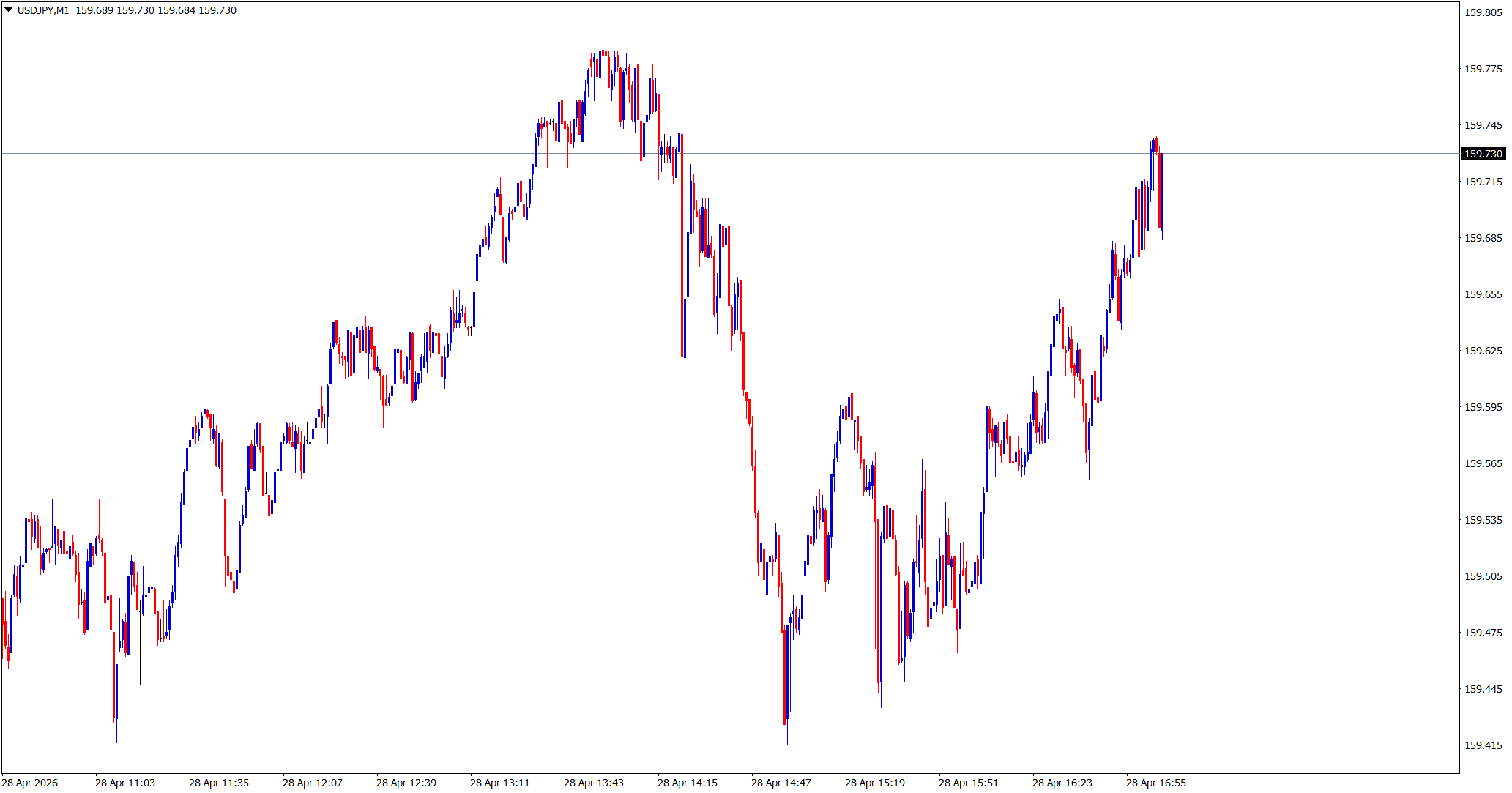
USD/JPY collapsed from near 164 to below 159 in one of the largest single-day moves of the year.
Technically, this was a major break in the prevailing trend. The pair had spent months rewarding every dip buyer, but Thursday demonstrated that the structure could be violently interrupted by official action.
The drop through 160 was especially important because that level had acted as both psychological support and a marker of persistent dollar dominance. Once it failed, leveraged long-dollar positions were forced to liquidate, amplifying the intervention.
The immediate technical structure shifted from bullish continuation to extreme volatility. The 158–159 region emerged as first support, while 160–162 became potential resistance on any rebound.
Still, one intervention session does not necessarily end a multi-year trend. The durability of the decline would depend heavily on what the BOJ said the following day and whether U.S.-Japan yield differentials began narrowing.
Fundamental Analysis
Japan intervened because currency depreciation had become economically and politically intolerable. The yen’s slide increased the cost of imported food and fuel at exactly the moment the Iran conflict had already pushed global energy costs higher.
Reuters later reported that Japan conducted yen-buying, dollar-selling intervention during New York trading, its first such operation in roughly three months.
The timing reflected a strategic calculation. Acting before the BOJ meeting increased uncertainty and prevented speculators from confidently rebuilding yen shorts before hearing from Governor Kazuo Ueda.
However, intervention alone does not solve the structural issue. Japan still has lower interest rates than the United States, and its expansionary fiscal stance limits how rapidly the BOJ can tighten.
For the yen rally to become durable, traders would need either a more hawkish BOJ, lower U.S. yields, or repeated coordinated intervention.
EUR/USD
Technical Analysis
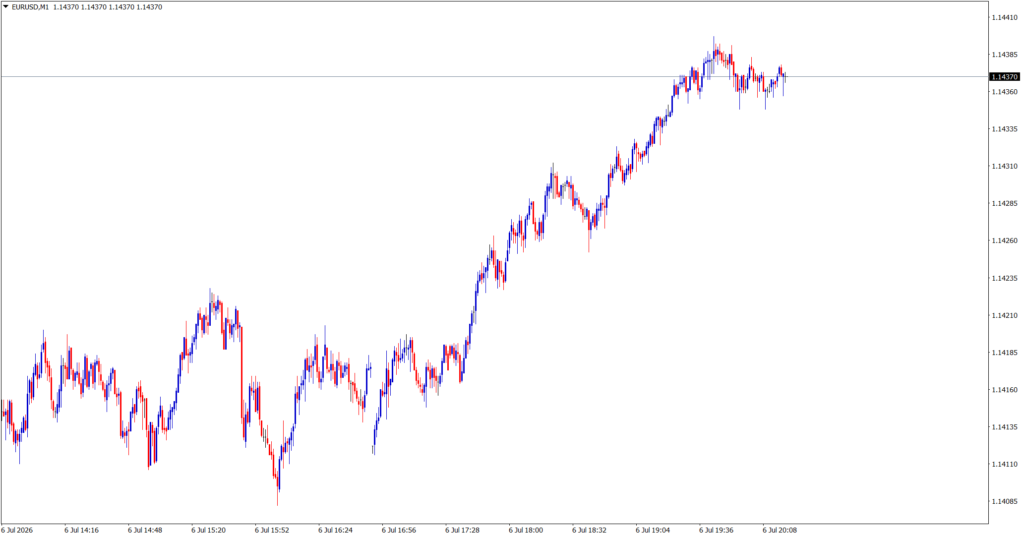
EUR/USD surged toward $1.153, benefiting from broad dollar selling after softer U.S. inflation and the yen intervention shock.
Technically, this was the pair’s strongest session in weeks. The move above the mid-1.14s invalidated several bearish short-term signals and pushed EUR/USD toward a more constructive recovery structure.
The pair still faced resistance above recent highs, but the combination of softer U.S. inflation and reduced Fed-hike expectations substantially improved momentum.
Fundamental Analysis
The euro benefited primarily from the U.S. side of the pair. Slower inflation made another Fed hike less urgent, while Japanese intervention triggered broader dollar liquidation.
Europe still faced risks from high oil and weak industrial growth, but those issues were temporarily overshadowed by the policy shift in the U.S. and Japan.
Another important factor was that euro-area assets looked relatively less pressured as the Fed’s near-term tightening risk declined. Falling short-end U.S. expectations narrowed the dollar’s rate advantage, giving EUR/USD room to rally even though the ECB itself had not turned more hawkish.
GBP/USD
Technical Analysis
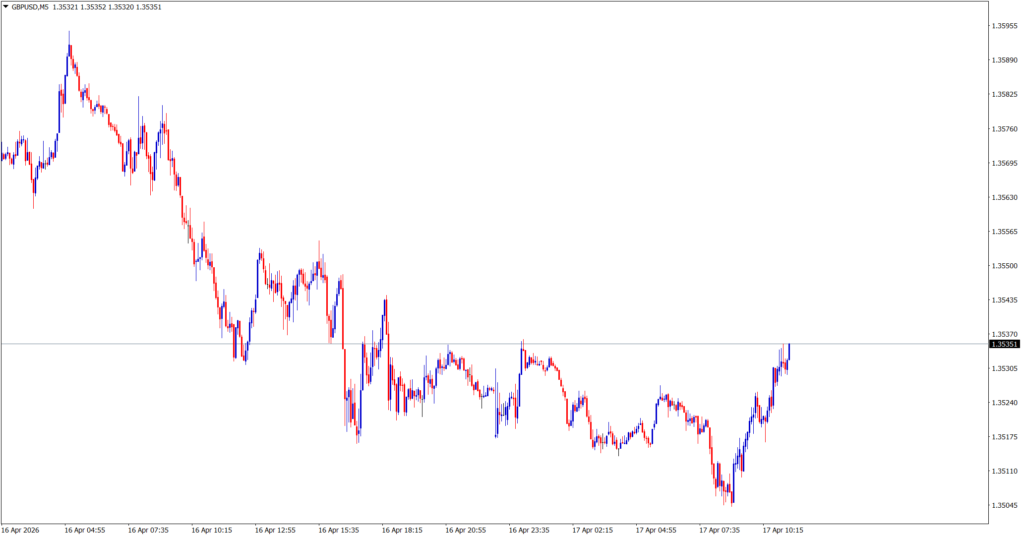
Sterling’s response was more muted than the euro’s because the BoE decision generated a countervailing local headwind.
GBP/USD initially benefited from broad dollar weakness but struggled to sustain the move. The pair remained above recent lows, yet its relative underperformance versus EUR/USD was notable.
Technically, this left sterling in consolidation rather than clean recovery.
Fundamental Analysis
The Bank of England held rates at 3.75%, with three members voting for a hike. That was more hawkish than the 7–2 split expected by economists, but the Bank’s message mattered more than the vote count. Officials said there were limited signs that the Iran-related oil shock was spreading broadly through the UK economy.
Markets therefore slightly reduced expectations for future tightening. UK borrowing costs fell, and sterling dipped despite the seemingly hawkish vote.
This highlights an important distinction: a central bank can have more hawkish dissents while still delivering an overall message that reduces the probability of imminent tightening.
Market Outlook
July 30 fundamentally changed the yen trade.
- USD/JPY experienced the long-awaited intervention shock and fell more than 2%.
- EUR/USD benefited from softer U.S. inflation and broader dollar liquidation.
- GBP/USD was restrained by reduced BoE-hike expectations despite dollar weakness.
- Long U.S. yields remained extremely high, showing that dollar-negative short-term policy expectations were coexisting with longer-term inflation and fiscal concerns.
The crucial question was whether the BOJ would reinforce the intervention with a genuinely hawkish message on July 31.