


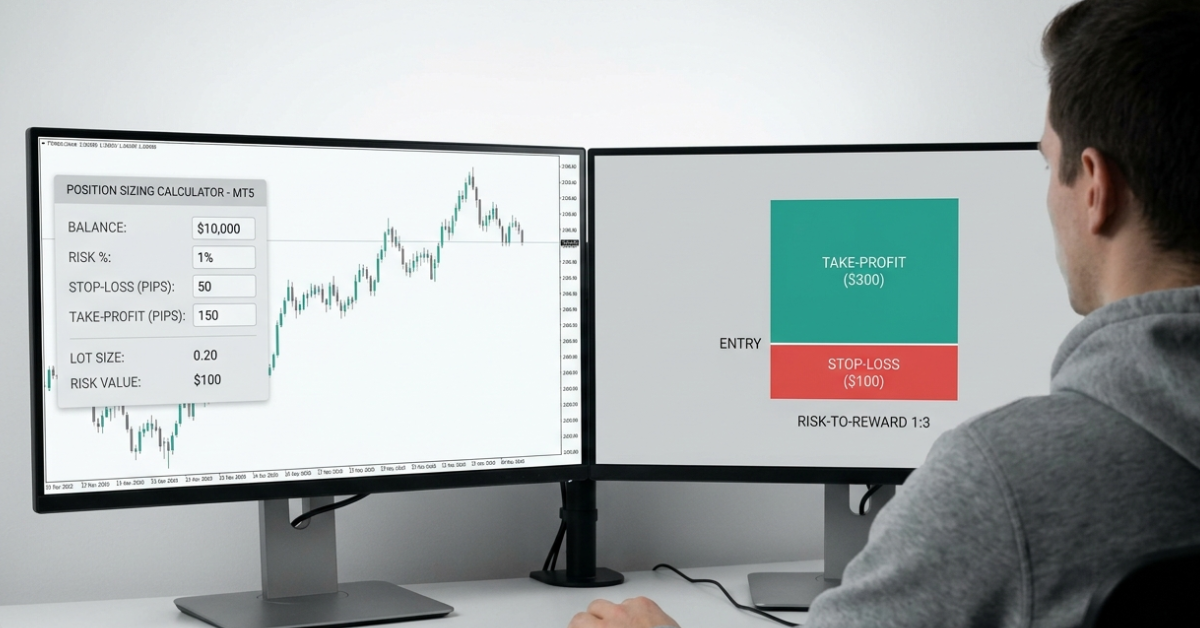
The 11am rule in trading is the idea that if a market has established a clear trend by around 11:00 a.m. (local market time), that trend is more likely to continue for the rest of the trading session. While it is not an official trading rule or guarantee, many day traders use it as a guideline to avoid the high volatility that often occurs immediately after the market opens.
Key Takeaways
- The 11am rule is an unofficial trading guideline used primarily by day traders.
- It suggests waiting until around 11:00 a.m. before making trading decisions if the market direction is unclear.
- The rule helps traders avoid the unpredictable volatility seen during the market open.
- It is commonly used when trading stocks, indices, and ETFs.
- The 11am rule works best when combined with technical analysis and risk management.
Why Is It Called the 11am Rule?
The first hour or two after the stock market opens is usually the most volatile period of the trading day. During this time, institutional investors, hedge funds, and retail traders all react to overnight news, earnings reports, economic data, and global events.
By around 11:00 a.m., much of this initial volatility has settled. Traders often have a clearer picture of market sentiment, making it easier to identify whether buyers or sellers are in control.
The 11am rule is based on the belief that patience can lead to better trading decisions by avoiding the uncertainty of the opening session.
How Does the 11am Rule Work?
The basic concept is simple.
Instead of entering trades immediately after the market opens, traders observe how prices behave during the morning. If the market establishes a clear trend by around 11:00 a.m., they may look for trading opportunities in that direction.
For example, consider a scenario where the US100 experiences sharp price swings in the first 30 minutes after opening. Rather than reacting immediately, a trader waits until 11:00 a.m. If the index has formed higher highs and higher lows by that time, the trader may consider buying pullbacks instead of chasing early price movements.
Similarly, if the market has been steadily declining throughout the morning, traders may look for selling opportunities instead of attempting to buy against the trend.
This approach encourages discipline and reduces emotional decision-making.
Why Do Traders Wait Until 11am?
There are several reasons why waiting until later in the morning can improve trade quality.
Reduced market noise
Opening sessions often contain sudden price spikes caused by overnight orders and news releases. Many of these movements reverse quickly, trapping impatient traders.
Clearer trend direction
As the morning progresses, the market often develops a more defined trend. This makes technical analysis easier and improves trade planning.
Lower emotional trading
Many beginners feel pressure to trade immediately after the market opens. Waiting until 11:00 a.m. encourages patience and reduces impulsive decisions.
Better risk management
Once volatility stabilizes, traders can often place stop-loss orders more accurately because price movements become less erratic.
Success Tip: Sometimes the best trade is the one you don’t take. Waiting for confirmation can improve the quality of your trading decisions more than entering the market as early as possible.
Does the 11am Rule Work for Index Trading?
Yes, many index traders apply the 11am rule when trading popular markets such as the US30, US100, S&P 500, FTSE 100, and DAX 40.
Indices frequently experience high volatility shortly after their respective market opens. Waiting until the morning trend becomes clearer can help traders avoid false breakouts and sudden reversals.
For example:
| Index | Active Session | Can the 11am Rule Apply? |
| US30 | U.S. Session | Yes |
| US100 | U.S. Session | Yes |
| S&P 500 | U.S. Session | Yes |
| FTSE 100 | London Session | Yes |
| DAX 40 | European Session | Yes |
The exact time depends on the market you’re trading. For European indices like the DAX 40 or FTSE 100, traders often apply the same principle during the European morning rather than strictly using 11:00 a.m. U.S. time.
When Should You Avoid Using the 11am Rule?
Although the 11am rule can be useful, it does not work under every market condition.
Days with major economic announcements, Federal Reserve decisions, inflation reports, or unexpected geopolitical events can create volatility throughout the entire trading session.
Likewise, earnings releases from large companies such as Apple, Microsoft, NVIDIA, Amazon, or Meta can continue influencing indices long after the morning session.
On these days, traders should remain flexible instead of relying solely on time-based rules.
Indicators That Work Well With the 11am Rule
The 11am rule becomes more effective when combined with technical indicators that confirm trend direction.
Many traders use:
- Moving Averages to identify the overall trend.
- RSI to measure momentum.
- MACD to confirm trend strength.
- Volume to validate breakouts.
- ATR to assess current volatility.
Instead of relying on time alone, these indicators provide additional evidence that supports a trading decision.
Advantages And Disadvantages Of The 11AM Rule
Like any trading strategy, the 11am rule has strengths and limitations.
| Advantages | Disadvantages |
| Reduces emotional trading | May miss early profitable moves |
| Avoids opening volatility | Doesn’t work every trading day |
| Encourages patience | Less effective during major news events |
| Helps identify stronger trends | Should not be used alone |
Understanding both the benefits and limitations helps traders apply the rule more effectively.
5 Tips for Using the 11am Rule Successfully
Successful traders don’t simply wait until 11:00 a.m. and enter a trade automatically. Instead, they use that time to evaluate whether the market has developed a clear direction.
Some practical tips include:
- Review the economic calendar before the market opens.
- Identify key support and resistance levels.
- Wait for confirmation rather than guessing.
- Follow the prevailing trend whenever possible.
- Use stop-loss orders on every trade.
Patience often improves trade quality more than increasing the number of trades placed each day.
Trade With Confidence Using the Right Trading Platform
Time-based strategies like the 11am rule work best when combined with rapid execution, reliable charts, and professional trading tools.
Whether you’re trading the US30, US100, S&P 500, FTSE 100, or DAX 40, Defcofx provides access to global indices through MetaTrader 5. Traders benefit from spreads starting from 0.3 pips, commission-free trading, leverage of up to 1:2000, and withdrawals processed within four business hours, allowing them to react efficiently as trading opportunities develop.
Ready to test the 11am rule on live markets? Open a DefcoFX account and trade major global indices on MetaTrader 5 with competitive spreads, fast execution, and powerful charting tools designed to support your trading strategy.
Open a Live Trading Account
4 Mistakes Common To Traders
The 11 a.m. rule is misunderstood and misused by many traders. Here are the most common mistakes not to make:
Treating the 11 a.m. Rule as a Guaranteed Signal
The 11 a.m. rule is a rule of thumb, not an absolute signal to buy or sell. That doesn’t mean if the market has no clear trend or setup for the day, you’ll be more successful waiting until 11:00 a.m.
Ignoring Major News Events
Economic news can cause markets to turn on a dime. And even the morning session can see a release that reverses the trend that had been established around quickly, such as an interest rate decision or inflation report.
Forcing Trades After Missing the Opening Move
Some traders get impatient if they missed the first market move and just enter trades because it is after 11:00 a.m. Trading is not trading the time but waiting for quality setups – and that is what makes you successful.
Neglecting Risk Management
A strong trend doesn’t cancel risk. Do not get carried away with the apparent direction of the market and skip stop loss orders or increase your position size. Each trade should be taken with proper risk management rules in place to help protect your capital.
Final Thoughts
Many traders adhere to the 11am rule, which states that they should not enter positions until the market has shown more clarity. Traders can potentially make better decisions and trade less emotionally if they can escape the erratic volatility that typically occurs just after the market begins. That said, you should never apply the rule on its own.
Trading indices and other financial markets become more balanced when you combine them with technical analysis, effective risk management, and awareness of economic developments.
Frequently Asked Questions
1. What is the 11am rule in trading?
The 11am rule suggests waiting until around 11:00 a.m. before entering trades if the market direction is unclear, allowing early volatility to settle.
2. Does the 11am rule always work?
No. It is a guideline rather than a guaranteed strategy. Market conditions, news events, and economic announcements can affect its effectiveness.
3. Can beginners use the 11am rule?
Yes. Many beginners find it helpful because it encourages patience and reduces the likelihood of trading during the most volatile part of the session.
4. Is the 11am rule useful for index trading?
Yes. Many traders apply it when trading indices such as the US30, US100, S&P 500, FTSE 100, and DAX 40 to avoid opening-session volatility.
5. What indicators should I combine with the 11am rule?
Moving Averages, RSI, MACD, ATR, and Volume indicators are commonly used to confirm trend direction and market momentum.
6. Why is the market more volatile before 11:00 a.m.?
The opening session reflects overnight news, institutional orders, earnings releases, and economic reports, all of which can create rapid price movements.
7. Should I trade immediately at 11:00 a.m.?
No. The goal is not to trade at exactly 11:00 a.m., but to wait until the market has developed a clearer trend before making a trading decision.