


Tuesday intensified every major theme established on Monday.
The United States launched another round of air strikes against Iranian targets, driving oil prices more than 4% higher and sending a fresh inflation shock through global bond markets. As traders contemplated the possibility of a sustained Middle East energy disruption, government borrowing costs climbed sharply across the United States, Europe and Japan.
The dollar index rose 0.27% to 99.68, while EUR/USD fell to approximately 1.1589 and GBP/USD dropped toward 1.3511. USD/JPY climbed back above 160 despite rising expectations that the Bank of Japan could tighten policy later in the month.
The global rates move was particularly significant.
Japan’s 10-year government bond yield touched 3% for the first time in roughly 30 years, while U.S. 10-year yields reached their highest level since January 2025. Rising yields were no longer a purely U.S. story. Investors across developed markets were demanding greater compensation for inflation risk, government borrowing and the possibility that central banks would need to remain tighter for longer.
Fed policy was becoming increasingly important. Futures markets placed the probability of a September increase at around 68%, compared with just 35% before Warsh’s Jackson Hole speech. Fed Governor Michael Barr added to the hawkish tone by saying rates should rise if inflation failed to cool sufficiently.
The dollar therefore benefited from a classic combination of higher yields, geopolitical risk and a more hawkish central bank.
EUR/USD
Technical Analysis
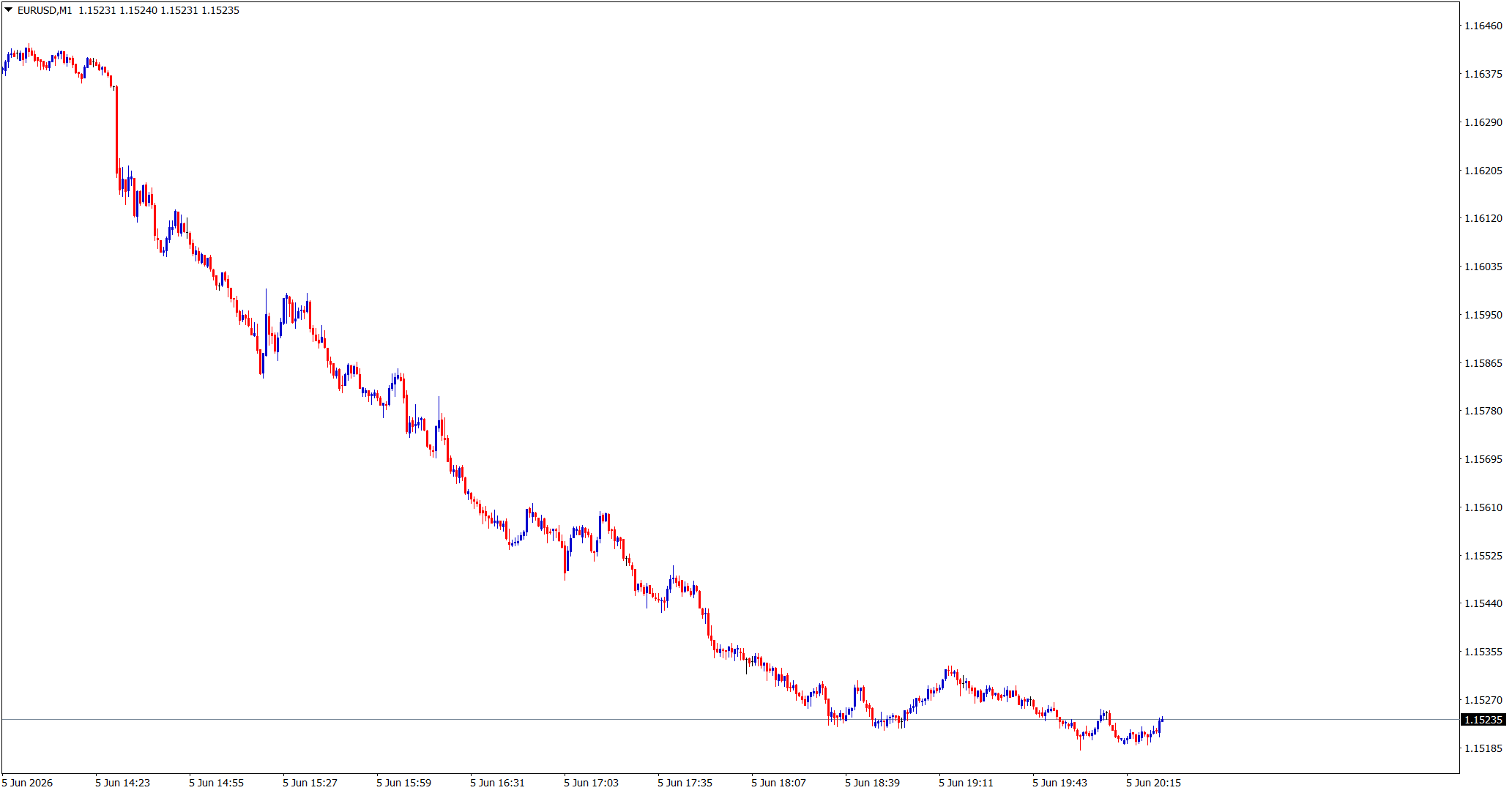
EUR/USD declined toward 1.1589, giving back part of its late-August recovery.
Technically, the pair remained above deeper summer support, but the failure to maintain momentum above the recent range showed that dollar demand was still strong whenever U.S. yields accelerated.
The 1.16 area remained an important near-term pivot. Sustained trading below it would increase the probability of a deeper correction, while recovery above the recent highs would be required to restore the bullish structure.
Momentum was therefore weakening, though not yet decisively bearish.
Fundamental Analysis
The euro had an uncomfortable combination of rising rates and deteriorating growth conditions.
Higher oil increased expectations that the ECB would tighten, which could theoretically support the currency through higher yields. But the source of those higher rates was an imported energy shock rather than stronger European demand.
This matters because higher ECB rates cannot solve an oil-supply disruption. They can only suppress second-round inflation by weakening demand.
As a result, markets were beginning to treat rising European yields less as a straightforward euro positive and more as evidence that the region was moving toward a stagflationary policy environment.
By contrast, the U.S. economy remained comparatively stronger, making the Fed better positioned to raise rates without immediately creating a recession.
That relative growth advantage favored USD.
GBP/USD
Technical Analysis
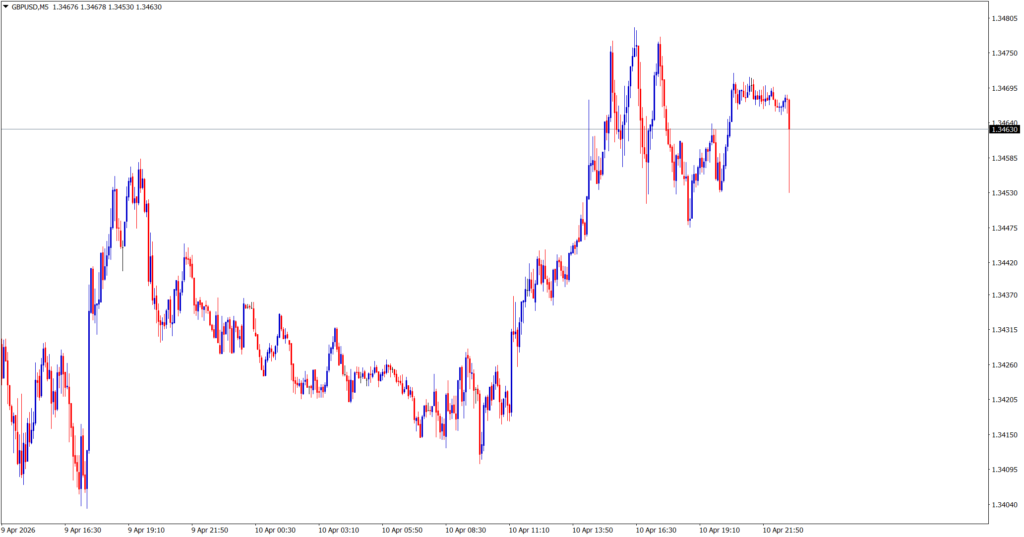
GBP/USD fell roughly 0.26% to $1.3511.
The move pushed sterling back toward the psychologically important 1.35 level.
Technically, this region had become a key dividing line. Sustained trading above it would preserve the summer recovery structure, while a break below could expose the mid-1.34s and potentially the August lows.
Sterling was not collapsing, but momentum clearly favored the dollar.
Fundamental Analysis
The pound faced essentially the same energy challenge as the euro.
Britain imports a substantial share of its energy, meaning higher oil increases headline inflation and squeezes households. That makes the Bank of England more reluctant to ease and potentially raises the probability of another hike.
However, UK growth and fiscal conditions are more fragile than in the United States.
This limits the extent to which higher gilt yields can support sterling. If investors view rate increases as a response to imported inflation rather than stronger growth, the currency can actually weaken despite higher yields.
Tuesday’s price action reflected exactly that tension.
USD/JPY
Technical Analysis
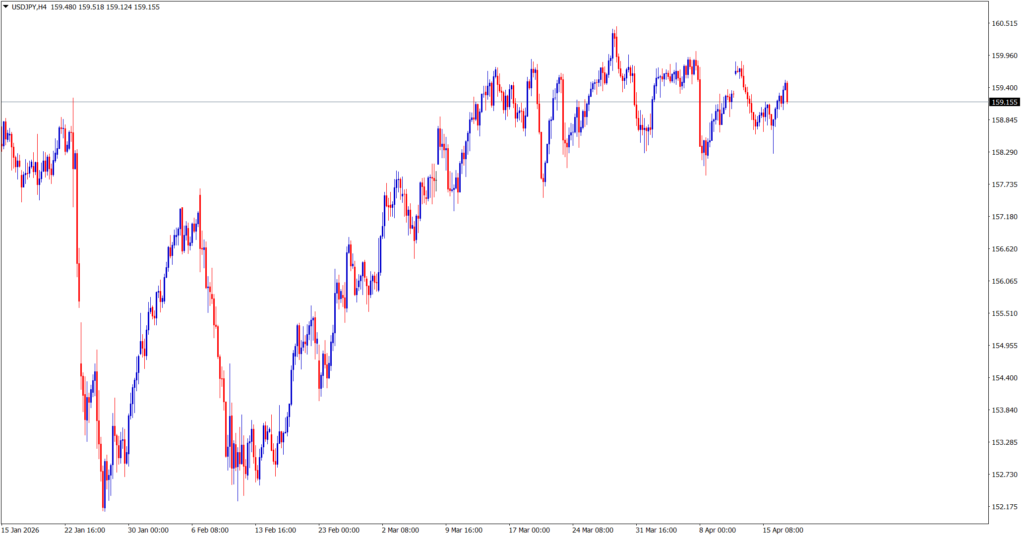
USD/JPY climbed roughly 0.3% to 160.19, reclaiming the 160 threshold after Monday’s decline.
Technically, the pair remained trapped between two powerful zones.
Above 160, speculative dollar demand remained strong because of the U.S.-Japan rate differential.
Below the market, however, intervention risk and BOJ tightening expectations continued to provide yen support.
The result was increasingly unstable consolidation.
A sustained break through 161 could encourage another test of intervention-sensitive territory, while a move below 158 would strengthen the argument that the yen had begun a more durable recovery.
Fundamental Analysis
The yen’s decline on Tuesday showed that the interest-rate differential had not disappeared.
Despite Japanese 10-year yields touching 3%, U.S. yields remained substantially higher and the Fed appeared likely to tighten again.
Markets also remained uncertain about how aggressively the BOJ would respond. Treasury Secretary Bessent had urged Tokyo to use monetary policy to strengthen the yen, but investors remained skeptical that Governor Kazuo Ueda would move quickly enough to offset the U.S. yield advantage.
Higher oil also harmed Japan’s terms of trade.
Thus, while the yen had several emerging structural supports, Tuesday reminded traders that the old bearish forces had not disappeared.
Market Outlook
September 1 reinforced the inflationary interpretation of the renewed Iran conflict.
- EUR/USD weakened as U.S. yields and the dollar rose.
- GBP/USD moved back toward 1.35 as UK energy and growth concerns increased.
- USD/JPY reclaimed 160 despite higher Japanese yields.
- Fed-hike expectations moved toward 70%, making Friday’s labor data even more important.
The market was increasingly preparing for a world in which energy inflation forces multiple central banks to tighten simultaneously.