


Tuesday brought an important monetary-policy decision from Australia alongside heightened uncertainty surrounding the U.S. midterm elections.
The Reserve Bank of Australia raised its cash rate by 25 basis points to 4.85%, an 18-year high. However, the decision was less hawkish than markets had anticipated because three of the nine board members preferred leaving rates unchanged.
The dollar index edged approximately 0.1% higher to 101.86, supported by stronger U.S. labor-market indicators. Job openings increased by 333,000 to 7.523 million, suggesting that labor demand remained resilient.
Oil prices were volatile as conflicting developments surrounding the Iran conflict complicated the outlook for global energy supplies. Reuters+1
Major Pairs Analysis
AUD/USD
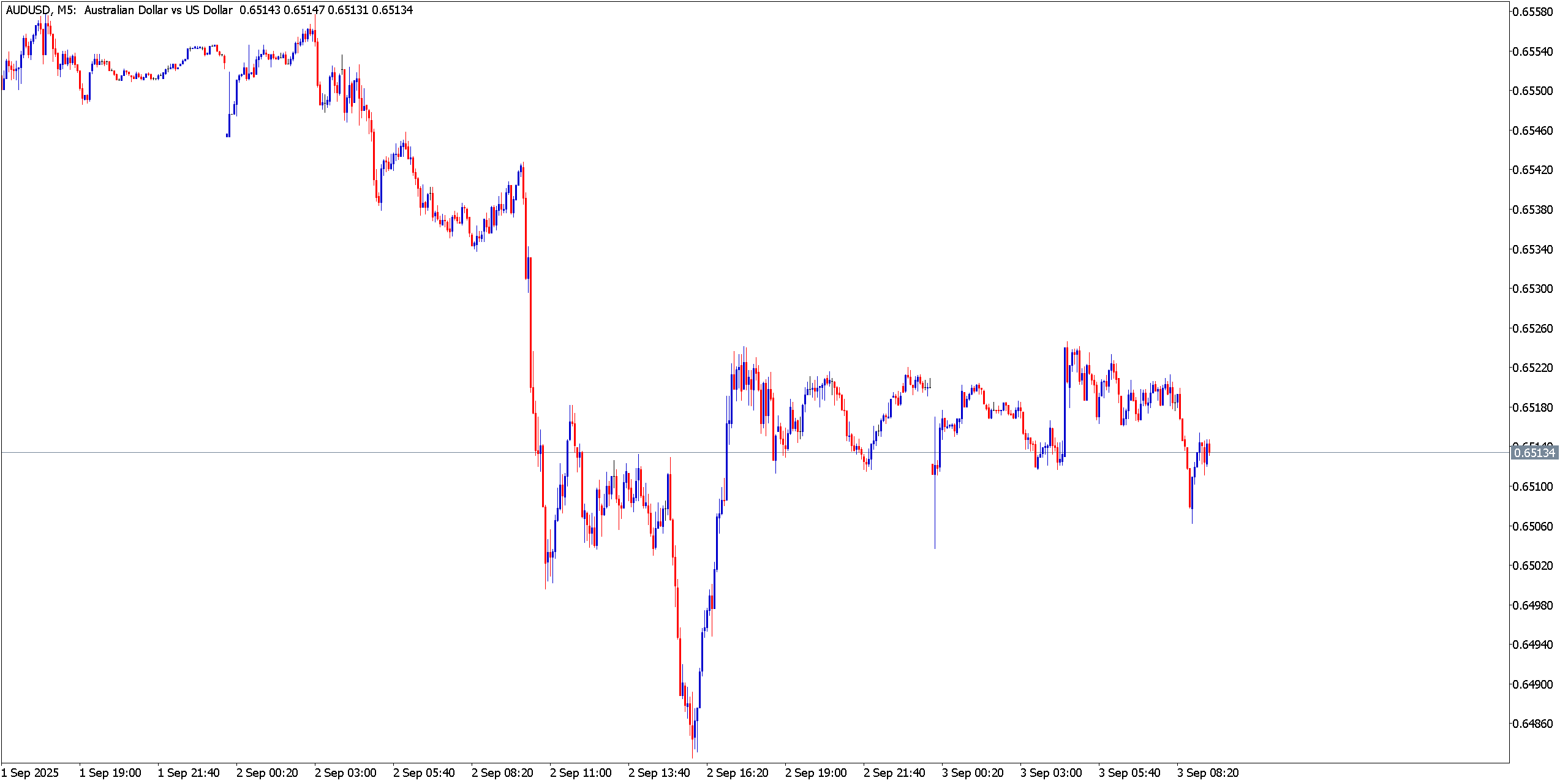
Technical Analysis: AUD/USD weakened despite the RBA’s rate increase. The inability to rally following a nominally hawkish decision suggested that investors were focusing on the possibility of a pause rather than the latest increase. Recovery above recent resistance would be needed to improve momentum.
Fundamental Analysis: The split RBA vote indicated growing caution about further tightening. Although Australia’s relatively high policy rate supported the currency, uncertainty about Chinese demand and global risk appetite remained important headwinds.
EUR/USD
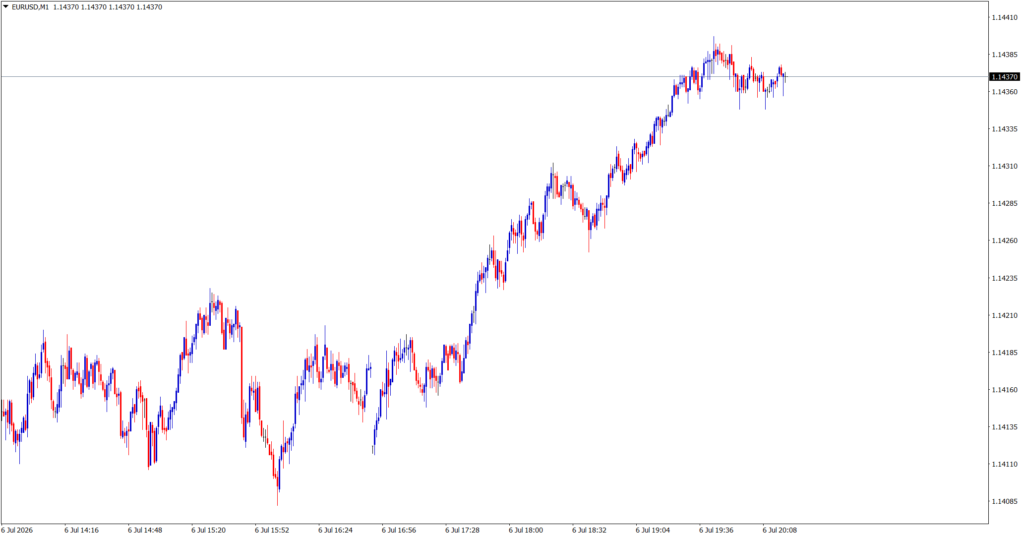
Technical Analysis: EUR/USD remained close to its recent lows, with limited directional momentum ahead of the U.S. election results. The 1.12 area remained an important technical reference.
Fundamental Analysis: European fiscal concerns and the relative strength of U.S. labor-market data limited euro demand. Investors were reluctant to establish large positions before the election outcome became clearer.
USD/JPY
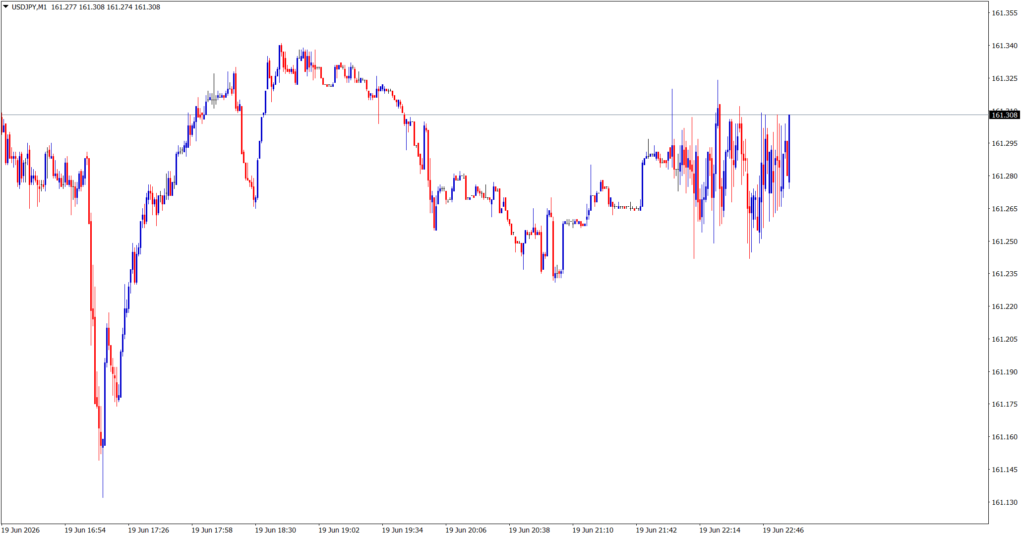
Technical Analysis: USD/JPY maintained a relatively firm position as the dollar strengthened modestly. A sustained move through recent resistance would support further gains, while lower U.S. yields could encourage a reversal.
Fundamental Analysis: Stronger U.S. labor indicators supported Federal Reserve tightening expectations. Japan’s comparatively gradual monetary normalization continued favoring the dollar, although the yen retained some defensive appeal.
Market Outlook
The election results were expected to become the next major catalyst. A change in congressional control could influence expectations for fiscal policy, technology regulation and U.S. economic growth.