


Tuesday was the day the week changed. Reuters reported that the dollar fell to its lowest level in a month after a temporary U.S.-Iran ceasefire triggered a relief rally in stocks and bonds, sharply improved global risk sentiment, and undercut the greenback’s safe-haven appeal. This was not a subtle move. It was the first session of the week in which markets clearly chose to remove a substantial part of the dollar’s war premium rather than merely question it. Oil expectations eased, rate-cut probabilities edged back into the conversation, and the broader market shifted from defense toward recovery.
What made Tuesday more meaningful than the earlier tactical pullbacks seen in March was the scale of the macro reset. Reuters noted that traders now saw roughly a 50% chance of a Fed cut by year-end, which is a significantly less hawkish reading than the market had been carrying during the height of the war-driven oil spike. This was not just a story about risk assets rallying. It was a story about the dollar losing a dual advantage at once: less fear meant less haven demand, and lower oil meant less inflation pressure. That combination is precisely the setup that tends to produce the sharpest anti-dollar sessions.
EUR/USD
Technical Analysis
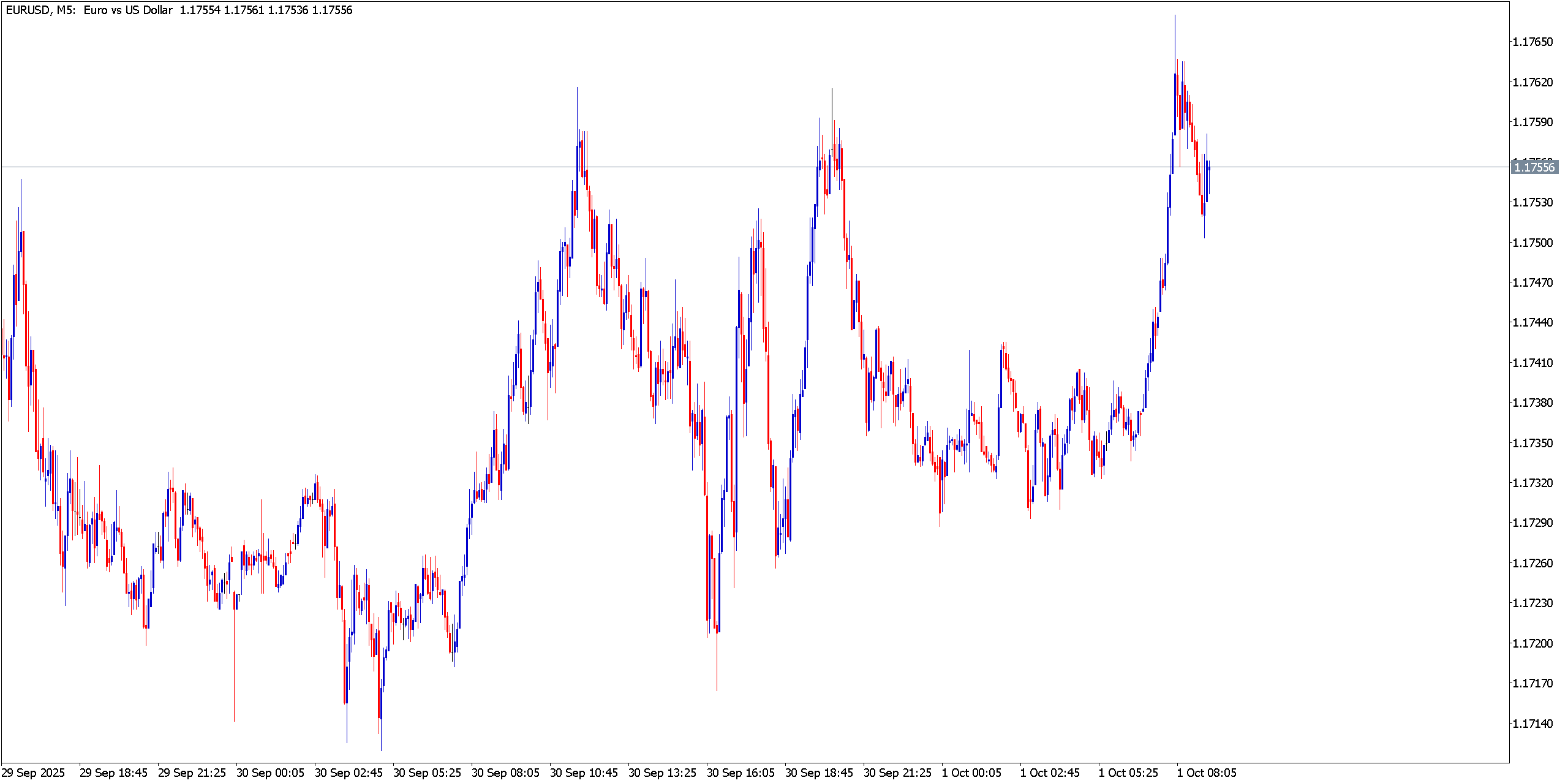
EUR/USD posted the kind of move that goes beyond a routine relief bounce. When a heavily sold pair suddenly trades higher in sync with a broad decline in the dollar, and does so as one of the session leaders, it typically signals a meaningful unwind in prior macro positioning. The euro had spent weeks trading under the weight of Europe’s energy vulnerability. On Tuesday, the reversal was strong enough to say that traders were no longer just trimming shorts — they were actively re-evaluating whether the euro had been oversold under the previous war assumptions.
Fundamental Analysis
The euro benefited because the exact macro factors that had hurt it began to reverse. Lower perceived war risk implied less danger of a prolonged supply disruption through Hormuz, which in turn meant less pressure on energy-importing economies such as the euro zone. Reuters reported that the euro gained as the dollar lost its haven appeal after the ceasefire. The euro did not suddenly acquire strong domestic fundamentals on its own. Rather, its most important relative disadvantage, oil-driven inflation damage, became less acute. That is often enough to power a significant EUR/USD recovery in the short term, especially when the prior bearish positioning has become crowded.
GBP/USD
Technical Analysis
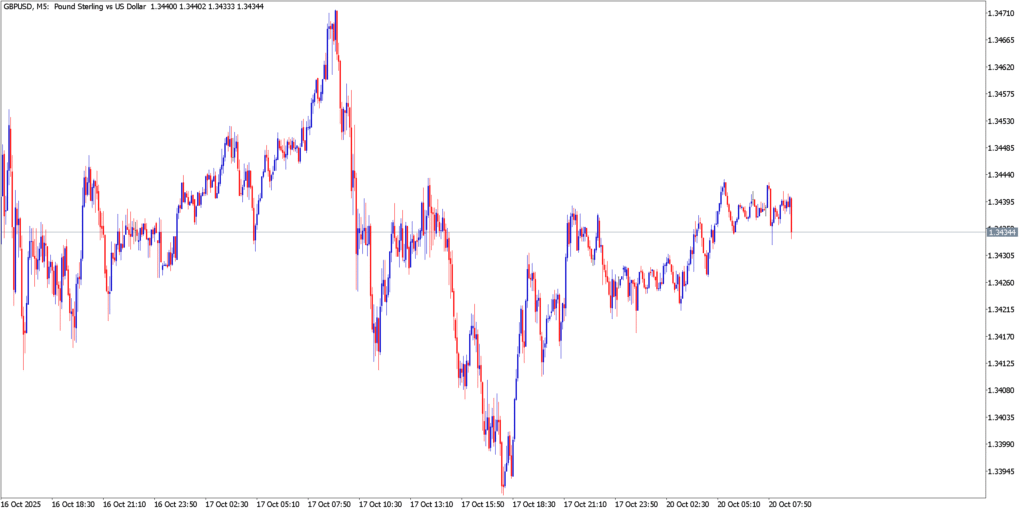
Sterling was one of the day’s strongest major rebounders, which made sense given how vulnerable it had looked before the truce. The pair’s price action had a much more forceful quality than a simple drift higher. Reuters reported the pound rose 0.30% on Apr. 7 to $1.3278, and that move should be read less as a calm re-rating of UK fundamentals and more as a meaningful unwind of earlier stress positioning. Technically, it was the sort of move that can repair short-term damage quickly, even if it does not yet secure a durable trend reversal.
Fundamental Analysis
Sterling’s rise was very logical under the ceasefire framework. The UK had been one of the economies most obviously exposed to higher imported energy prices, so anything that reduced oil and gas stress naturally relieved some of the pressure on the pound. Reuters’ UK coverage emphasized that Britain remained vulnerable due to energy import dependence and fragile public finances, which is why sterling had looked so poor before. But once the truce landed, the market could price less inflation stress and less pressure on the UK growth outlook. GBP/USD therefore became one of the cleanest pairs for expressing relief that the war might not intensify further.
USD/CHF
Technical Analysis
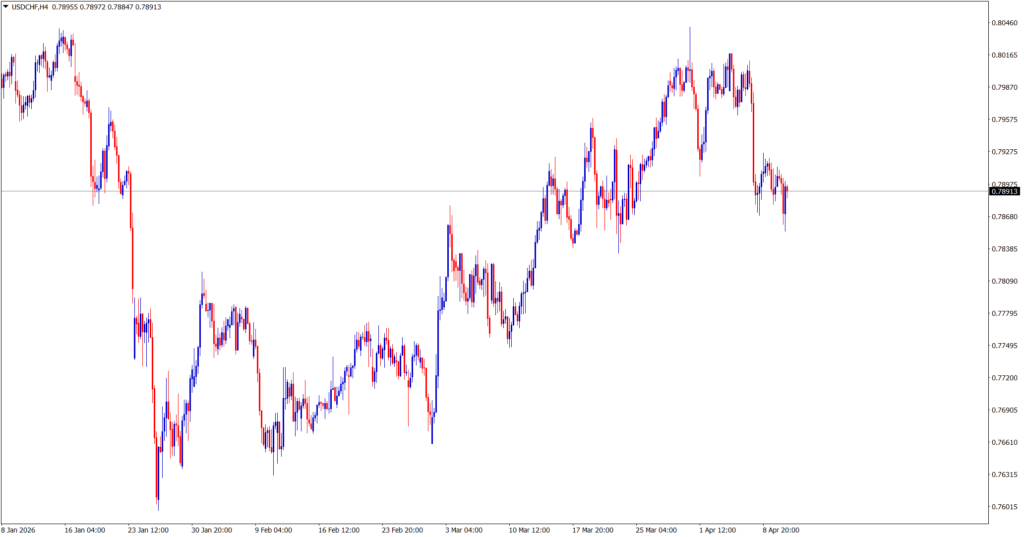
USD/CHF was an especially useful pair on Tuesday because it showed that the move was not simply “risk-on,” but also a redistribution of safe-haven demand. When the dollar weakens against the Swiss franc during a geopolitical easing move, it usually means the market is no longer treating the dollar as the preferred shelter asset. Technically, USD/CHF tended to respond more cleanly to this change than some other majors because both sides of the pair are sensitive to haven flows, so shifts in that hierarchy show up clearly and quickly.
Fundamental Analysis
Reuters reported that the dollar fell broadly as the ceasefire sparked a relief rally. In that environment, the franc’s relative steadiness as an alternative haven mattered. The market was not abandoning caution altogether; it was simply deciding that the greenback no longer deserved the same premium it had commanded during the escalation phase. That distinction is precisely why USD/CHF was such a useful pair on Apr. 7: it captured the erosion of dollar haven status more directly than pairs dominated by commodity or regional-growth considerations.
Market Outlook
Tuesday did not merely pause the stronger-dollar regime. It challenged it directly. EUR/USD and GBP/USD showed that European currencies could rally hard once the immediate oil shock eased, while USD/CHF showed the haven hierarchy itself had shifted. The key question heading into Wednesday was whether the ceasefire could hold long enough for the unwind in the dollar to become more than just a one-day correction.
Check out our other forex market analysis: