


Tuesday was one of those sessions where the market did not abandon its core thesis, but it did challenge the extent of it. Reuters reported that the dollar fell as hopes grew the U.S.-Israel war with Iran might not last as long as feared, even though the greenback was still on track for its best quarter since late 2024 because of lingering safe-haven demand. That distinction mattered. Tuesday was not a full structural shift away from the dollar. It was a tactical unwind of an overextended position set.
That tactical unwind was driven by tone rather than data. De-escalation hopes reduced the urgency of owning dollars at any price, and the market began rotating back into currencies that had been hardest hit by the prior oil shock. But because oil and war uncertainty had not disappeared, the reversal was uneven. Some pairs bounced more convincingly than others, and the difference between them revealed where markets still saw deeper structural weakness.
EUR/USD
Technical Analysis
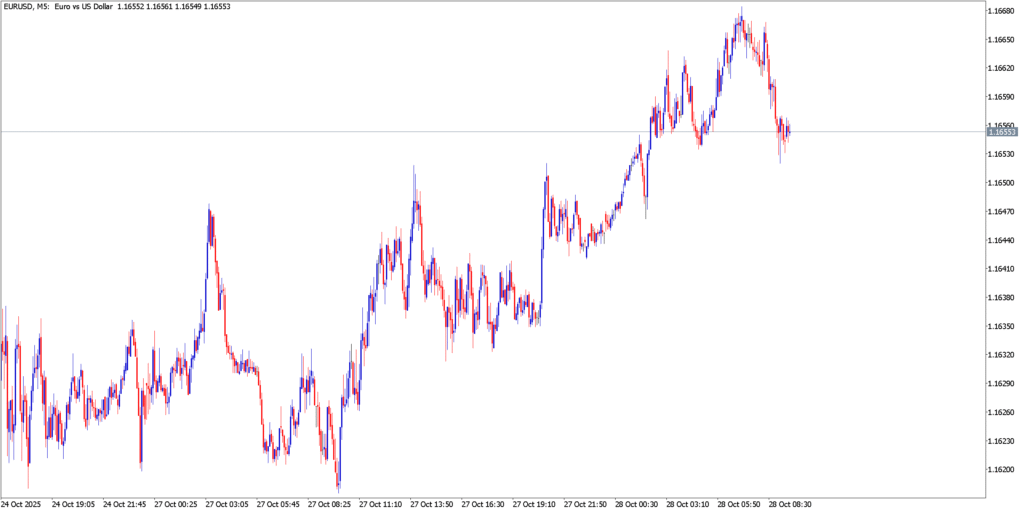
EUR/USD recovered, but the move looked more like a relief rebound than a renewed bullish trend. The pair had been heavily sold into month-end, so even a modest improvement in sentiment was enough to force short covering. Still, the structure of the bounce mattered: it helped the euro step away from its weakest levels, but it did not yet look like the start of a durable upside breakout. The pair was stabilizing within a damaged weekly structure rather than reclaiming clear leadership.
Fundamental Analysis
Reuters reported that the dollar dropped on hopes the war might not last as long as some feared, while on a separate April 1 Reuters piece the euro was shown trading around $1.1584 as the dollar continued to lose some of its haven bid on ceasefire optimism. That lines up with the macro logic: the euro was able to recover because the immediate fear premium in the dollar eased, not because Europe’s energy problem had suddenly disappeared. The fundamental story behind EUR/USD on Tuesday was therefore tactical improvement rather than a real resolution of Europe’s vulnerability.
USD/JPY
Technical Analysis
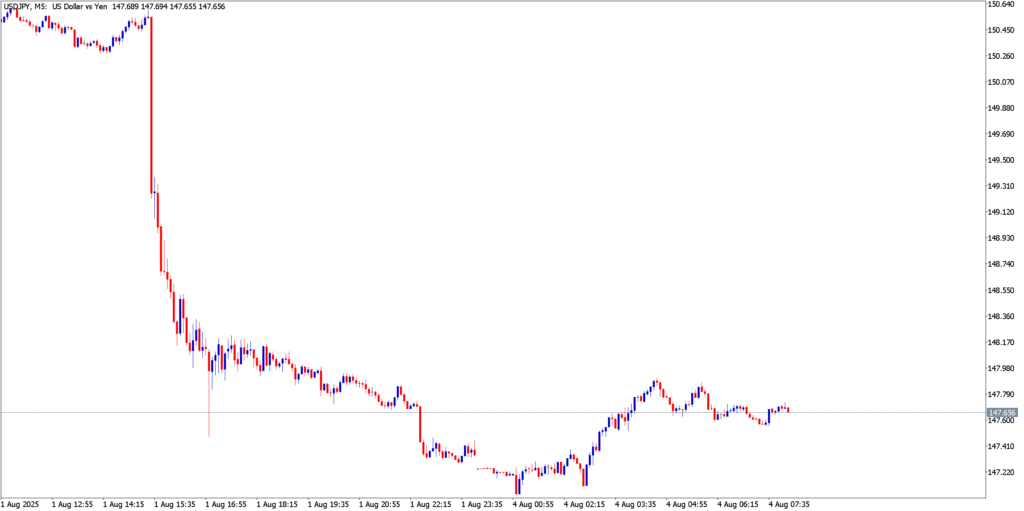
USD/JPY softened as the dollar gave back some of its safe-haven premium and the market refocused on intervention sensitivity. Technically, the pair still sat in a broadly elevated zone, but the inability to extend above already-sensitive levels suggested that traders were becoming less willing to test policymakers without fresh justification. That often produces a more abrupt, air-pocket style pullback than in other majors because positioning near intervention territory tends to be thinner and more cautious.
Fundamental Analysis
The yen had two supports on Tuesday. First, dollar demand eased as de-escalation hopes improved sentiment. Second, Japanese officials had already elevated intervention rhetoric after the yen crossed 160, and Reuters had reported Ueda’s comments that yen weakness mattered more now because of its effect on import costs and inflation. That combination gave the yen more support than usual in a dollar-pullback session. It did not reverse the broader macro picture, but it did make USD/JPY one of the more obvious candidates for tactical downside on the day.
USD/CHF

Technical Analysis
USD/CHF was a useful read on the quality of Tuesday’s dollar reversal because the Swiss franc often attracts haven flows of its own. When the dollar weakens against the franc during a geopolitical scare, it usually means the market is reducing pure USD haven exposure rather than simply rotating into risk currencies. The pair therefore looked softer in a way that was consistent with a genuine retracement in the dollar, not just idiosyncratic movement elsewhere.
Fundamental Analysis
Reuters reported that the dollar fell against both the euro and the Swiss franc as optimism about a possible ceasefire grew and reduced the dollar’s safe-haven appeal. That is a meaningful signal. If the franc outperforms at the same time as the euro rises, the market is not simply going risk-on; it is redistributing haven demand away from the dollar as conflict fears ease. That is exactly what USD/CHF reflected on Tuesday.
Market Outlook
Tuesday’s lesson was that the dollar remained fundamentally strong, but its rally was not bulletproof. Once war-duration expectations softened, the market was willing to trim positions quickly. That left the rest of the week finely balanced: if de-escalation hopes gained credibility, the dollar could continue correcting; if not, the prior oil-and-inflation regime could snap back fast.
Check our other forex market analysis: