


Thursday was a much more nuanced session than Wednesday, and that nuance matters. Reuters reported that the dollar struggled to rebound as investors weighed a fragile U.S.-Iran ceasefire, ongoing Israel-Hezbollah conflict, and still-restricted Hormuz flows. In other words, the truce had removed the most extreme war premium, but it had not restored full calm. That created a mixed environment: the dollar was no longer the unquestioned haven leader, but neither was it collapsing the way it had the day before.
This is the sort of day that often separates a one-off shock move from a true trend change. Markets had to decide whether Wednesday’s huge anti-dollar break had gone far enough. Reuters’ reporting suggests the answer was “not yet,” but with clear caution. Euro and sterling remained stronger, but the yen lagged, reminding traders that not all anti-dollar sessions look the same once regional fundamentals start mattering again.
EUR/USD
Technical Analysis
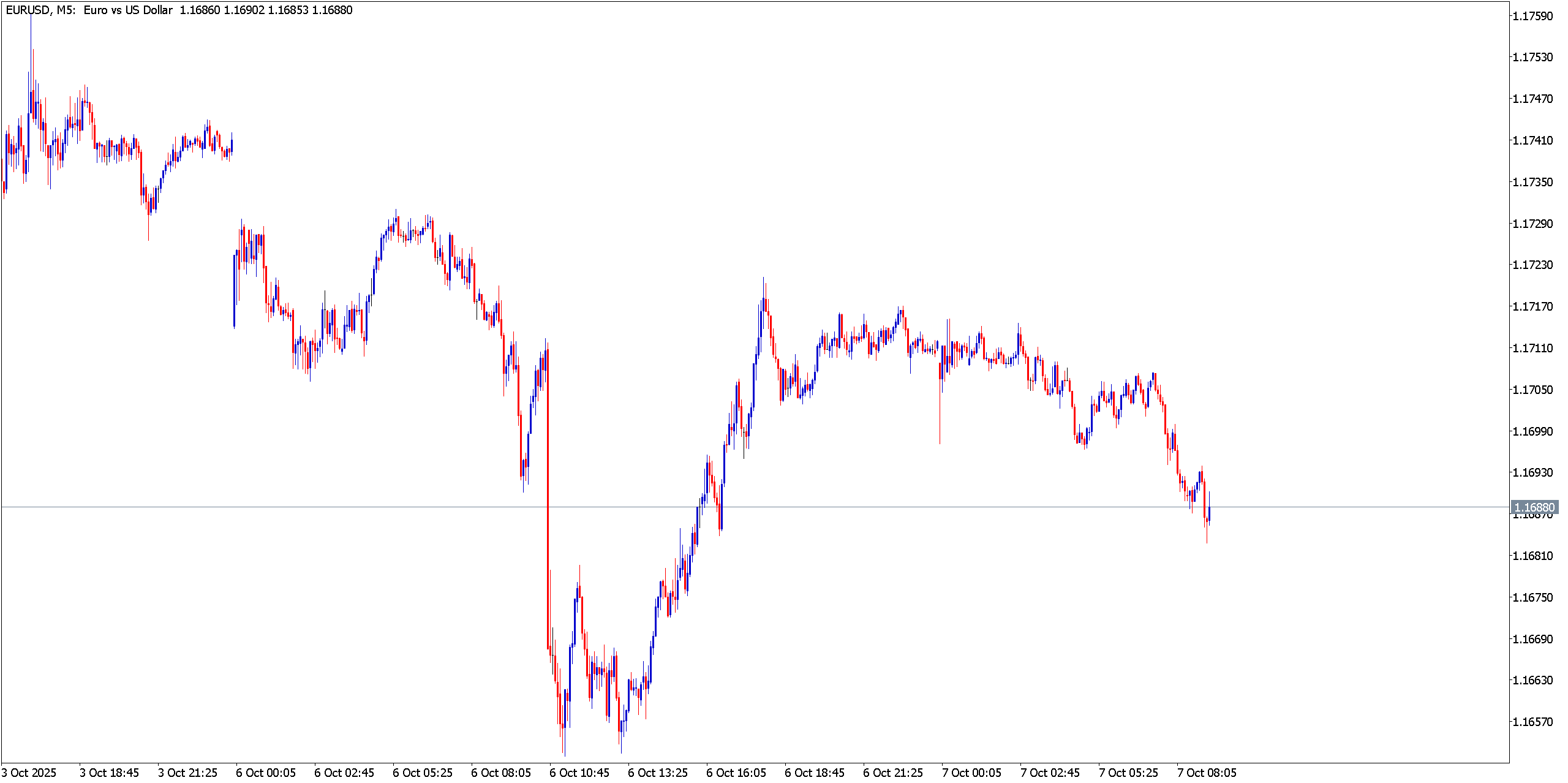
Reuters reported that the euro was up another 0.3% on Thursday to $1.1698 after gaining 0.6% on Wednesday. That matters technically because it means the euro held most of the prior day’s explosive gains rather than immediately giving them back. Markets often give back a chunk of relief-rally gains the next day if the move was purely emotional. EUR/USD did not behave that way. It held strong enough to suggest that at least part of Wednesday’s rally was being accepted as a valid repricing, not just a squeeze.
Fundamental Analysis
The euro remained supported because the ceasefire, however fragile, still implied less pressure on Europe’s energy outlook than the market had feared in late March. At the same time, Reuters’ podcast and bond-market coverage made clear that investors did not expect the world to return neatly to pre-war pricing. Inflation concerns had eased, but they had not disappeared, and the fragility of the truce still mattered. EUR/USD therefore held gains because the broad energy shock had clearly moderated, but upside also became less straightforward because markets knew that the recovery in oil flows and political stability was incomplete.
GBP/USD
Technical Analysis
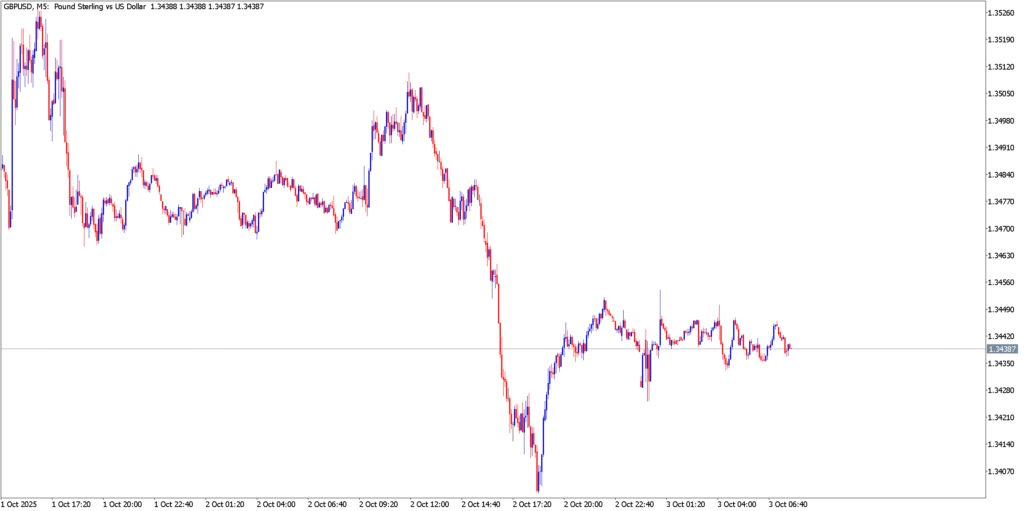
Sterling continued to outperform modestly, though in a much calmer fashion than Wednesday. Reuters reported the pound rose 0.27% to $1.343 after gaining 0.77% the day before. That is usually a healthy technical sign in a relief rally: after a large impulse move, the pair transitions into a steadier follow-through rather than a full retracement. GBP/USD was no longer exploding higher, but it was also not surrendering much ground.
Fundamental Analysis
Reuters’ UK coverage said sterling remained driven by Middle East developments and had kept most of its ceasefire-inspired gains. However, Reuters also noted that sterling’s future upside might be more limited than the euro’s because expectations for ECB tightening were seen as stronger and more durable than those for the BoE. That distinction is important. The pound was a strong relief-rally currency, but not necessarily the best long-duration beneficiary if markets fully normalized. So GBP/USD on Thursday looked strong, but not unambiguously stronger than EUR/USD in strategic terms.
USD/JPY
Technical Analysis
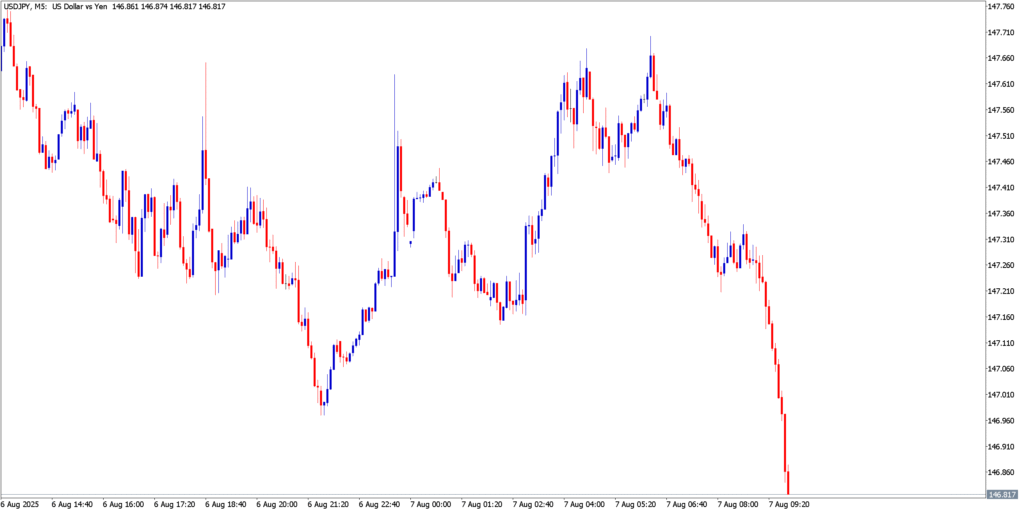
USD/JPY was the outlier. Reuters reported the dollar rose 0.27% to 159.02 yen after briefly dropping below 158 on Wednesday. That tells you two things technically: first, the pair had a sharper downside correction on Wednesday than many others; second, it bounced faster than euro or sterling pairs once the market moved into consolidation mode. That kind of relative recovery usually signals that the base currency, in this case the yen, has its own fundamental weakness that can reassert itself quickly.
Fundamental Analysis
Reuters said the yen weakened on Thursday and that fiscal expansion concerns were also in the mix. Add that to Japan’s low-rate structure and energy import sensitivity, and it becomes easier to see why USD/JPY would recover even in a week when the broader dollar had turned lower. This is exactly why USD/JPY often behaves differently from EUR/USD or GBP/USD in geopolitically driven weeks: once pure dollar haven demand fades, the pair does not automatically collapse if the yen has its own local macro disadvantages. Thursday was a textbook case of that dynamic.
Market Outlook
Thursday confirmed that the dollar’s earlier dominance had been broken, but not in a uniform way. EUR/USD and GBP/USD held the bulk of their ceasefire gains, which is a constructive sign for the anti-dollar narrative, while USD/JPY bounced because yen-specific weakness remained unresolved. That left Friday set up around one central question: would the market lock in the week’s anti-dollar move into the weekend, or would it start trimming risk ahead of the U.S.-Iran talks in Islamabad?
Check out our other forex market analysis: