


Tuesday was the day the market stopped treating the oil surge as a one-day shock and started repricing it as a broader inflation regime problem. Reuters reported that the U.S. dollar hit multi-month highs against the euro, sterling, and yen as the Middle East conflict fueled expectations of prolonged global inflation and increased demand for safe-haven assets. In bond markets, Reuters said traders aggressively cut rate-cut bets as the oil spike changed the narrative from “war hurts growth” to “war revives inflation.” That distinction mattered because inflation shocks tend to support the dollar more durably than ordinary growth scares.
This was also the day the market became more explicit about central bank consequences. Reuters reported that investors were pushing Fed easing further out and even entertaining the possibility of tighter policy elsewhere if energy prices remained elevated. In other words, Tuesday was not just about fear; it was about a serious challenge to the disinflation story markets had been relying on for months.
GBP/USD
Technical Analysis
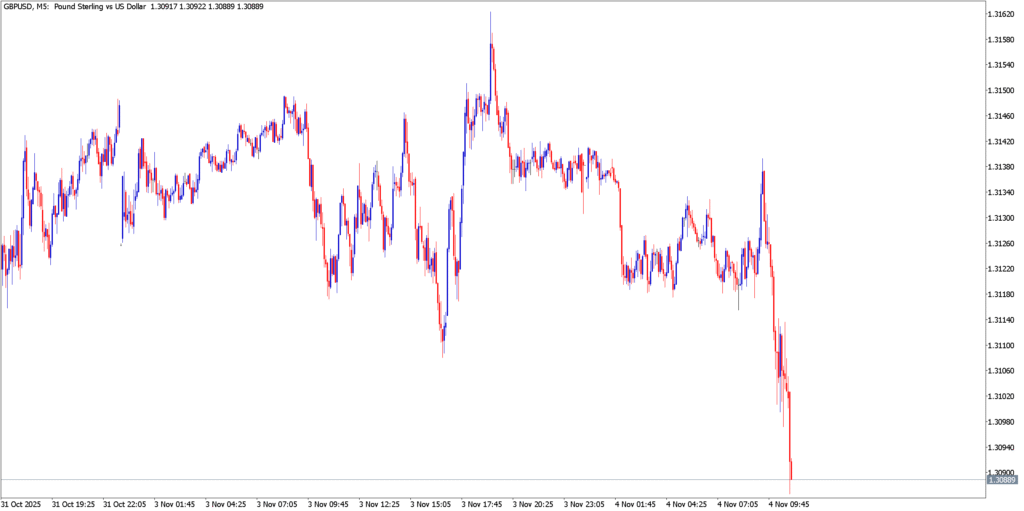
GBP/USD produced one of the week’s cleaner bearish moves. The pair did not merely drift lower; it traded as though rallies were being actively sold. That matters technically because it suggests the move was not only stop-driven. It reflected a genuine change in how investors were valuing sterling in the new macro environment. Once a pair starts behaving that way, even good intraday levels tend to offer only temporary support.
Fundamental Analysis
Reuters reported that sterling fell to a three-month low as the Middle East conflict pushed oil higher and muddied the Bank of England rate outlook. Markets sharply reduced expectations for a near-term BoE cut because higher energy prices raise inflation risk, but that did not help the pound. In fact, it made sterling harder to own, because the UK then faced both a tougher inflation problem and a weaker consumer-growth outlook. That is why GBP/USD was such an effective trade on Tuesday: it reflected not just broad dollar strength, but a distinctly uncomfortable UK macro mix.
EUR/USD
Technical Analysis
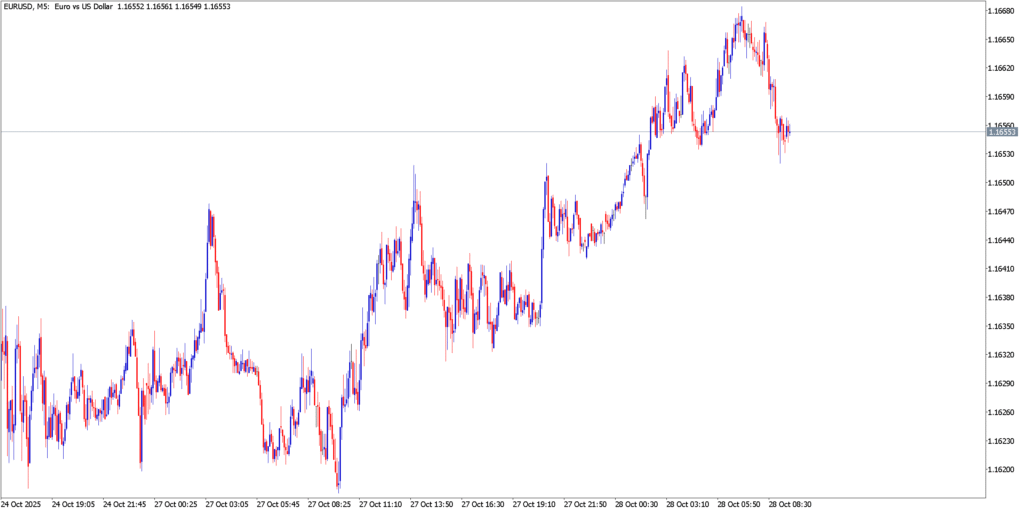
EUR/USD shifted from a soft Monday into something more like a genuine breakdown attempt on Tuesday. The technical message was in the lack of meaningful bounce. When a pair falls impulsively and cannot generate more than shallow recoveries, it usually means the market is repricing value lower rather than merely reacting to headlines.
Fundamental Analysis
Reuters made clear that the euro was under pressure because Europe was seen as especially exposed to the energy shock. Bond-market reporting added an important second layer: traders were cutting rate-cut bets across developed markets because the oil spike threatened to feed directly into inflation expectations. That left the euro in a difficult position. It did not enjoy the dollar’s haven premium, and it also belonged to a region more vulnerable to higher imported energy costs. EUR/USD therefore became one of Tuesday’s purest inflation-shock trades.
USD/JPY
Technical Analysis
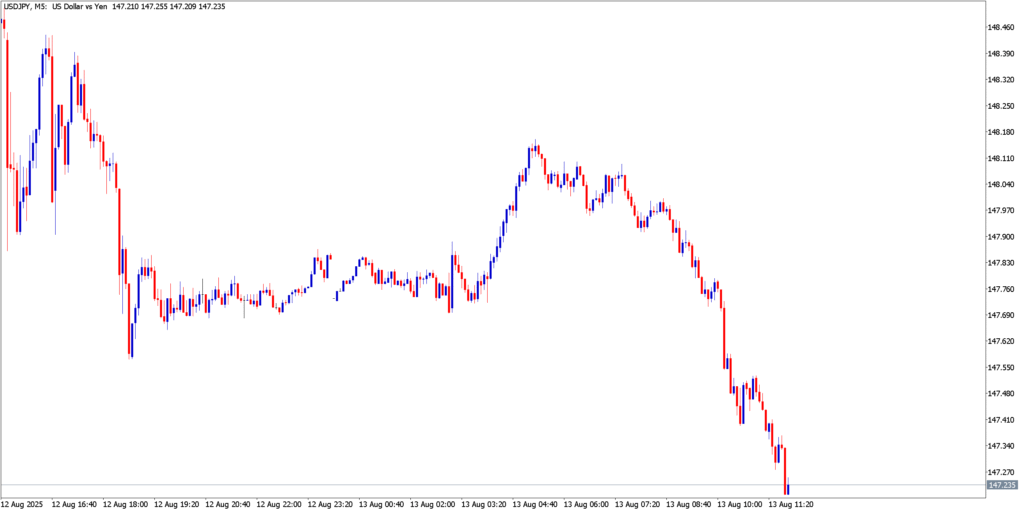
USD/JPY stayed volatile rather than cleanly directional. That was important. In a normal dollar rally, the pair often trends more smoothly. On Tuesday, the pair was still capable of sharp reversals because the market was constantly rebalancing between U.S. yield support and the yen’s own haven qualities. The result was a pair that remained tradeable, but less straightforward than either GBP/USD or EUR/USD.
Fundamental Analysis
Reuters said the dollar hit multi-month highs against the yen too, but the underlying logic was more complicated than in Europe or the UK. Japan faced the same imported-energy problem, which argued for yen weakness, while the conflict itself supported haven demand for JPY. Against that, rising U.S. yields and delayed Fed easing continued to support the dollar. This is why USD/JPY remained the week’s “fast money” pair rather than its cleanest macro one: too many powerful drivers were pulling at it simultaneously.
Market Outlook
After Tuesday, the market’s hierarchy of trades was clearer. GBP/USD and EUR/USD were the cleaner inflation-shock expressions, while USD/JPY remained the most reactive pair, capable of bigger intraday moves but less tidy directional structure. The dollar’s move was no longer just about havens. It was about the market genuinely questioning how quickly central banks, especially the Fed, would be able to ease if oil stayed elevated.