


Thursday was the session in which the market became more explicit about who was losing this macro regime. Reuters reported that the dollar rose against the euro for a third straight day and edged closer to its strongest levels of 2026 as surging energy prices sparked concern about Europe’s import-dependent economy and pushed investors toward the safety of the greenback. Reuters’ broader markets coverage said oil prices hit their highest level since 2022, global stocks slumped, and bond yields climbed as Iran escalated attacks on oil and transport facilities. By this point, the market no longer needed a fresh conceptual framework. It had settled into one: war → oil → inflation risk → stronger dollar, especially against energy importers.
Thursday also made clear that this pain was not evenly distributed. The euro was under heavy pressure because Europe looked especially exposed. Sterling was falling for a third day because the UK shared many of the same energy and inflation vulnerabilities. And in Canada, even oil support could not save the currency once soft domestic trade data entered the mix. So this was one of the week’s most revealing sessions: it showed not just that the dollar was strong, but which counterparts were weakest and why.
EUR/USD
Technical Analysis
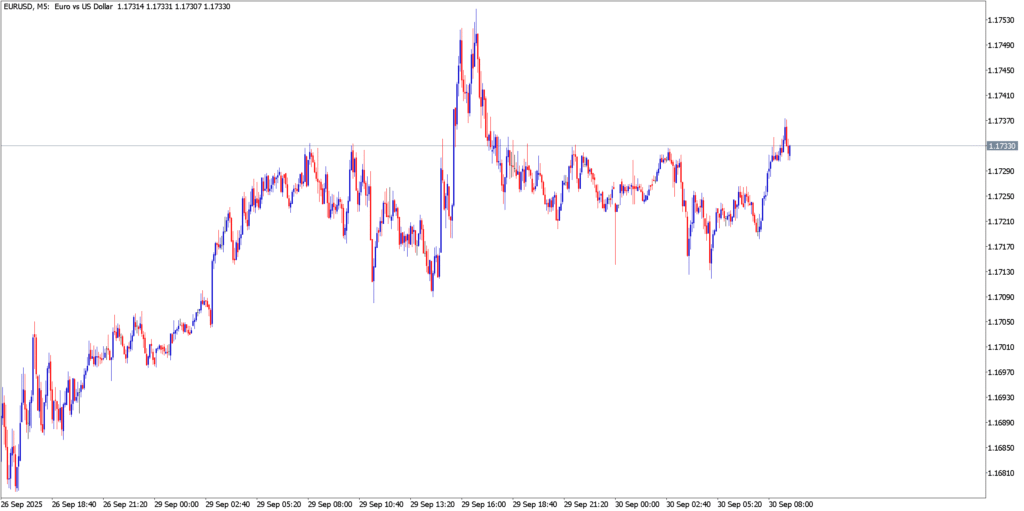
EUR/USD remained one of the most straightforward bearish charts in G10 FX on Thursday. Reuters’ reporting that the dollar rose against the euro for a third straight day confirms the technical feel: the market was not seeing a one-off slide but a sustained sequence of lower closes. That kind of serial pressure often tells you institutional positioning is involved. Short rallies get sold, support zones fail to attract meaningful demand, and the pair begins trading as though lower levels are the new baseline.
Fundamental Analysis
The fundamental story was unusually direct. Reuters linked the euro’s weakness to Europe’s import dependence and to investor concern that surging energy prices would damage the region more than the United States. At the same time, Reuters’ poll of economists published the next day showed that even with inflation threats heating up, most still expected the ECB to keep rates steady through the end of 2026. That reinforced the sense that the euro lacked a clear policy offset to the oil shock. Markets could flirt with pricing hikes, but the core economist view remained that ECB policy was likely to stay on hold. That is not the sort of backdrop that usually rescues EUR/USD in the middle of an energy crisis.
GBP/USD
Technical Analysis
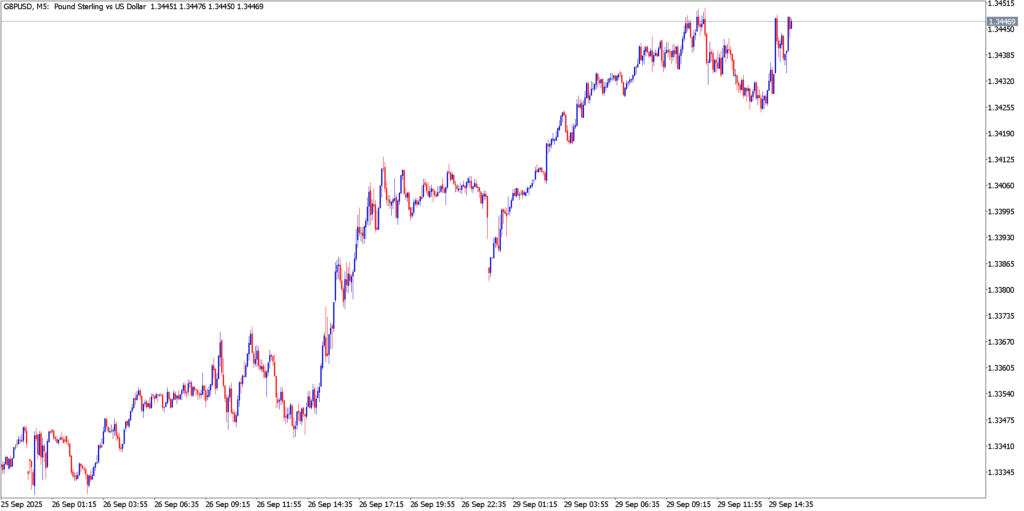
GBP/USD was under similarly persistent pressure. Reuters reported the pound was headed for a third daily loss against the dollar. Technically, that sort of three-day decline matters because it suggests more than noise; it reflects a market steadily repricing the currency downward. The pair was no longer merely reacting to dollar strength. It had begun to carry its own negative momentum as traders reassessed UK vulnerability.
Fundamental Analysis
Sterling’s weakness was grounded in the same energy logic as the euro’s, but with the additional complication of Bank of England uncertainty. Reuters reported that concern about a lasting rise in energy prices and nervousness about the war were driving investors into the dollar, while Bailey was due to speak ahead of the BoE meeting the following week. In that environment, higher energy prices did not support sterling by implying tighter policy. Instead, they made the entire UK outlook harder to price cleanly. Traders were not eager to own the pound while oil remained the main macro driver.
USD/CAD

Technical Analysis
USD/CAD rose again, and Reuters reported the Canadian dollar hit a six-day low after soft trade data. That added a new domestic layer to a pair that had already been struggling to convert oil strength into CAD gains. Technically, once a pair starts rising even as oil remains supportive, and then receives a weak domestic data catalyst, the move often becomes more durable because the market now has both a global and a local reason to stay long USD/CAD.
Fundamental Analysis
The loonie’s underperformance on Thursday showed that high oil prices are not always enough. Reuters reported that the Canadian dollar hit a six-day low after soft trade data, which made the domestic story less appealing even as crude stayed elevated. That is a classic example of macro layering in FX: commodity support still matters, but it can be overruled when a stronger dollar regime meets softer local fundamentals. Compared with Europe and the UK, Canada was still less damaged by the oil shock, but Thursday showed it was not immune.
Market Outlook
Thursday reinforced the strongest version of the week’s theme. The dollar was not simply rising; it was rising most effectively against energy-sensitive and import-dependent currencies, while even the loonie struggled when domestic data disappointed. That left the market heading into Friday with a very clear hierarchy: EUR and GBP looked like the softest majors, CAD had lost some of its commodity insulation, and the dollar remained near the top of the board.
Discover our other forex market analyses: