


Tuesday interrupted the dollar’s recent advance as investors began questioning whether the combination of elevated U.S. interest rates and enthusiasm for artificial intelligence investments could continue supporting the greenback indefinitely.
The dollar index fell approximately 0.37% to 102.18, retreating from Monday’s 18-month high of 102.61. Lower oil prices reduced some of the inflation concerns that had supported Federal Reserve tightening expectations, while uncertainty surrounding AI-related equity valuations threatened an important source of international capital inflows into U.S. markets.
The AI issue was particularly important because U.S. technology companies had attracted substantial international investment throughout the year. These capital flows supported both equity valuations and demand for dollars.
However, as investors became more concerned about the sustainability of valuations and the enormous investment required to expand data-center infrastructure, the assumption that U.S. technology assets would continue attracting capital without interruption became less secure.
Federal Reserve commentary also influenced the session. New York Fed President John Williams indicated that he expected one additional rate increase during 2026 but saw no need for further tightening in 2027. This suggested that although the Fed had not finished addressing inflation, the remaining tightening cycle might be relatively limited.
Meanwhile, sterling benefited from expectations of further Bank of England tightening. The pound rose approximately 0.19% to $1.334, while remaining near a 16-month high against the euro.
EUR/USD
Technical Analysis:
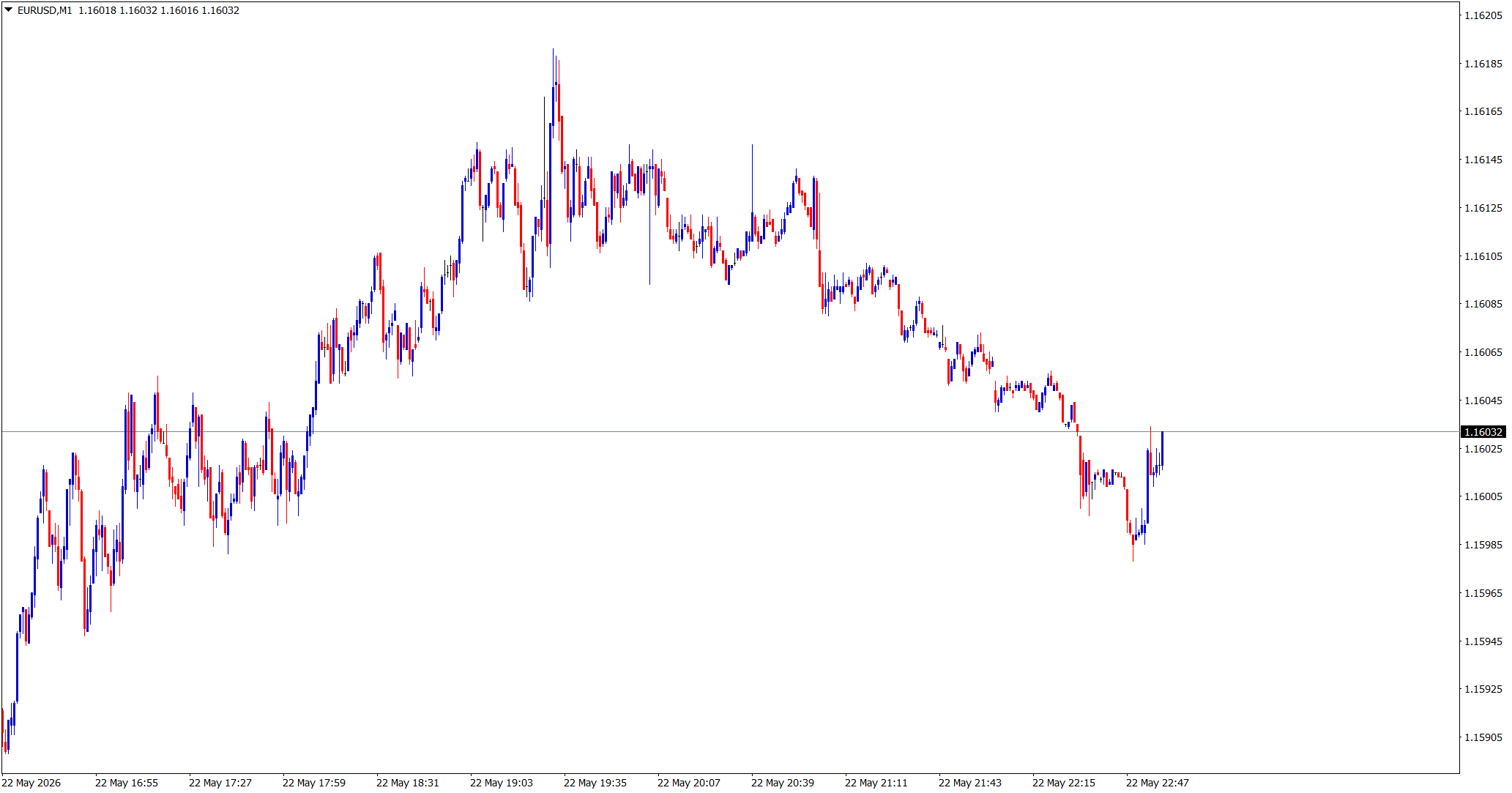
EUR/USD recovered as the dollar retreated from its recent peak.
The improvement represented a short-term relief rally rather than a confirmed reversal of the broader bearish trend.
After several sessions of persistent selling, the pair had become vulnerable to short covering. A decline in U.S. yields or a reduction in expected Fed tightening could encourage traders to reduce dollar-long positions.
However, the euro still faced resistance from previous breakdown areas. A sustained recovery would require stronger buying momentum and a convincing improvement in the eurozone’s political outlook.
Fundamental Analysis:
The euro benefited primarily from a weaker dollar rather than a meaningful improvement in domestic economic conditions.
Lower oil prices helped reduce the eurozone’s imported inflation burden. That was particularly important because elevated energy costs had complicated the ECB’s policy decisions and weakened the region’s growth outlook.
Nevertheless, France’s fiscal uncertainty remained a significant headwind.
Investors also continued evaluating the implications of relatively hawkish ECB policy. Higher rates can support the euro, but only if markets believe the economy can withstand the resulting borrowing costs.
The dollar’s decline therefore gave EUR/USD room to recover without resolving its underlying structural challenges.
GBP/USD
Technical Analysis:
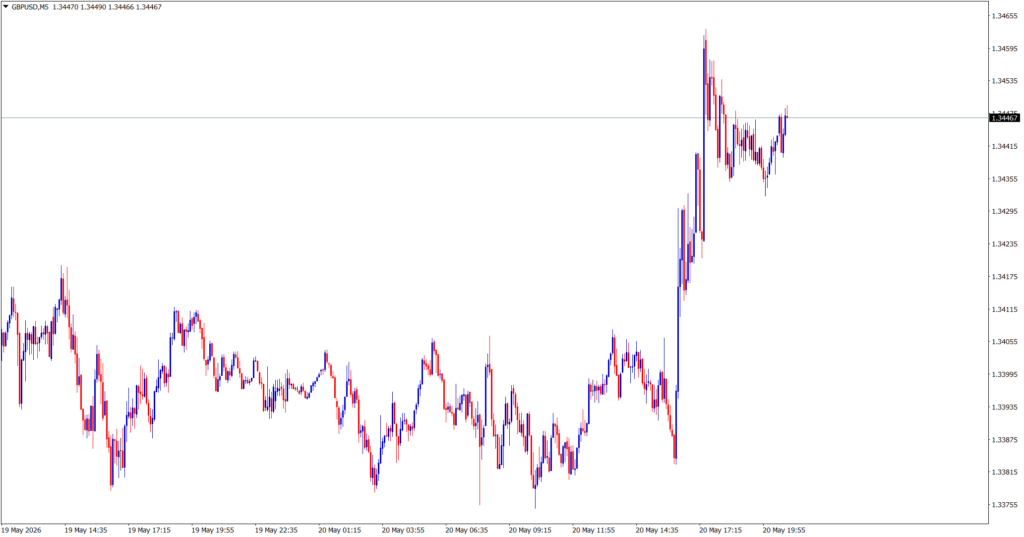
GBP/USD advanced toward 1.3340, demonstrating stronger short-term momentum than the euro.
The recovery improved the pair’s near-term technical structure and brought attention back to the 1.33–1.34 region.
A sustained break above recent resistance would strengthen the case for further gains. However, the pound remained sensitive to U.S. inflation data and the possibility of renewed dollar strength.
Fundamental Analysis:
Sterling benefited from the Bank of England’s relatively hawkish outlook.
BoE policymaker Megan Greene indicated that the IMF’s improved UK growth forecast strengthened the case for higher interest rates. Investors were pricing substantial additional tightening through July 2027, although some strategists questioned whether those expectations had become excessive.
The UK’s prospective budget also remained important. Investors wanted evidence that the government could maintain fiscal discipline without undermining growth.
Compared with the eurozone, however, sterling enjoyed stronger relative monetary-policy support.
USD/JPY
Technical Analysis:
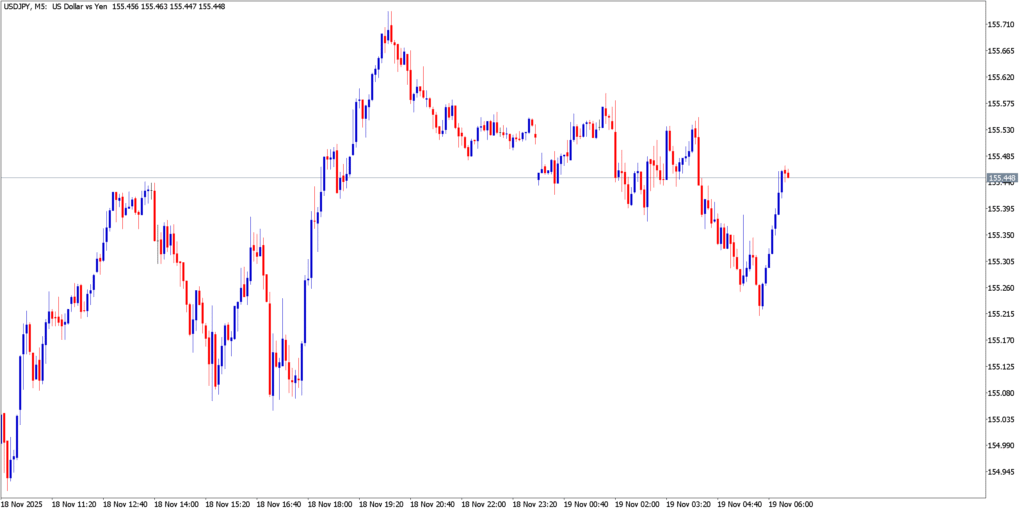
USD/JPY remained near the upper 150s as the dollar lost some of its recent momentum.
The pair’s inability to extend decisively above 160 reinforced the importance of that resistance area.
A continued decline in U.S. yields could increase pressure on USD/JPY, while stronger inflation data might restore upward momentum.
Fundamental Analysis:
The yen benefited from the reduction in dollar strength and changing expectations for U.S. monetary policy.
Lower oil prices also offered some relief to Japan’s import-dependent economy.
However, the interest-rate differential continued to favor the dollar, limiting the yen’s potential for an unrestricted advance.
The key question was whether the Fed’s remaining tightening cycle would be smaller than previously anticipated.
Market Outlook
Tuesday’s retreat suggested that dollar strength was becoming vulnerable to changing investor confidence in U.S. assets.
The upcoming CPI report would provide an important test. A stronger-than-expected reading could restore Fed-hike expectations and push the dollar higher, while softer inflation would strengthen the case for a broader correction.