


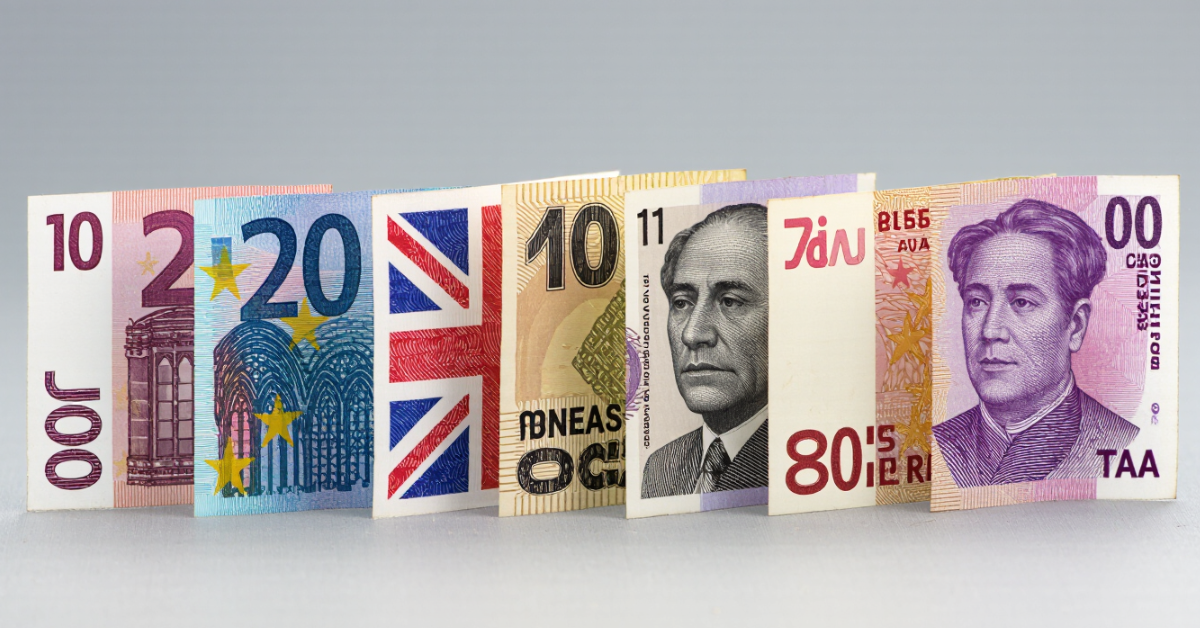
Exchange rates impact international trade by affecting the prices of goods and services between countries. When a country’s currency strengthens, its exports become more expensive and imports cheaper. Conversely, a weaker currency boosts exports and makes imports more expensive. These shifts directly influence trade balances, competitiveness, and global demand.
Key Takeaways
- Exchange rates determine how expensive or cheap imports and exports are.
- A strong currency hurts exports but helps imports.
- A weak currency boosts exports but increases import costs.
- Exchange rate changes can affect trade balances, business profits, and consumer prices.
- Traders on platforms like Defcofx watch these shifts to predict market trends and price volatility.
What Is an Exchange Rate?
An exchange rate is the price of one currency compared to another. For example, if 1 USD = 1.35 CAD, it means one U.S. dollar can be exchanged for 1.35 Canadian dollars. These rates fluctuate daily due to supply and demand, central bank policies, interest rate changes, and global events.
Forex traders using platforms like Defcofx take advantage of these fluctuations to earn profits by buying low and selling high across major currency pairs.
How Exchange Rates Affect Exports
When a country’s currency strengthens, its products become more expensive to foreign buyers. This can hurt exporters because overseas customers might turn to cheaper alternatives.
Example: If the euro strengthens against the dollar, American buyers will find European goods more expensive, possibly reducing sales for EU exporters.
On the other hand, when a currency weakens, exports become cheaper, making them more attractive globally. This can boost production, jobs, and GDP.
Example: If the Japanese yen falls in value, Japanese electronics and cars become more affordable worldwide, giving Japan’s export sector a boost.
Platforms like Defcofx often provide economic calendars and currency strength meters to help traders forecast such moves.
Open a Live Trading Account
How Exchange Rates Affect Imports
Imports are the flip side. When your local currency is strong, imported goods become cheaper. Consumers enjoy lower prices, and companies save money on raw materials or foreign components.
But if your currency weakens, imports become more expensive, which may drive up inflation and reduce purchasing power.
Example: If the Indian rupee weakens against the dollar, fuel and electronics priced in USD will cost more in India.
Forex traders often monitor inflation reports and trade balances closely through brokers like Defcofx, as these indicators hint at coming currency shifts.
Trade Balance and Currency Value
The trade balance is the difference between what a country exports and imports. A trade surplus occurs when exports exceed imports, while a trade deficit is the opposite.
Exchange rates play a major role here:
- A weaker currency usually helps shrink trade deficits by encouraging exports and discouraging imports.
- A stronger currency can lead to larger trade deficits because local consumers buy more foreign goods.
Countries and central banks often respond to large trade imbalances by adjusting interest rates or intervening in currency markets, moves that forex traders can track and trade around on online platforms like Defcofx, which offers access to global currency pairs and other markets through tools such as MetaTrader 5.
Real-World Examples of Exchange Rate Impact
Let’s look at some real-world scenarios where exchange rates shaped international trade outcomes:
1. Brexit and the British Pound (GBP)
After the Brexit vote, GBP dropped sharply against the USD and EUR. This made UK exports cheaper globally, temporarily boosting British manufacturing and tourism.
2. Japanese Yen (JPY) Weakness
Japan often allows the yen to stay weak to help exporters like Toyota and Sony remain competitive in the global market.
3. U.S. Dollar Strength
When the USD strengthens, countries that rely heavily on USD-denominated debt or exports (like emerging markets) often suffer, and U.S. exports become more expensive.
How Traders Can Benefit from Exchange Rate Movements
Forex traders use currency shifts to their advantage. When they believe a currency will rise or fall due to trade-related data or policy decisions, they open positions accordingly.
Example Trading Ideas:
- If exports are booming, traders may buy that country’s currency.
- If inflation is rising due to costly imports, traders might sell that currency.
Brokers like Defcofx provide real-time news feeds, technical analysis, and economic indicators, making it easier for both beginners and pros to act on global trade movements.
Join Defcofx, where you can trade all major currency pairs impacted by trade flows and economic policies. Get advanced charts, tight spreads, and 24/5 access to global forex markets.
Open AccountFAQs
1. How do exchange rates affect the price of goods?
When a currency strengthens, exports become more expensive for foreign buyers, and imports become cheaper locally. When a currency weakens, the opposite happens. This shift impacts how competitive goods are in global markets and directly influences trade flows.
2. What causes exchange rates to change?
Rates change due to supply and demand, interest rates, inflation, central bank decisions, and global events. A country with high interest rates may attract investors, boosting its currency. Conversely, instability may weaken it. Traders use platforms like Defcofx to analyze these factors.
3. Can countries manipulate exchange rates to boost trade?
Yes, some countries intentionally devalue their currencies to make exports cheaper and stimulate their economy. However, this is controversial and often criticized by trading partners. Currency interventions by central banks are closely watched by traders and economists alike.
4. How do strong and weak currencies affect consumers?
A strong currency means cheaper imported goods, more travel purchasing power, and low inflation. A weak currency can make everyday imported products more expensive, reducing consumer buying power and potentially increasing inflation over time.
5. Is trading currency based on trade data a good strategy?
It can be if done with proper research and risk control. Trade balance reports often cause volatility in forex markets. Traders using platforms like Defcofx can capitalize on these events by aligning their strategies with current economic data and sentiment.
Defcofx Forex Articles You Shouldn’t Miss
Discover powerful forex strategies in these top reads from Defcofx.