


Tuesday brought the market back to its dominant July question: would the Federal Reserve tighten again?
The dollar briefly reached a one-month high as investors prepared for Wednesday’s Fed decision, with futures markets assigning roughly a one-third to 40% probability to an immediate hike and around a 75% probability of a September hike in some market measures. Gold fell to a one-week low under pressure from the firm dollar, reinforcing how heavily markets were positioning around the possibility of a hawkish Fed.
By the U.S. close, however, the dollar had given back part of the move. The dollar index was about 0.2% lower at 101.35, the euro recovered to approximately $1.1393, sterling traded around $1.3288, and USD/JPY sat virtually unchanged near 163.8.
The lack of a decisive dollar breakout did not mean investors had become dovish. Rather, it reflected caution ahead of one of the most uncertain Fed meetings in months. U.S. inflation remained too high for policymakers to declare victory, but recent economic data and lower oil prices complicated the case for tightening immediately.
Global risk sentiment was also deteriorating. Semiconductor stocks sold off sharply, with the Philadelphia chip index dropping about 4.5% to a three-month low as investors questioned stretched AI valuations. U.S. Treasury yields declined 3–4 basis points across the curve despite another weak government-bond auction, creating an unusual combination of equity caution, bond-market supply concerns, and central-bank uncertainty.
The yen was once again at the center of intervention speculation. At around 163.85 per dollar, it remained barely above a four-decade low. Markets were particularly worried that a BOJ decision to hold rates later in the week could trigger another wave of yen selling.
USD/JPY
Technical Analysis
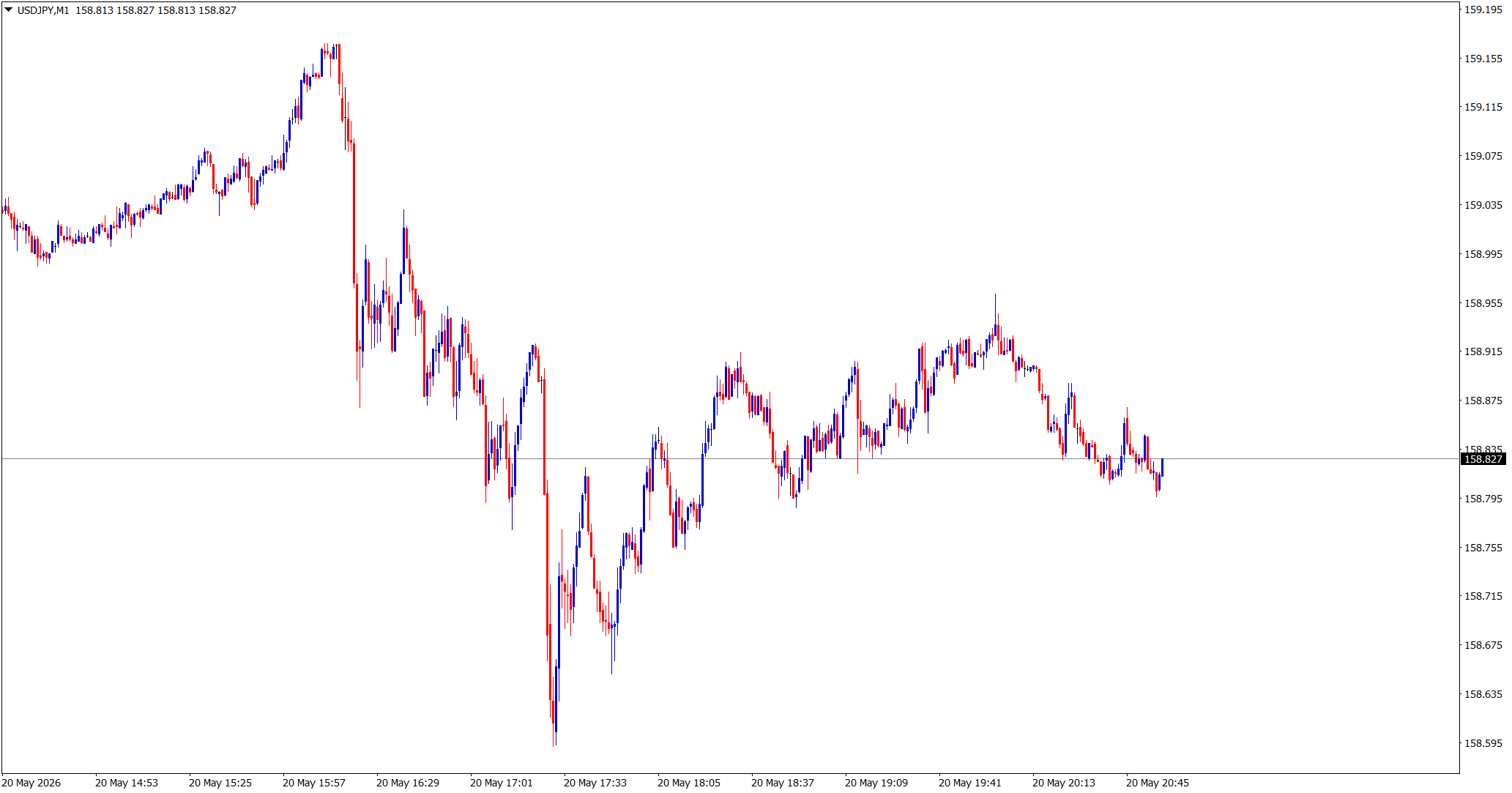
USD/JPY remained almost perfectly pinned near 164, demonstrating how little impact weeks of official warnings had ultimately achieved.
Technically, the pair remained in an extremely mature but still intact uptrend. It had spent several sessions consolidating close to the highs rather than correcting meaningfully. Such behavior often signals that underlying demand remains strong even when momentum indicators are stretched.
Yet the risk profile had deteriorated dramatically. Near 164, the market was no longer simply trading the U.S.-Japan rate gap. It was actively testing the threshold at which Tokyo might intervene.
A break above 164 could open the psychologically important 165 area, but any rapid move would substantially increase the chance of official action. Conversely, the pair would need to fall well below 160 before the bullish trend could be considered materially damaged.
Fundamental Analysis
The yen remained weak because the market still doubted the BOJ would tighten fast enough to narrow the rate gap. Even though inflation pressures in Japan had risen, fiscal concerns and fragile growth made aggressive tightening risky.
Japan’s broader political situation also mattered. Prime Minister Sanae Takaichi’s approval ratings had been falling as inflation and living costs worsened, while her expansionary policy stance continued unsettling Japanese government bond markets.
At the same time, a potentially hawkish Fed threatened to widen the yield gap again. Reuters noted that markets were on edge that a BOJ hold, particularly when paired with hawkish Fed guidance, could trigger another yen slide.
GBP/USD
Technical Analysis
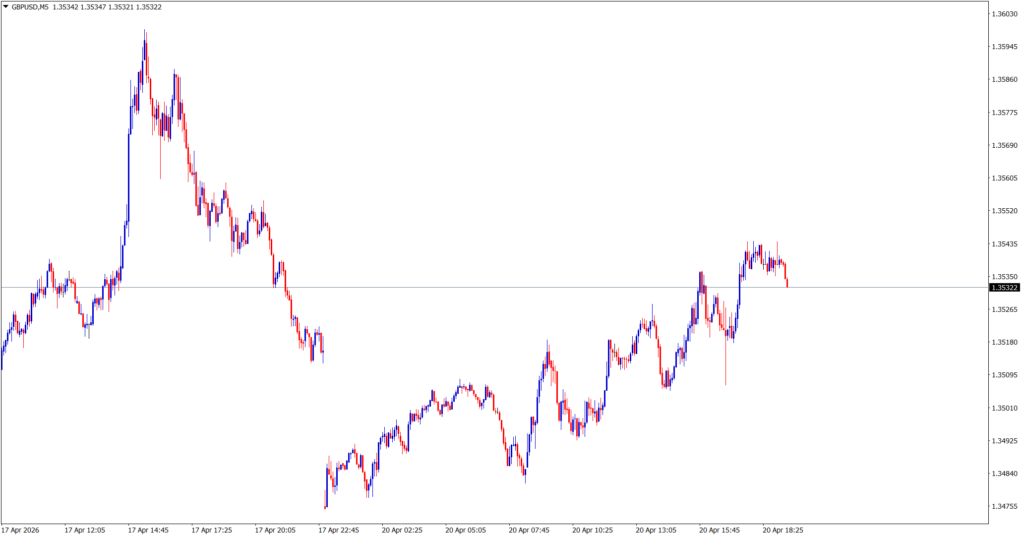
GBP/USD fell toward $1.327, its weakest level since early July. The decline continued a broader period of sterling underperformance against the dollar and pushed the pair toward important short-term support.
Technically, the pair looked substantially weaker than it had only a week earlier. Attempts to recover were being sold, while lower highs suggested traders were positioning for the possibility of a more hawkish Fed.
The pair remained above deeper medium-term support, but buyers clearly lacked momentum. A strong Fed message risked exposing GBP/USD to further downside.
Fundamental Analysis
Sterling faced a difficult relative-rates environment. Brent crude fell another 2.6% to around $86.08, reducing UK inflation pressure and therefore making further BoE hikes less necessary. Meanwhile, markets still saw a meaningful possibility of U.S. tightening.
This created a classic negative rate-divergence setup for GBP/USD: Fed expectations were becoming more hawkish while BoE expectations were becoming less so.
The upcoming Bank of England meeting also constrained sterling. Policymakers were expected to keep rates at 3.75%, and although inflation risks from Iran remained relevant, recent data had not justified aggressive tightening.
EUR/USD
Technical Analysis
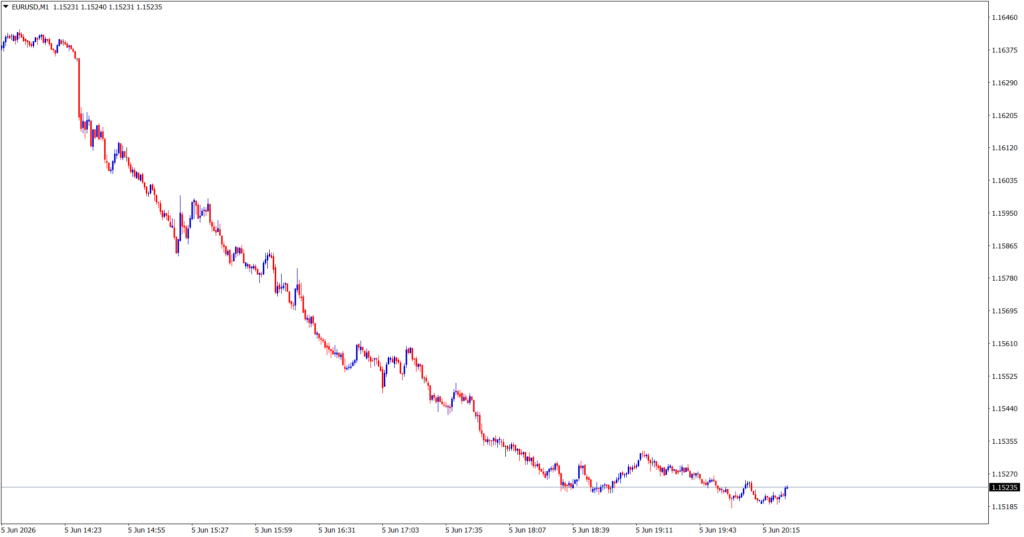
EUR/USD recovered slightly to around $1.1393 after the dollar touched its intraday high.
The pair remained technically weak but was attempting to form a base. Support below 1.14 continued attracting buyers, preventing the euro from extending the prior week’s decline.
The near-term trend nevertheless remained vulnerable. A hawkish Fed decision could easily push EUR/USD back through support, while a hold accompanied by more balanced guidance could produce substantial short covering.
Fundamental Analysis
Europe benefited from falling oil, but monetary-policy divergence remained the bigger story. Lower energy costs reduce imported inflation for the eurozone, which is economically positive, but they also make further ECB tightening less necessary.
Meanwhile, the U.S. still offered substantially higher yields and stronger growth. That kept the dollar fundamentally attractive despite Tuesday’s modest pullback.
The euro therefore entered the Fed decision in a fragile equilibrium: lower oil improved Europe’s macro outlook, but relative interest-rate expectations continued favoring the dollar.
Market Outlook
July 28 was essentially a positioning session.
- USD/JPY remained close to 164 and vulnerable to intervention.
- GBP/USD was under clear pressure from widening Fed-BoE policy expectations.
- EUR/USD was stabilizing but remained dependent on the Fed outcome.
- The Fed’s decision would determine whether the dollar’s July rally extended toward new highs or finally encountered meaningful resistance.