


August ended with financial markets abruptly returning to the geopolitical and inflation themes that had dominated much of the first half of the year.
The United States and Iran resumed significant military exchanges after U.S. forces struck missile launchers on Iran’s Larak Island in the Strait of Hormuz. Tehran retaliated with missile attacks on U.S. air bases in Jordan, while President Donald Trump promised a forceful response. The renewed confrontation immediately revived concerns that energy infrastructure or shipping through the Gulf could again become targets.
Brent crude surged 2.7% to $90.49 per barrel, while WTI climbed 2.8% to $85.76. The rise was significant not only because of the geopolitical shock itself, but because the global oil market was already operating with limited spare flexibility. A Reuters poll showed analysts expected Brent to average above $85 in 2026, with Middle East supply disruption outweighing weaker Chinese demand and OPEC+ production increases.
Higher oil fed directly into monetary-policy expectations.
Fed Chair Kevin Warsh’s Jackson Hole speech the previous Friday had already pushed markets toward a more hawkish interpretation of U.S. policy. Following the renewed energy shock, futures were pricing roughly a 65% probability of a September Fed rate increase, up from about 35% before Warsh’s remarks. Benchmark 10-year Treasury yields climbed to roughly 4.76%, their highest since January 2025.
Yet the dollar did not rally broadly. The dollar index slipped around 0.2%, a useful reminder that FX markets were simultaneously reassessing Japan. Treasury Secretary Scott Bessent said he expected Japanese authorities to take measures that would strengthen the yen, while markets priced roughly a 70% probability that the Bank of Japan would raise rates in September. USD/JPY consequently slipped back below 160 despite the rise in U.S. yields.
Equities also weakened as the combination of oil, yields and military escalation damaged risk appetite. The Dow fell 0.7%, the S&P 500 lost 0.33% and the Nasdaq declined 0.12%. Still, August as a whole remained positive for major U.S. indices, supported by enthusiasm around AI-related corporate investment.
The final trading session of August therefore produced a complex macro picture: higher oil, higher yields and increased Fed-hike expectations supported the dollar fundamentally, but growing BOJ-hike expectations prevented that support from translating into another broad yen selloff.
USD/JPY
Technical Analysis
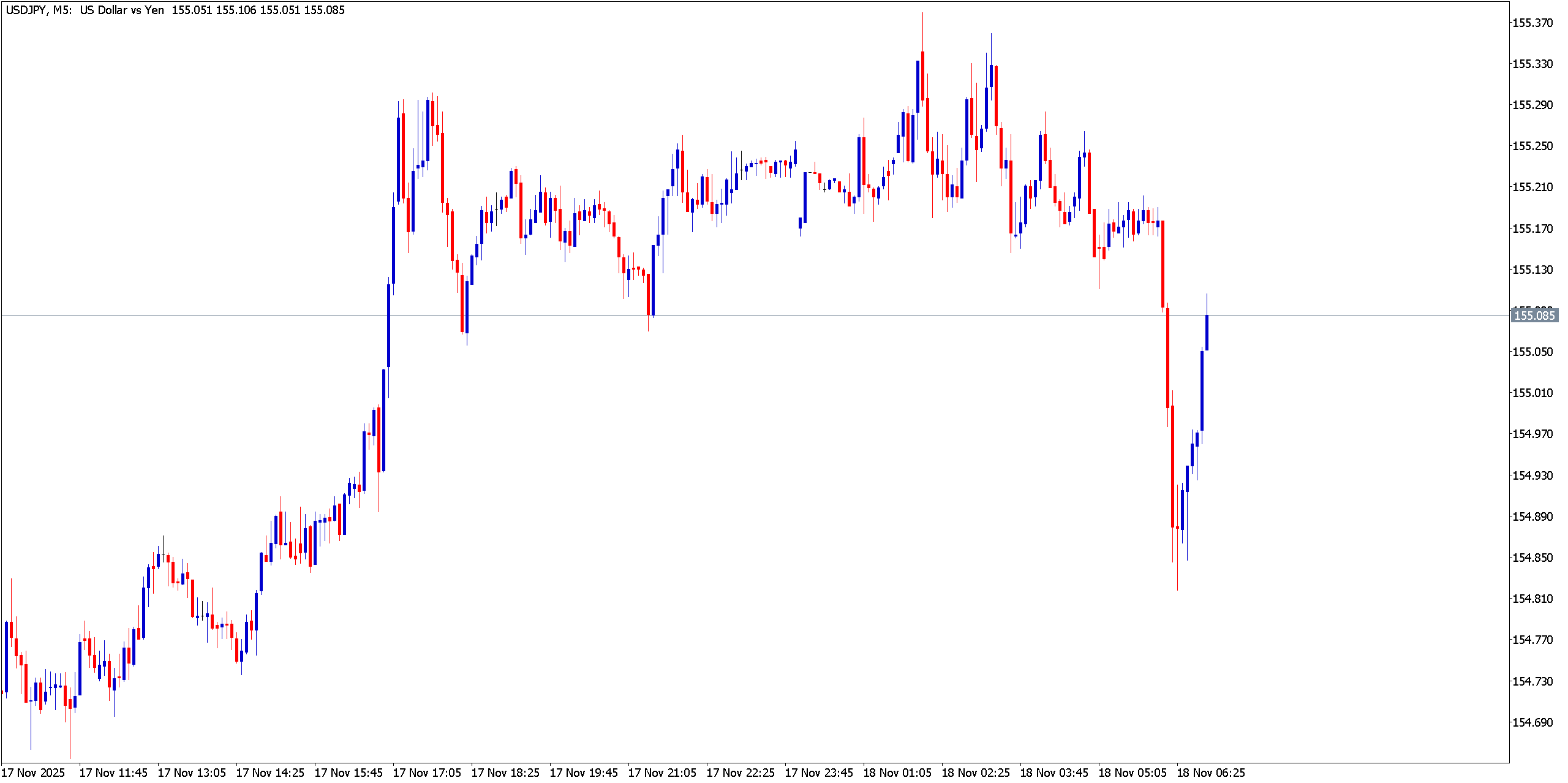
USD/JPY slipped back below the 160 threshold after briefly moving beyond it late the previous week. Reuters reported the yen around 159.77 per dollar, up roughly 0.2% on the session.
Technically, the failure to extend sustainably beyond 160 was significant. The pair had recovered a large portion of its post-intervention decline during August, but every push toward the upper 150s and 160 area was increasingly attracting policy-related selling.
The pair was still above the intervention-era lows around 155, so the broader structure could not yet be considered decisively bearish. However, the technical character had changed considerably from July, when traders comfortably bought almost every dip.
The 160–161 region remained immediate resistance. A sustained break above it would reopen the path toward the summer highs, but renewed Japanese policy warnings make momentum chasing increasingly dangerous.
On the downside, 158 was becoming an important short-term pivot. A decisive break beneath that area would expose 156–155, where the consequences of the July/August intervention still remain embedded in positioning.
Fundamental Analysis
The most striking aspect of Monday’s price action was that USD/JPY fell even as U.S. Treasury yields rose.
That divergence highlighted the increasing importance of Japan-specific developments.
Treasury Secretary Scott Bessent publicly encouraged Japan to pursue policies capable of strengthening the yen and anchoring inflation expectations. Markets interpreted the comments as further evidence that Washington supported a tighter BOJ stance rather than simply tolerating Japanese intervention.
Japan’s 10-year government bond yield also climbed to its highest level since the 1990s, reinforcing the idea that domestic returns were finally becoming competitive enough to slow capital outflows. Markets placed roughly a 70% probability on a September BOJ rate increase.
At the same time, oil above $90 is fundamentally negative for Japan because the country remains highly dependent on imported energy. The Iran conflict therefore created a countervailing force: higher crude should weaken the yen through the trade balance, while BOJ tightening and official pressure support it.
On Monday, the policy story won.
EUR/USD
Technical Analysis
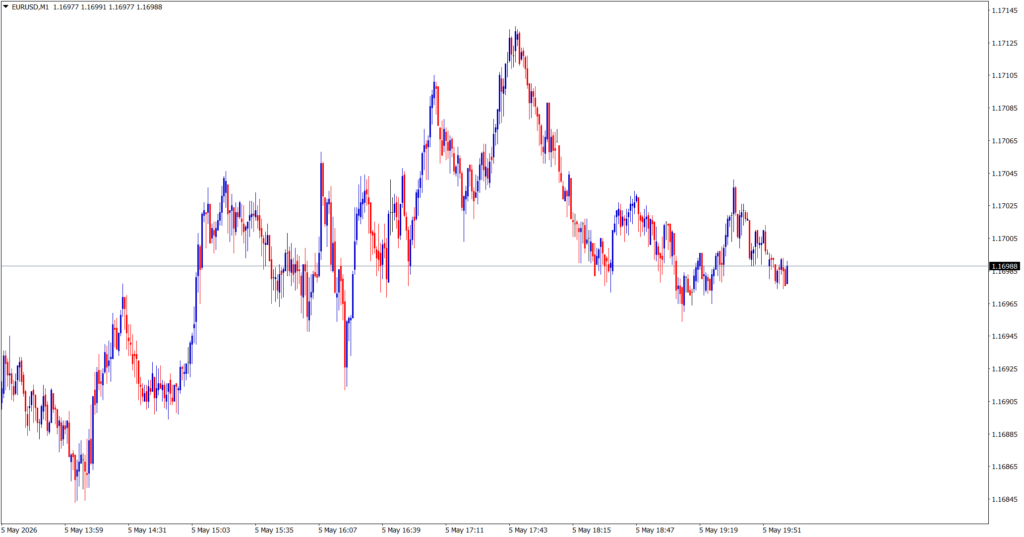
EUR/USD was relatively stable despite the rise in Fed-hike expectations.
The dollar index slipped slightly, suggesting the euro was able to retain recent support rather than breaking sharply lower under the weight of rising U.S. yields.
Technically, EUR/USD remained in a broad recovery/consolidation structure. The pair had avoided a fresh breakdown during the second half of August, and Monday’s resilience suggested sellers were becoming less aggressive.
However, upside momentum remained limited because Europe faced its own inflation problem. The ECB was expected to raise rates in September precisely because energy costs were beginning to accelerate again.
That left the pair caught between competing rate expectations.
Fundamental Analysis
For the euro, the renewed Middle East escalation was distinctly mixed.
Higher oil is economically damaging for the eurozone because Europe imports a large share of its energy. An energy shock simultaneously increases inflation and reduces real household purchasing power, producing the stagflationary mix that central banks find particularly difficult to manage.
Yet the same shock strengthened expectations that the ECB would raise rates at its September meeting. Reuters reported markets were already heavily positioned for another ECB hike.
That meant the euro had some yield support even as its growth outlook deteriorated.
On the U.S. side, a 65% probability of a Fed hike and rising Treasury yields should ordinarily support the dollar. But much of that repricing had already occurred after Warsh’s Jackson Hole speech.
EUR/USD therefore remained relatively balanced: the Fed looked more hawkish, but so did the ECB.
USD/CAD

Technical Analysis
USD/CAD entered the session with two powerful forces pulling in opposite directions.
The dollar benefited from safe-haven demand, rising U.S. yields and increasing Fed-hike expectations.
The Canadian dollar, however, benefited from a nearly 3% rise in crude oil.
Technically, this created a less directional structure than in USD/JPY. Rather than trending cleanly, USD/CAD was likely to remain sensitive to whether the oil shock or rate differential became the dominant theme.
Resistance around recent August highs remained important, while stronger crude increased the probability of CAD buying on USD/CAD rallies.
Fundamental Analysis
Canada is one of the few major developed economies for which an oil shock can improve the terms of trade.
Higher crude boosts export revenues and nominal income, giving CAD a natural hedge against the same energy shock that hurts currencies such as EUR and JPY.
However, Monday’s geopolitical context prevented CAD from fully exploiting that advantage. A widening U.S.-Iran conflict increases demand for dollars globally, while higher oil also increases the probability that the Fed will stay restrictive.
Canada also remained exposed to weaker Chinese commodity demand and continuing U.S.-Canada trade tension.
The result was a balanced setup: oil favored CAD, while yields and geopolitics favored USD.
Market Outlook
August 31 established the themes that would dominate the first week of September.
- USD/JPY was showing signs that the yen could strengthen even with U.S. yields elevated.
- EUR/USD remained caught between Fed and ECB tightening expectations.
- USD/CAD reflected a tug-of-war between oil support for Canada and dollar safe-haven demand.
- The next decisive U.S. catalyst would be Friday’s August payroll report, where economists expected only about 58,000 new jobs after July’s contraction.
The week therefore began with investors asking whether the renewed oil shock would force central banks into another round of tightening — and whether the global economy could absorb it.