


Friday delivered the macro surprise markets had been waiting for.
U.S. employers added 162,000 jobs in August, dramatically exceeding the roughly 56,000 increase economists had expected. The result reversed much of the concern generated by July’s unexpected 23,000-job contraction and the weak ADP report released two days earlier.
The unemployment rate remained steady at 4.1%, while annual wage growth slowed slightly to 3.1%, its lowest pace since June 2021. That combination gave both hawks and doves something to work with: hiring was significantly stronger than expected, but wage pressure was not accelerating.
The dollar initially jumped.
Fed-funds futures raised the probability of a September hike to roughly 57% from 50% immediately before the report. Yet the greenback surrendered part of the advance later in the session, reflecting caution ahead of the following week’s PPI and CPI reports.
The dollar index ultimately gained around 0.2% to 99.17, while EUR/USD slipped toward $1.1611. USD/JPY rose only modestly to roughly 156.19, an unusually muted reaction considering the strength of the U.S. employment report.
That yen resilience became one of the most important signals of the week.
The Japanese currency was on track for roughly a 2% weekly gain, its strongest performance since the U.S.-Japan intervention at the end of July. Traders were becoming increasingly reluctant to rebuild large yen shorts because of higher BOJ-rate expectations, repatriation possibilities and the threat of renewed official action.
Sterling meanwhile held around $1.3525 before the jobs report, supported by expectations that the BoE could eventually raise rates twice over the next six months. UK gilt markets remained stable compared with the more disorderly moves earlier in the week.
The key result from Friday was therefore not simply that the U.S. labor market was stronger. It was that a strong jobs report no longer produced the kind of broad, sustained dollar rally that similar data would have generated earlier in 2026.
EUR/USD
Technical Analysis
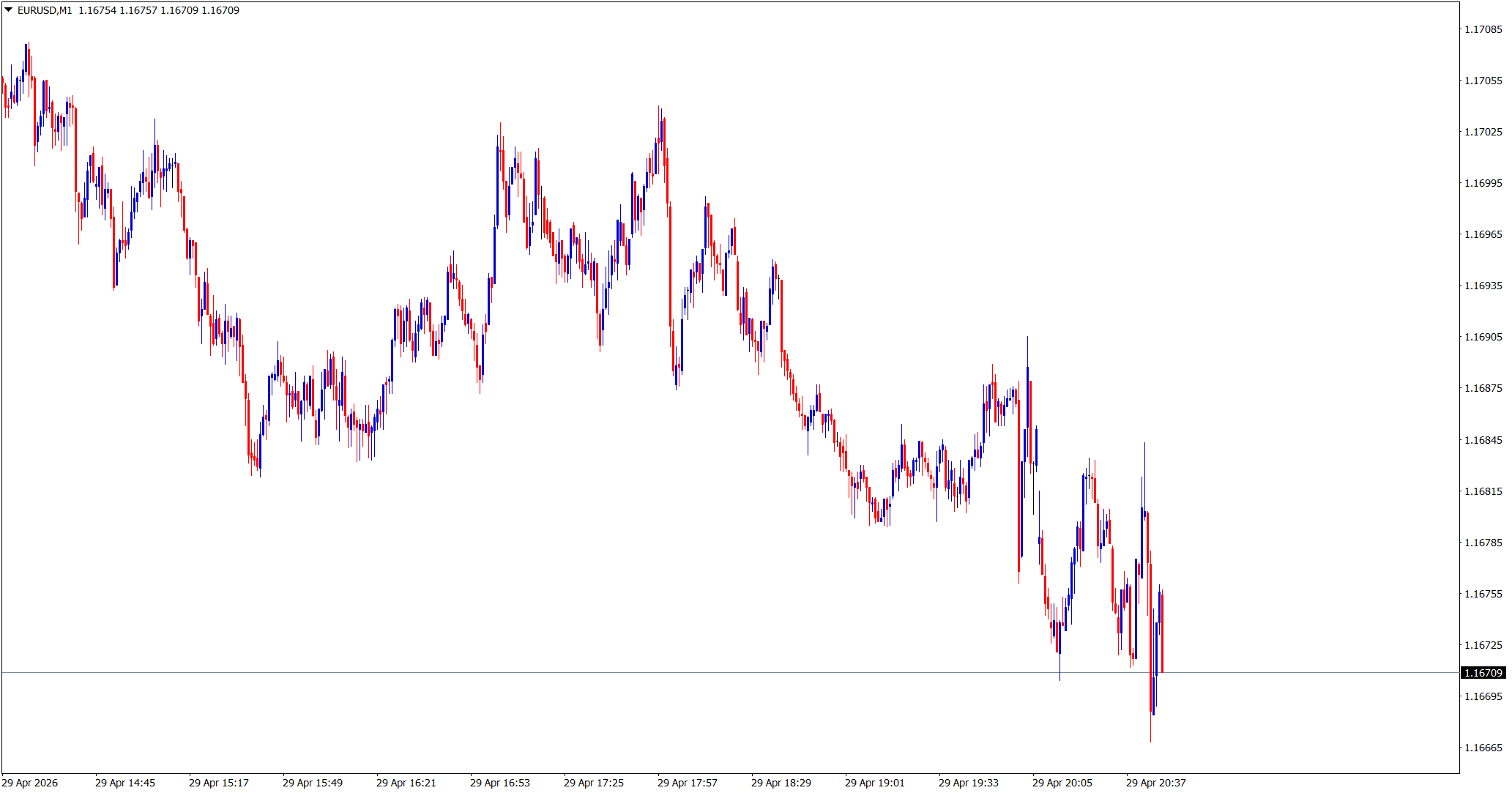
EUR/USD fell modestly toward 1.1611 after the payroll release.
Technically, the pair remained surprisingly resilient considering how large the payroll surprise was.
A result almost three times stronger than expectations would normally generate a substantial downside break in EUR/USD. Instead, the pair declined only modestly and remained within its broader early-September range.
That suggests much of the Fed-hike risk had already been priced.
The 1.16 area remained important short-term support. A clean break below it could expose a deeper decline, but continued stabilization would indicate the market remained unwilling to build aggressive long-dollar exposure before inflation data.
Fundamental Analysis
The payroll report strengthened the Fed’s case for another increase.
A labor market creating 162,000 jobs does not look like one requiring monetary support, especially while inflation remains above target and oil prices remain elevated.
UBS subsequently revised its outlook to expect two Fed hikes in 2026 — September and December — following the stronger employment data and Warsh’s hawkish Jackson Hole message.
However, slowing wage growth complicated the story.
If earnings growth is moderating, the labor market may not be generating the kind of wage-price spiral that would require aggressive tightening.
That explains why EUR/USD did not collapse: investors wanted to see CPI before committing to the idea of a renewed Fed hiking cycle.
USD/JPY
Technical Analysis
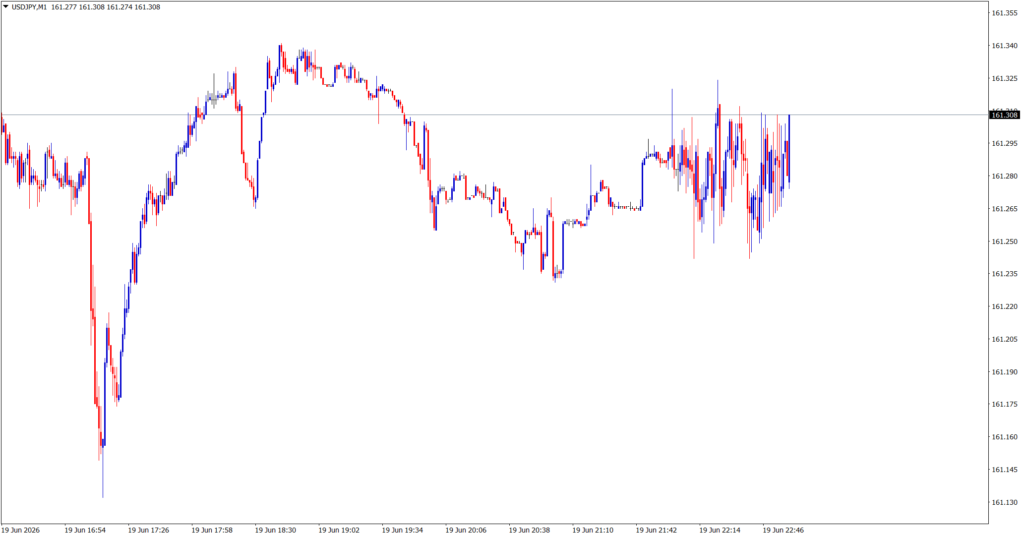
USD/JPY rose only around 0.26% to 156.19 despite the payroll blowout.
Technically, that muted response was extremely important.
The pair had traded above 160 earlier in the week, yet even powerful U.S. data failed to produce a sustained return toward that level.
The pair was instead testing the 155.21 area, the strongest yen level reached immediately after the previous U.S.-Japan intervention. A break below that zone would take the yen to its strongest level since early May.
This meant the technical bias had become materially more yen-positive.
The 155–156 region was now the major support zone for USD/JPY, while 158–160 increasingly looked like resistance.
Fundamental Analysis
The yen was benefiting from a much broader structural change.
Reuters reported that traders were increasingly expecting more or faster BOJ rate hikes, while Japanese insurers and pension funds were considering whether rising domestic yields justified repatriating foreign investments.
JPMorgan estimated that unwinding roughly 16–17 trillion yen of yen-short positions could theoretically push USD/JPY toward 142–146 if the process became disorderly.
The market was not pricing that scenario as a base case, but the existence of such a large short position helps explain why yen rallies can become self-reinforcing.
Friday demonstrated this clearly: even a strong U.S. payroll print could not fully revive USD/JPY.
GBP/USD
Technical Analysis
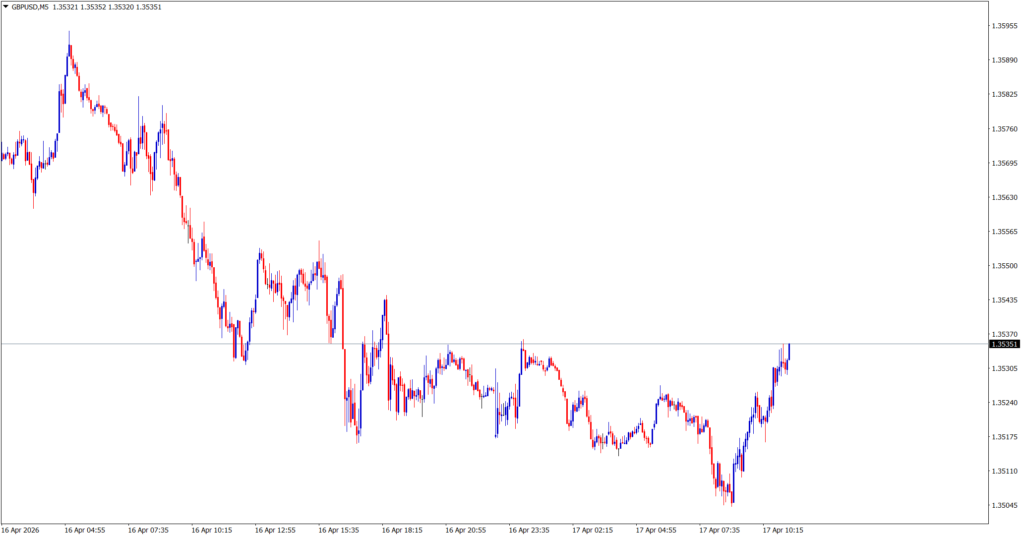
GBP/USD held near 1.3525 ahead of payrolls and remained comparatively stable despite the initial dollar surge.
Technically, sterling’s ability to remain above 1.35 was constructive after the three-week low reached earlier in the week.
The pair remained inside a consolidation structure, however, rather than establishing a fresh bullish trend.
The next major upside barrier remained in the mid-1.35s, while a sustained break below 1.35 would reopen the downside.
Fundamental Analysis
Sterling’s resilience reflected a relatively hawkish shift in UK rate expectations.
BoE Chief Economist Huw Pill had argued that earlier hikes could reduce the need for more aggressive tightening later. Money markets therefore expected approximately two rate increases over the following six months.
At the same time, British businesses reported slightly softer expectations for future price increases, complicating the case for immediate tightening.
The UK also faced political complications. Argentina’s President Javier Milei threatened sanctions on companies drilling around the Falkland Islands, while Washington signaled it was reviewing aspects of its traditional position on the dispute. Britain responded by reaffirming its commitment to the islands.
Those geopolitical issues did not materially move sterling on Friday, but they added another layer of uncertainty to a currency already navigating high energy costs and fiscal stress.
Market Outlook
September 4 completed a week that materially changed the balance of risks across major currencies.
The key developments were:
- U.S. payrolls strongly beat expectations, restoring the possibility of a September Fed hike.
- Wage growth slowed, preventing markets from treating the report as unambiguously inflationary.
- USD/JPY failed to rally meaningfully, showing that BOJ expectations, repatriation and carry-trade concerns were becoming increasingly powerful.
- EUR/USD held close to 1.16 despite the strong U.S. data.
- GBP/USD remained around 1.35, supported by rising BoE-hike expectations.
- Oil remained elevated after the renewed U.S.-Iran conflict, keeping energy inflation at the center of the global policy outlook.
The following week’s PPI and CPI releases therefore became decisive. Strong jobs had shown the U.S. economy could probably tolerate tighter monetary policy, but only another inflation acceleration would provide the Fed with a convincing reason to act immediately.
The broader FX message was equally important: the dollar still had a yield advantage, but it was losing its monopoly on hawkish monetary policy. Japan was moving closer to tightening, the ECB was preparing another hike, and the BoE was becoming less comfortable with energy-driven inflation.
That policy convergence explains why the dollar ended the week stronger after payrolls — but far less dominant than the employment surprise alone might have suggested.