


Thursday became a classic pre-payroll positioning session, but with an unusually strong geopolitical overlay.
The dollar posted its best day in roughly two weeks as investors reduced risk exposure ahead of Friday’s U.S. employment report and waited for details of a potential agreement involving Iran and the Strait of Hormuz. Reuters reported the dollar index rising around 0.31% to 99.97, while EUR/USD fell to approximately $1.1521 and GBP/USD to $1.34485.
USD/JPY rose for a third consecutive session to around 158.45, meaning the pair had already recovered almost half of its intervention-driven decline from Monday’s 155.20 low.
The move did not imply markets had forgotten intervention. Instead, it reflected a familiar macro reality: once the immediate forced liquidation ended, the U.S.-Japan yield differential began pulling the pair higher again.
Oil remained around or above $80, while traders weighed reports that Iran and regional governments were discussing arrangements around Hormuz. The possibility of de-escalation had removed some dollar safe-haven premium earlier in the week, but uncertainty over whether any agreement would actually be implemented prevented investors from becoming aggressively risk-on.
Equity markets also turned softer. Reuters reported South Korean shares falling about 5%, Japan down around 1%, and Wall Street mostly negative, helping the dollar regain some defensive demand.
USD/JPY
Technical Analysis
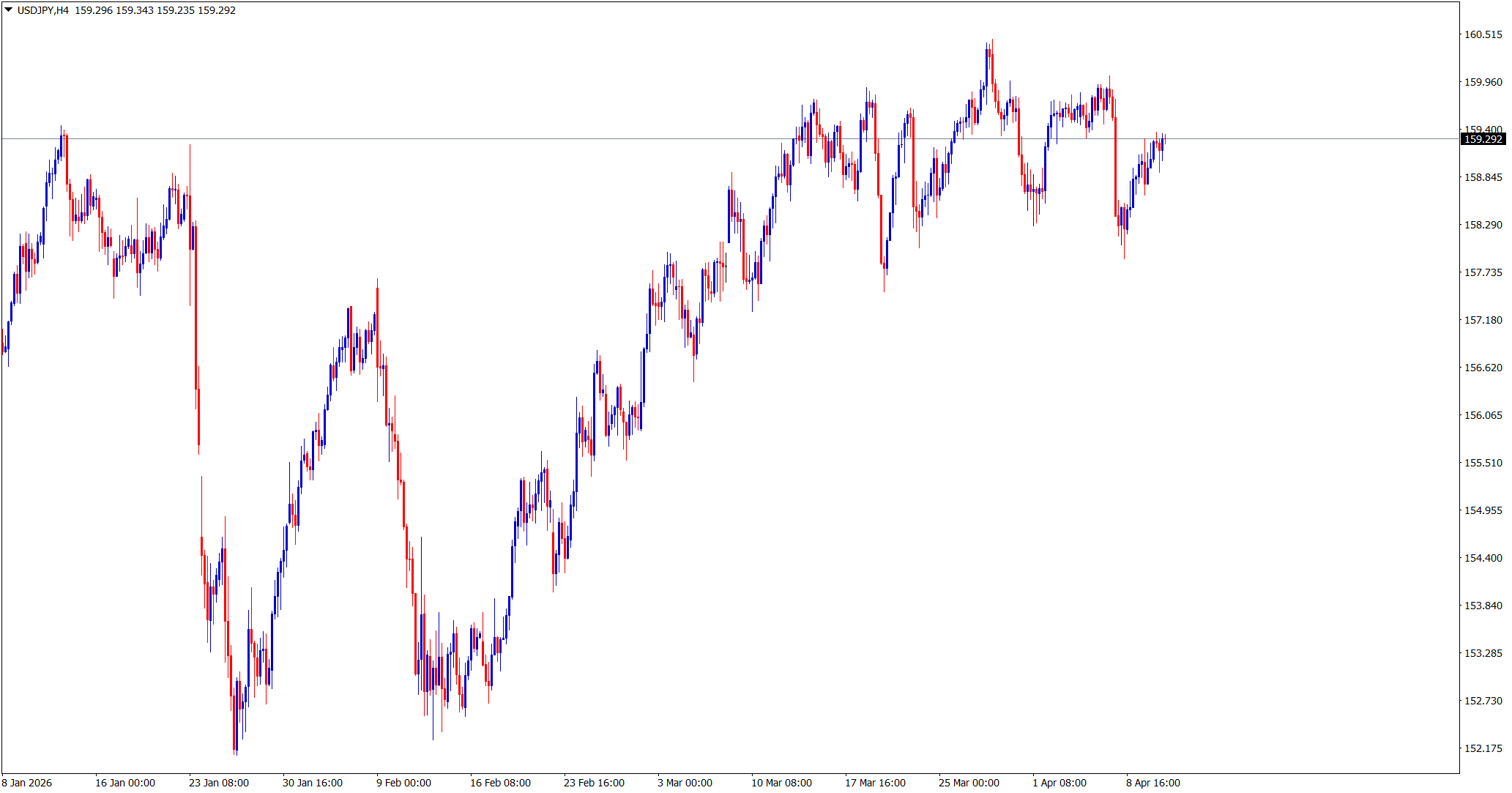
USD/JPY climbed to roughly 158.45, marking a third straight daily advance from Monday’s 155.20 low.
Technically, the rebound showed that intervention had broken momentum but had not destroyed the underlying demand for dollars versus yen. The pair recovered almost half the intervention move, suggesting buyers still consider the mid-150s attractive when U.S. yields remain high.
However, the technical landscape is very different from July. Traders now know that another rapid move through 160 could attract coordinated action.
The pair therefore retains upside support but with a much lower tolerance for momentum chasing.
Fundamental Analysis
The U.S.-Japan yield differential remained the core reason USD/JPY recovered. Markets were waiting for U.S. payrolls to determine whether the Fed still had room to raise rates, while the BOJ had not yet delivered the kind of policy tightening necessary to materially close the yield gap.
At the same time, the intervention threat remains credible. Former BOJ officials and U.S. policymakers have openly discussed the likelihood of renewed cooperation if yen weakness resumes.
So Thursday’s rebound was fundamentally sensible, but structurally fragile.
EUR/USD
Technical Analysis
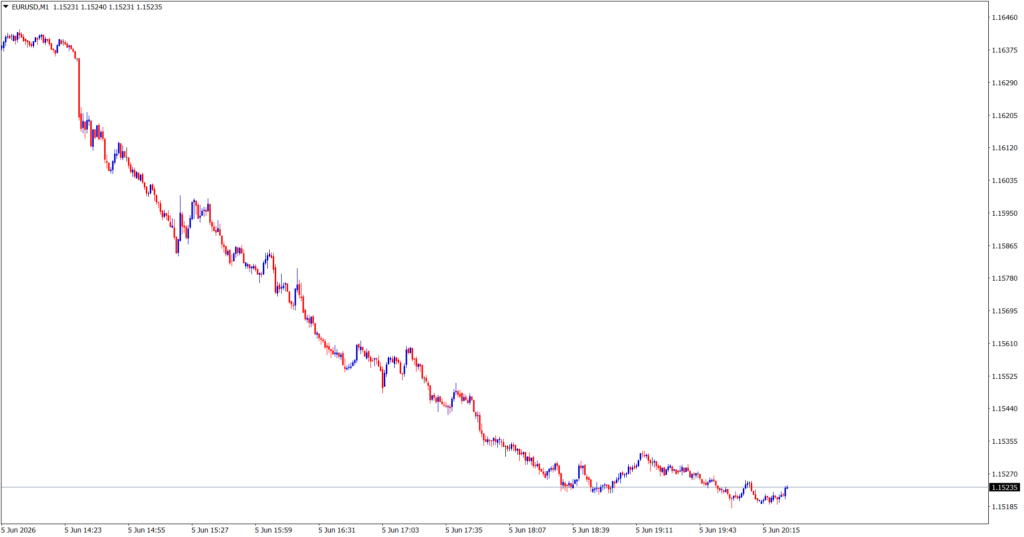
EUR/USD declined around 0.3% toward $1.1521, giving back part of the week’s gains.
The move looked corrective rather than a major breakdown. The pair remained above the levels that had defined its July weakness and continued consolidating near 1.15.
Fundamental Analysis
The euro weakened as traders rebuilt a small amount of defensive dollar exposure ahead of payrolls.
There was also less urgency to hold EUR long once the market paused its de-escalation trade. While lower oil remains beneficial for Europe, uncertainty about whether an Iran-Hormuz agreement would hold reduced confidence in the cleanest version of that narrative.
The euro therefore slipped mainly because traders did not want to carry large directional positions into an employment report capable of significantly changing Fed expectations.
GBP/USD
Technical Analysis
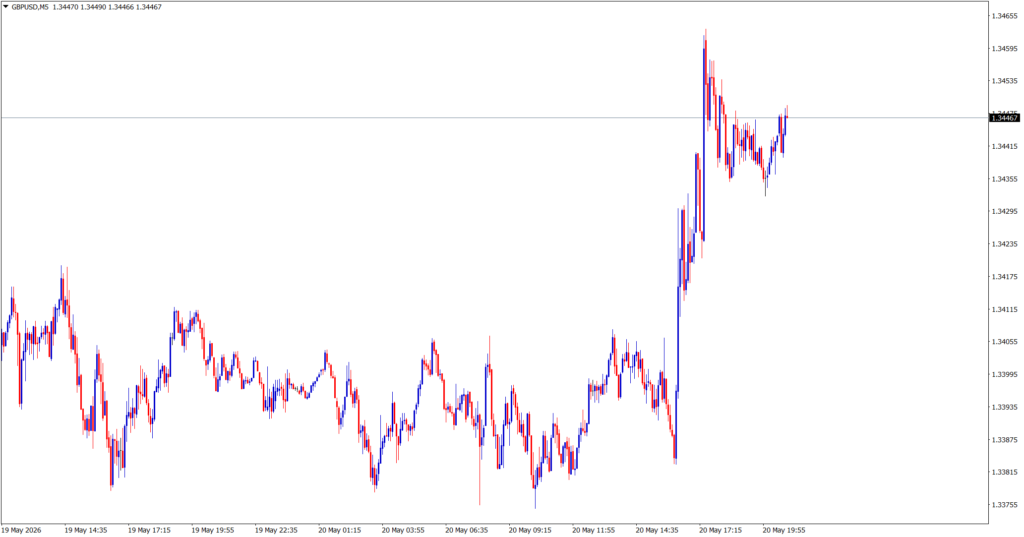
GBP/USD eased to approximately $1.3449, roughly 0.15% lower.
The decline was modest and left the pair within its broader consolidation range. Sterling’s July-August recovery structure therefore remained intact.
Fundamental Analysis
The pound lacked fresh domestic catalysts after Wednesday’s services-sector improvement. Traders instead focused on global events, payroll risk, and the possible Hormuz agreement.
Reuters noted that the Bank of England had recently left policy unchanged, while markets were not expecting another hike imminently. That reduced sterling’s independent rate advantage and made GBP/USD more sensitive to the U.S. employment outlook.
Market Outlook
Aug. 6 was essentially a setup session for payrolls.
- USD/JPY recovered further but remained intervention-sensitive.
- EUR/USD and GBP/USD slipped as traders cut anti-dollar exposure.
- The dollar’s rebound remained dependent on whether Friday’s employment report justified another Fed hike.
- A strong payroll print could have pushed USD/JPY back toward 160; a weak one risked reopening the post-intervention dollar selloff.