

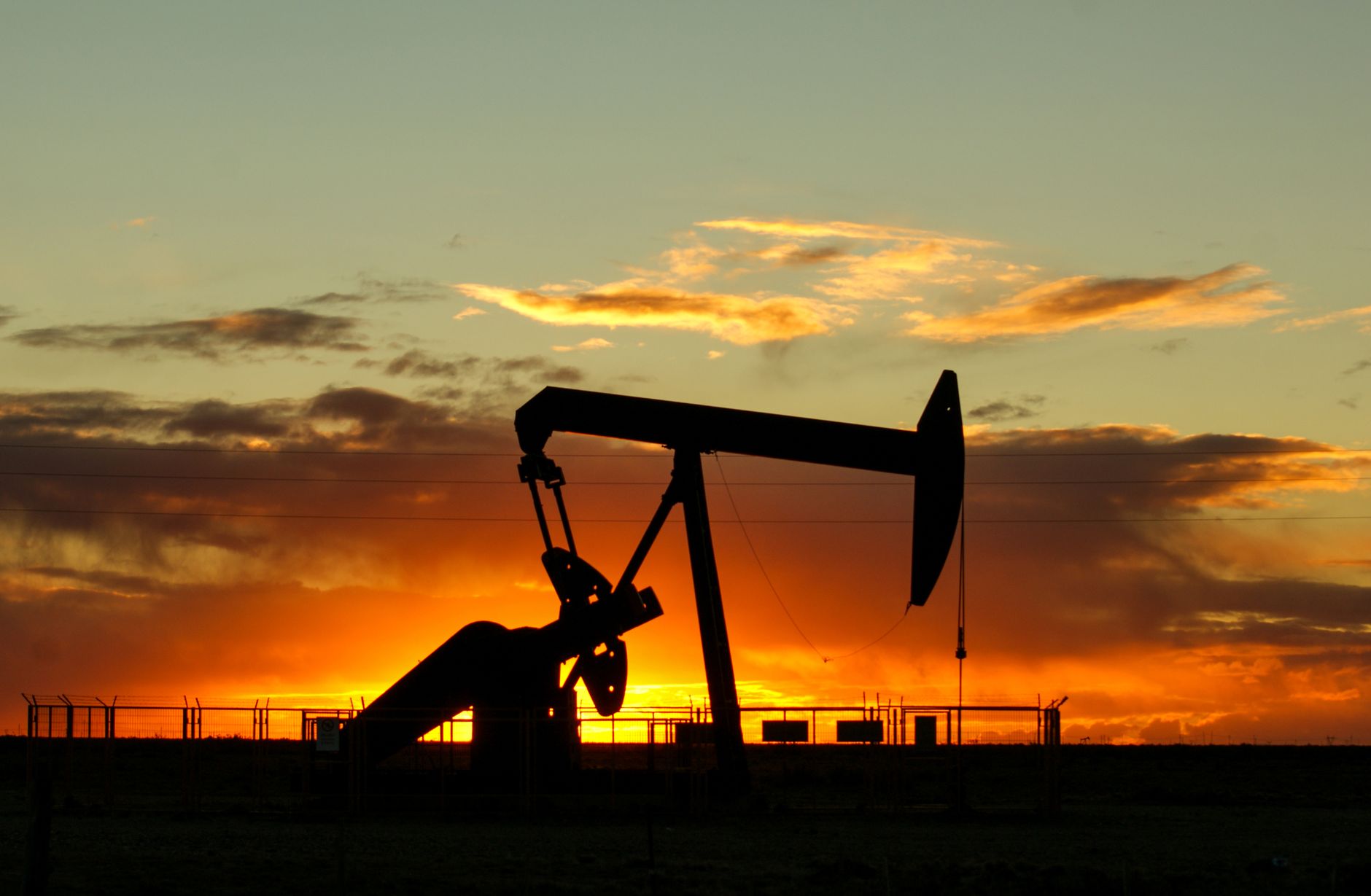
Fresh off its merger with Coterra, Devon is now one of America’s biggest shale producers and one of the most direct ways to trade the price of oil through a single stock. Go long or short as a CFD on Defcofx.
Devon Energy is an American oil and gas producer. It is what the industry calls an independent, or an E&P company, meaning it does one thing: it finds oil and gas in the ground and pulls it out to sell. Unlike Chevron or ExxonMobil, it does not run refineries or petrol stations, so its fortunes ride almost entirely on the price of what it produces.
The most important thing to know is what that makes the stock. Devon is a nearly pure play on the oil price. When crude rises, Devon earns more on every barrel and its cash flow swells. When crude falls, that reverses fast.
The other big thing is that Devon just got a lot bigger. In May 2026 it completed a merger with Coterra Energy, turning a mid-sized Permian driller into one of the largest shale operators in the country. That deal, and how well it comes together, is the story running through this stock right now.
The Devon and Coterra merger completed in May 2026. It is the single most important thing that has happened to this stock in years, and it reshaped the company from the ground up.
Bigger scale, lower costs, and a spread of basins and commodities that reduces reliance on any single field. Management is targeting $1 billion in annual cost savings, so every quarterly update on how fast those savings arrive moves the stock.
Because Devon just produces and sells oil and gas, with no refining to cushion it, the stock tends to move more than the oil price itself. A 10% move in crude often produces a bigger percentage move in Devon, as its profit margins expand or shrink on top of the price change. That is operational leverage, and it cuts both ways.
So if you have a strong view on where oil is heading, Devon is one of the sharpest ways to express it as a stock. Just size the position for the fact that it amplifies the move, up and down.
Devon is a higher-risk, higher-reward oil play, not a safe harbour. It can fall hard and fast when oil drops or OPEC+ opens the taps. A stop loss is essential, especially around OPEC+ meetings.
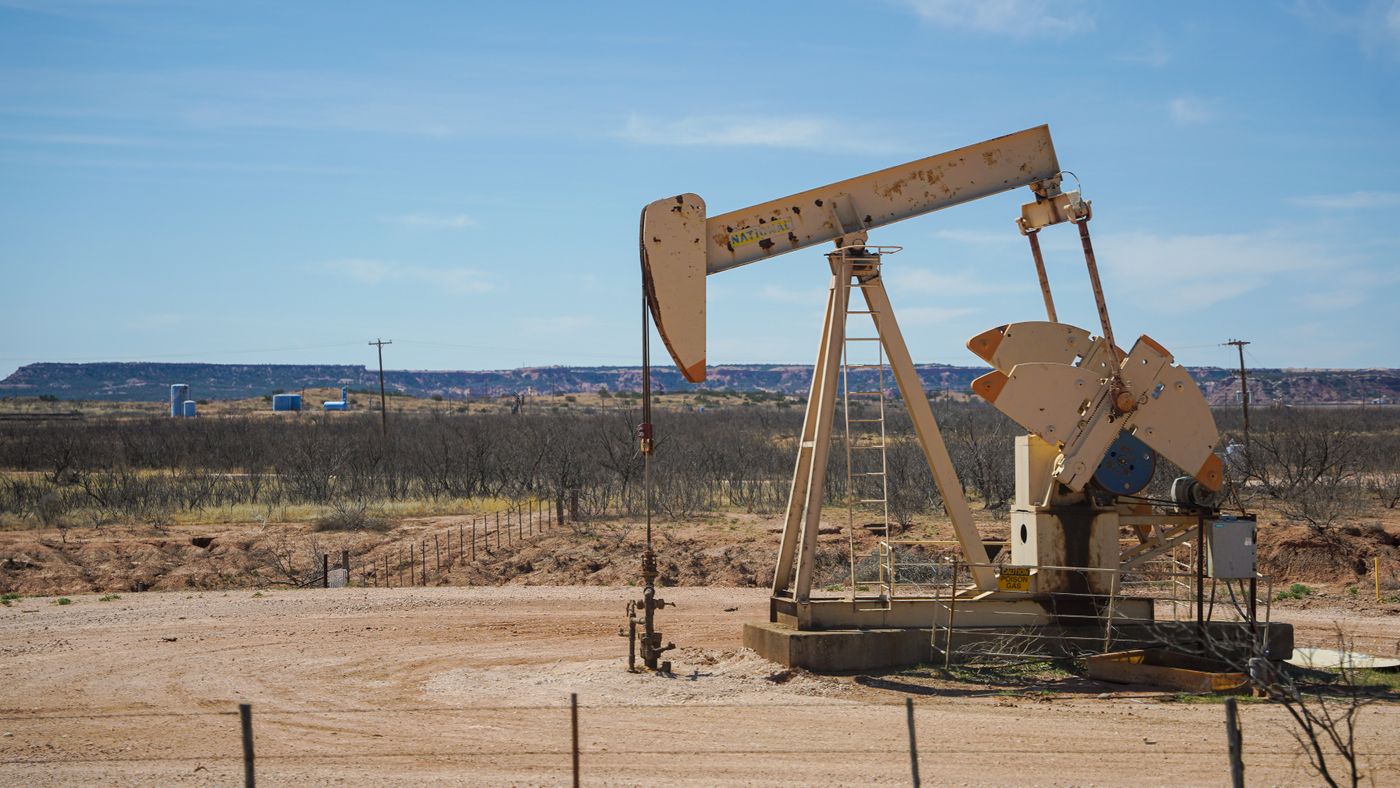
Oil is the headline, but a handful of company-specific things matter too, especially now the merger is bedding in. These are the ones to watch.
This is the dominant driver, full stop. Devon sells its oil at prices set by the global market, tracked in the US by WTI crude. When WTI rises, revenue per barrel and free cash flow expand. When it falls, margins compress quickly. DVN is one of the most direct equity expressions of the oil price you can trade, and it tends to amplify WTI’s moves.
The merged company is chasing $1 billion in annual pre-tax savings, aiming for $600 million captured in 2027 and full run-rate by the end of that year. Each earnings call now comes with a synergy progress update, and beating those targets tends to lift the stock because it means higher future earnings. Falling behind does the opposite.
The Delaware Basin in west Texas and New Mexico is Devon’s crown jewel, with wells that stay profitable below $50 a barrel. It is where most of the capital goes and where the growth comes from. A production beat there is read well; cost overruns or equipment and crew bottlenecks are read badly.
Devon aims to return up to 70% of its free cash flow to shareholders through a fixed dividend and an $8 billion buyback, while also paying down debt. In its first full quarter as a combined company it generated $1.7 billion of free cash flow and pumped oil at the top of guidance. Strong cash generation funds those returns and supports the price.
As a pure producer, Devon is more exposed to OPEC+ supply decisions than the integrated majors, so those meetings are the biggest external events for the stock. And thanks to Coterra’s Marcellus gas assets, Devon now also benefits when natural gas prices rise on LNG export demand or cold winters, a catalyst the old Devon did not have.
No jargon, just the numbers you need before you place a trade.
You put down a tenth of the position’s value to open the trade. Because Devon is a lower-priced share, the margin is very manageable. Using a round $48 per share, here is how it works out.
Those examples use a round $48 per share to keep the maths simple. The live price moves with oil, so the real margin will differ. Always check the current price and exact margin in MetaTrader 5 first, or use the Defcofx margin calculator.
Devon is one of the most direct ways to trade US shale oil as a stock, and with the Coterra merger it now comes with a clear synergy story on top of the oil-price exposure. At a 0.08 spread and 10% margin, you get that leverage to crude, the Delaware Basin and the integration story, long or short, without paying the full share price or opening a US brokerage account.
And because it is a CFD, you can go either way. Go long when oil is rising and production beats guidance, or short when crude weakens, OPEC+ signals more supply, or the merger integration disappoints. No swap fees on either side.
Put in $1,000 or more on your first deposit and you get a 40% bonus. It is open to clients everywhere. Terms and conditions apply, so do read them first. Defcofx is registered in Saint Lucia.
Want to see the rest of the shelf? Here is the full Defcofx stock CFD range, and you can watch live prices on the stock heat map.
Devon reports earnings in late January, April, July and October. The figures that move the stock most are oil production against guidance, capital spending against plan, free cash flow, and any change to the production or synergy outlook. Since the merger is new, the first several quarters will also be watched closely for signs the integration is on track: cost savings delivered, efficiency gains and debt reduction.
Devon’s earnings are tied directly to WTI, which can fall 20 to 30% within a quarter on OPEC+ decisions, a demand shock or geopolitics easing. A sustained drop below Devon’s planning assumptions cuts free cash flow sharply and can force a rethink of the buyback and dividend. This is a leveraged crude play, not a defensive one, so always use a stop loss, especially through OPEC+ meetings.
Devon is absorbing Coterra’s operations, people and systems while chasing $1 billion in savings, and integrations rarely run perfectly to schedule. Unexpected costs, staff departures or delays could push the synergy timeline out, and if management trims its targets the stock would feel it. Watch each earnings call for the synergy update and any change to the $600 million and $1 billion goals.
None of this is personal advice, just the things worth knowing. For the basics of sizing a position sensibly, the Defcofx risk management guide is a good starting point.
The average spread on DEVON at Defcofx is 0.08, with zero commission and no swap fees. At around $48 per share, that is your complete cost of trading.
The all-stock merger, completed in May 2026, turned Devon from a mid-sized Permian producer into one of the largest US shale operators. Combined 2026 production guidance is about 1.38 million barrels of oil equivalent per day across the Permian, Eagle Ford, Anadarko, Rockies and Marcellus. Devon increased production by roughly 66%, lowered costs, and is targeting $1 billion in annual pre-tax synergies.
The Delaware Basin is a sub-basin of the Permian in west Texas and southeast New Mexico, widely seen as one of the best shale oil regions in the US, with wells that can stay profitable below $50 a barrel. Devon controls around 400,000 net acres there, giving it more than a decade of high-quality drilling inventory. It is Devon’s primary growth engine.
Post-merger, Devon targets returning up to 70% of free cash flow through a fixed quarterly dividend and an $8 billion share buyback, while also paying down debt. It raised its dividend after the merger. As a CFD holder you hold a position on the price only, so check the Defcofx terms for how dividend adjustments are handled on stock CFDs.
Yes. You can open a short position at any time, with no swap fees. Traders often short DVN when WTI is falling, when OPEC+ signals more output, when the merger integration disappoints, or when quarterly production or free cash flow misses. Whether to do it is your own call.
Devon is a pure exploration and production company, so it has no refining to cushion low oil prices and its earnings swing more sharply with crude. Chevron is an integrated major with refining and chemicals that soften the ride. In short, Devon is the higher-risk, higher-reward oil play and Chevron is the steadier, more defensive one.
Open a live or demo account, log into MetaTrader 5, then search DEVON in the market watch. That is all it takes to start trading.
Spread of 0.08, zero commission, no swap fees and 10% margin. Trade America’s premier post-merger shale operator, anchored by the Delaware Basin, long or short on MetaTrader 5, with withdrawals processed within 4 business hours, weekends included.