


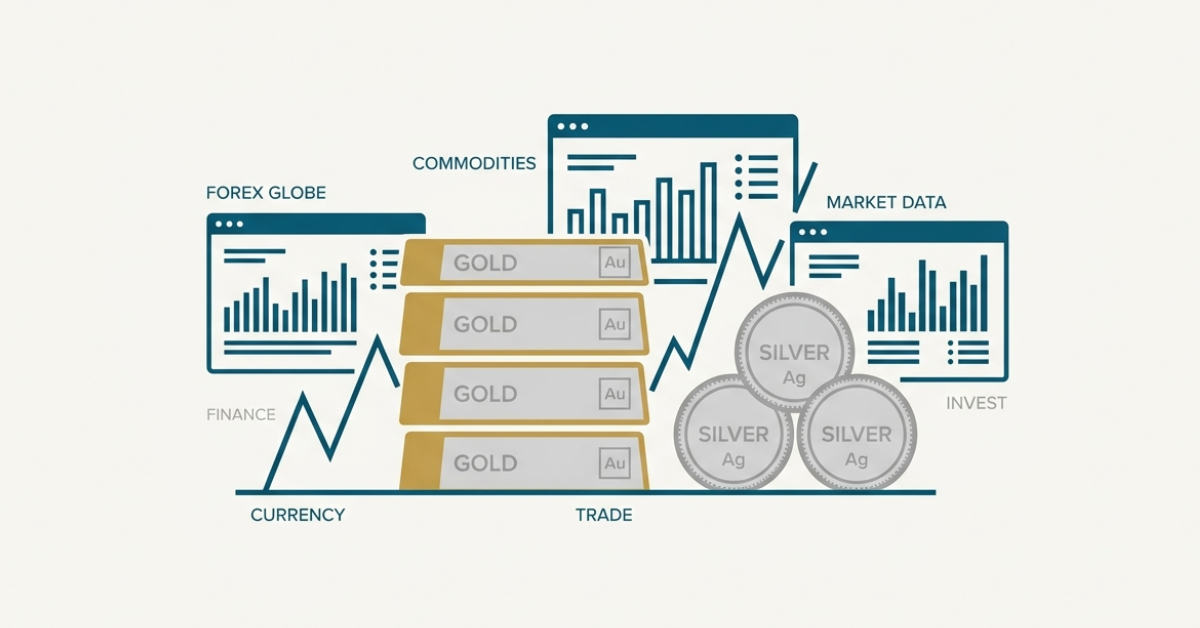
A Commodity Trading Advisor (CTA) is a professional or regulated firm that provides trading advice or directly manages client accounts in commodity, futures, and derivatives markets. CTAs typically use systematic strategies, trend-following models, or macroeconomic analysis to generate returns. In the United States, they are regulated by the Commodity Futures Trading Commission (CFTC) and often registered with the National Futures Association (NFA).
Key Takeaways
- CTA stands for Commodity Trading Advisor, a professional or firm specializing in commodity, futures, and derivatives trading
- CTAs may either provide trading advice or manage client money directly through discretionary or systematic trading accounts
- The most common CTA strategy is trend-following, identifying and riding sustained market momentum
- Many CTAs use systematic trading and algorithms rather than discretionary judgment
- In the US, most CTAs must register with the CFTC and NFA; other major jurisdictions have equivalent regulatory frameworks
- CTA strategies can profit in both rising and falling markets because they trade futures, which allow long and short positions
- Note: In marketing, “CTA” means “Call to Action.” In finance and trading, it always means “Commodity Trading Advisor.” These are entirely different uses of the same abbreviation
What Does a Commodity Trading Advisor Do?
A commodity trading advisor helps clients access returns from commodities, futures, and related financial markets. Depending on the structure of their service, a CTA may provide specific market recommendations and signals, or they may take full discretion over a client account and execute all trades on the client’s behalf.
The markets they operate in include physical commodities like gold, oil, agricultural products, and metals, as well as financial futures covering equity indices, interest rates, and currencies. Many also trade foreign exchange and options as part of broader multi-asset strategies.
Because commodity and futures markets are inherently volatile, CTAs typically place significant emphasis on risk management, including position sizing rules, leverage limits, drawdown controls, and systematic exit strategies.
How Commodity Trading Advisors Trade
CTAs are not a homogeneous group; they span a wide range of strategies, risk profiles, and market focuses. However, several core approaches define the majority of CTA activity.
- Trend-following (most common): CTAs identify markets that are in sustained directional trends and position themselves in the direction of that trend. They typically use systematic rules to enter when momentum is confirmed and exit when the trend weakens or reverses. Oil, gold, equity indices, and bond futures are frequently used markets for this approach.
- Systematic/quantitative trading: Many CTAs operate entirely through algorithms and rule-based models that process large amounts of market data, price, volume, volatility, and correlations to generate trading signals automatically. Human discretion plays little or no role in individual trade decisions.
- Macro trading: Macro-focused CTAs take positions based on broad economic conditions: interest rate cycles, inflation trends, currency policy shifts, and geopolitical developments. These CTAs often hold positions for weeks or months across multiple asset classes simultaneously.
- Short-term and mean-reversion: A smaller segment of CTAs uses counter-trend strategies or short-term statistical models to trade shorter time horizons. These are less common than trend-following but can complement a broader portfolio.
Why Investors Use Commodity Trading Advisors
CTAs serve a specific function in investment portfolios that most traditional asset managers cannot replicate.
- Portfolio diversification: Commodity and futures markets have historically shown low correlation with traditional stock and bond markets. Adding CTA exposure to a portfolio can reduce overall volatility and smooth returns through different economic cycles.
- Ability to profit in down markets: Because CTAs use futures contracts, they can take short positions as naturally as long positions. During equity bear markets or commodity sell-offs, a trend-following CTA that identified the move early can generate positive returns while traditional long-only portfolios are declining.
- Professional risk management: Regulated CTAs operate with documented risk management frameworks, including maximum drawdown limits, position sizing rules, and leverage controls. This structured discipline is something most individual investors cannot replicate on their own.
- Access to markets: Futures and commodity markets require specific infrastructure, expertise, and often minimum capital levels. CTAs provide access to these markets for investors who could not or would not participate directly.
CTA vs Traditional Investment Manager
| Feature | Commodity Trading Advisor (CTA) | Traditional Investment Manager |
| Primary Markets | Commodities, futures, derivatives, FX | Equities, bonds, mutual funds |
| Strategy Approach | Trend-following, systematic, macro | Long-term growth, value, income |
| Market Direction | Long and short positions | Primarily long-only |
| Liquidity | Highly liquid futures markets | Varies by asset class |
| Correlation | Low correlation to equities in many regimes | High correlation to stock markets |
| Risk Profile | Higher volatility, potential for large swings | More stable, less upside in trends |
| Fee Structure | Management fee + performance fee (common) | Management fee, sometimes performance |
| Regulation (US) | CFTC / NFA registered | SEC / FINRA registered |
CTA Regulation: What Investors Need to Know
In the United States, most individuals and firms providing commodity trading advice or managing client funds in commodity markets must register with the Commodity Futures Trading Commission (CFTC) as a CTA. Those who solicit or accept funds from others may also need to register as a commodity pool operator (CPO).
CTAs that manage client funds are also typically required to be members of the National Futures Association (NFA), which is a self-regulatory organization that sets compliance standards, conducts audits, and maintains a public database of registered advisors.
Similar regulatory frameworks exist in other major jurisdictions. In the UK, commodity trading advisors may be regulated by the Financial Conduct Authority (FCA). In the EU, regulations fall under MiFID II. In Australia, the Australian Securities and Investments Commission (ASIC) oversees these activities.
5 Risks of Working with Commodity Trading Advisors
Despite their professional structure, CTA strategies carry real risks that investors should understand clearly before committing capital.
- Market volatility: Commodity and futures markets can gap sharply on supply disruptions, geopolitical events, weather, and policy changes. Even systematic models are exposed to sudden, unexpected moves
- Leverage risk: Futures contracts are inherently leveraged instruments. Most CTA strategies use leverage, which amplifies both gains and losses. A 10% adverse move in an overleveraged position can cause much larger portfolio damage
- Strategy risk: Trend-following strategies underperform during sideways, choppy markets where trends reverse frequently. Long periods of flat or negative performance can occur even with a structurally sound strategy
- Drawdown periods: All CTA strategies experience drawdown. Some drawdown periods can last months or years before a strategy recovers. Investors must be willing to hold through these periods without panic-redeeming capital
- Manager risk: Like any managed fund, results depend partly on the skill and discipline of the people running the strategy. Even well-established CTAs can see performance deteriorate if market conditions shift or key personnel change
How CTA Principles Apply to Individual Forex and CFD Trading
While most individual retail traders will never use a CTA directly, the trading principles CTAs apply are highly relevant to anyone trading commodities, forex, or futures-based instruments independently.
- Trend identification: CTAs succeed by finding and following trends. Individual traders who learn to identify trending markets and trade in their direction benefit from the same core logic.
- Systematic discipline: The value of rule-based trading cannot be overstated. Traders who remove discretion from entry and exit decisions by following a tested system consistently outperform those who override their rules based on emotion.
- Risk management: Every professional CTA operates with strict drawdown limits and position sizing frameworks. Individual traders benefit from the same discipline through defined stop losses and capital allocation rules.
- Diversification across markets: CTAs spread exposure across multiple asset classes. Retail traders who trade forex, gold, indices, and energy across multiple instruments gain similar benefits from reducing single-market concentration.
Related reading: forex vs futures for a comparison of the two markets, and is gold considered a commodity for context on gold’s market classification.
Trade Commodity-Linked Markets with Defcofx
Defcofx offers access to commodity-linked instruments, including gold, oil, and indices, through CFDs on MetaTrader 5. While Defcofx is not a CTA, the platform provides the tools retail traders need to apply professional-style analysis to commodity markets.
- Access gold, oil, indices, and forex from a single MT5 account.
- Spreads from 0.3 pips with no commissions or swap fees
- Up to 1:2000 leverage with built-in negative balance protection
- 40% welcome bonus on first deposits of $1,000 or more. See the promotion page
- Use the economic calendar to track commodity market events, including OPEC decisions, US energy inventory reports, and Fed rate decisions
- Multiple account types available, including a demo account to practice commodity-linked strategies at zero risk
Access Commodity Markets Through Defcofx
Trade gold, oil, indices, and forex from a single MT5 account. Tight spreads, no commissions, and professional-grade charting tools for traders at every level.
Frequently Asked Questions
What does CTA stand for in trading?
In trading and finance, CTA stands for Commodity Trading Advisor. It refers to a registered professional or firm that provides trading advice or manages client investments in commodities, futures, and derivatives markets. Note: in marketing, “CTA” means “Call to Action,” a completely different use of the same acronym.
What markets do CTAs trade?
CTAs commonly trade commodity futures (gold, oil, and agricultural products), financial futures (equity indices and interest rates), currency futures, and derivatives. Many also have exposure to forex and options markets depending on their strategy.
Are commodity trading advisors regulated?
Yes. In the United States, most CTAs must register with the Commodity Futures Trading Commission (CFTC) and be members of the National Futures Association (NFA). Equivalent regulatory bodies oversee CTAs in the UK, EU, and Australia. Always verify a CTA’s registration status before allocating capital.
How do CTAs make money?
CTAs typically earn through a combination of management fees (a fixed percentage of assets under management) and performance fees (a percentage of profits generated, usually above a high-water mark). Common structures are 1–2% management fee plus 20% performance fee, though this varies.
What strategies do CTAs use?
The most common CTA strategy is trend-following, identifying and holding positions in the direction of sustained market momentum. Other strategies include systematic/algorithmic trading, macroeconomic analysis, and short-term statistical approaches. Many CTAs combine multiple strategies.
Are CTAs risky?
Yes. CTA strategies involve meaningful risk. Commodity and futures markets are inherently volatile, leverage is typically involved, and trend-following strategies can suffer extended drawdown periods during non-trending markets. Understanding the specific strategy and risk framework of any CTA is essential before investing.
Can beginners invest with CTAs?
Most CTAs have minimum investment requirements that make them inaccessible for retail beginners. However, individual traders can learn from CTA principles, trend identification, systematic rules, and disciplined risk management and apply them independently through platforms like Defcofx.
Do CTAs only trade commodities?
Despite the name, many CTAs trade well beyond physical commodities. Their mandate typically extends to all futures and derivatives markets, including equity index futures, interest rate futures, currency futures, and options. The “commodity” in the name reflects the historical regulatory classification rather than a narrow trading focus.
What is the difference between a CTA and a hedge fund?
Both can manage client money using sophisticated strategies. The main structural difference is regulatory: CTAs are regulated specifically under CFTC/NFA rules for futures and derivatives, while hedge funds fall under SEC/FINRA regulation and can hold a broader range of assets, including equities. Many hedge funds that trade primarily futures are also registered CTAs.
Learn to Apply Professional Trading Principles with Defcofx
Access commodity-linked markets, build systematic strategies, and manage risk like a professional, all from a single Defcofx account. Start risk-free on the demo.