


Thursday was a quieter session in headline terms, but beneath the surface the market was undergoing an increasingly important shift in how it viewed the yen.
After Wednesday’s nearly 1% surge, the Japanese currency strengthened again as traders speculated that authorities might have conducted a rate check or were preparing for another intervention. At the same time, BOJ-hike expectations continued to build. Reuters noted that the yen’s renewed move was occurring alongside growing speculation about tighter Japanese policy and official support.
This represented a meaningful transition.
During much of the summer, Japanese intervention had produced temporary yen rallies that traders quickly faded. By early September, however, the currency was beginning to strengthen without confirmed direct intervention, suggesting market positioning and rate expectations themselves were changing.
Oil remained close to six-week highs following renewed U.S. strikes on Iran. Brent settled around $95.52, while WTI closed at $91.30. The energy market was pulled in two directions: U.S.-Iran conflict threatened Gulf supplies, but Russian President Vladimir Putin signaled openness to peace negotiations over Ukraine, raising the possibility of improved Russian supply access.
The equity and bond backdrop stabilized somewhat after the severe moves earlier in the week. Traders were reluctant to establish large new positions ahead of Friday’s U.S. nonfarm-payroll report.
The employment release had become especially important because markets were caught between contradictory U.S. signals: Warsh and other Fed officials had turned more hawkish, but ADP hiring was weak.
USD/JPY
Technical Analysis
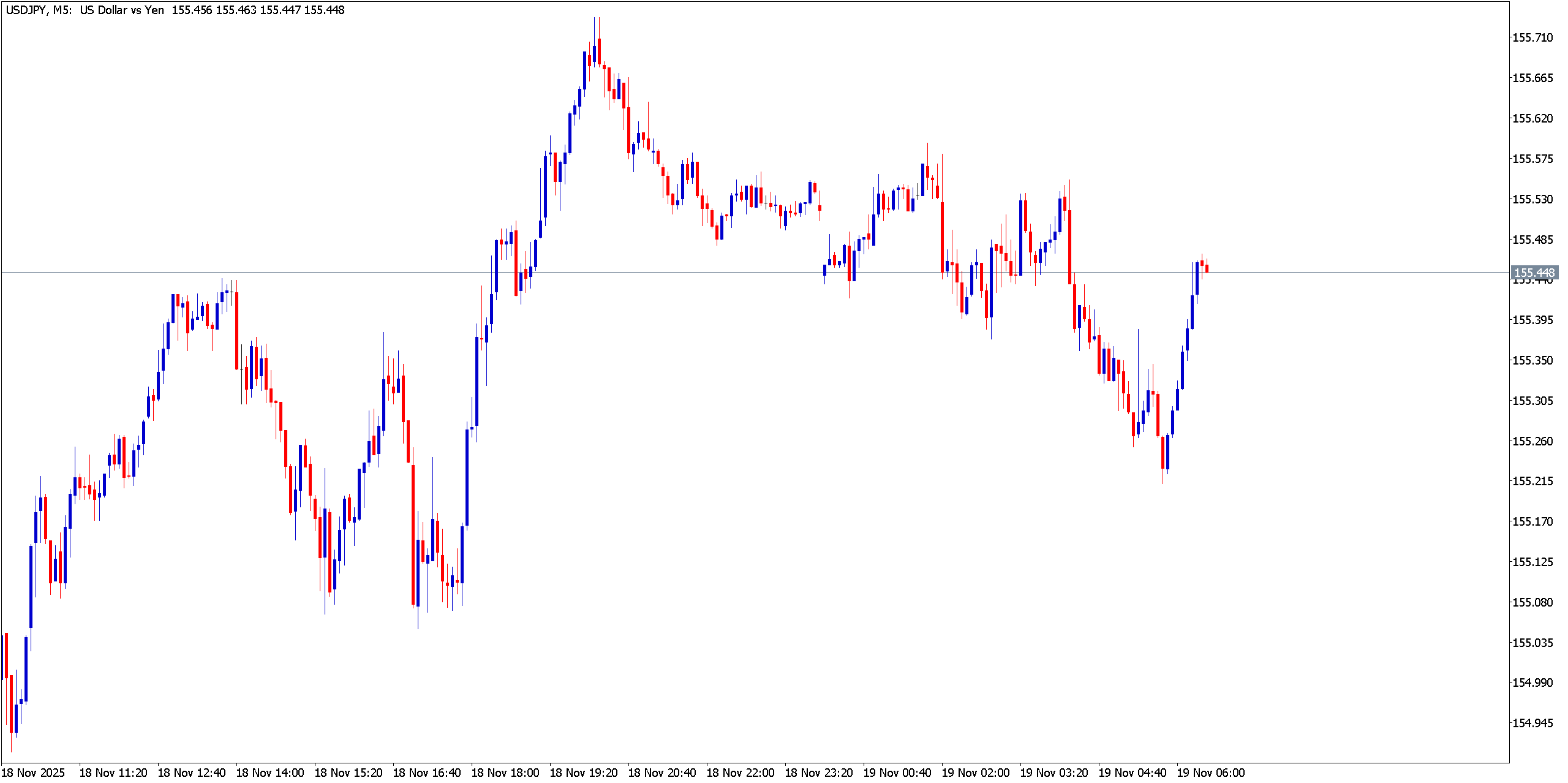
USD/JPY extended its retreat, reinforcing the rejection above 160 established earlier in the week.
The pair was increasingly developing a sequence of lower highs, which is one of the clearest signs that the market’s underlying psychology is changing.
The 158 region became an important immediate battleground. A clean break below it would expose the intervention-era support around 155–156.
Meanwhile, 160 was transitioning from a psychological threshold into genuine resistance.
The technical picture therefore looked materially more balanced than it had through most of 2026.
Fundamental Analysis
The yen was benefiting from three related developments.
First, Japanese policymakers were becoming more open about the need for further rate increases.
Second, U.S. officials were publicly supporting Japan’s efforts to strengthen the currency.
Third, rising Japanese yields increased speculation that domestic investors might begin repatriating capital from foreign bonds.
That third factor is especially important.
Japan owns an enormous stock of overseas assets. If insurers, pension funds or banks decide domestic yields are attractive enough to bring part of that money home, the resulting yen demand could dwarf conventional speculative positioning.
Thursday’s move suggested traders were increasingly willing to price that possibility.
GBP/USD
Technical Analysis
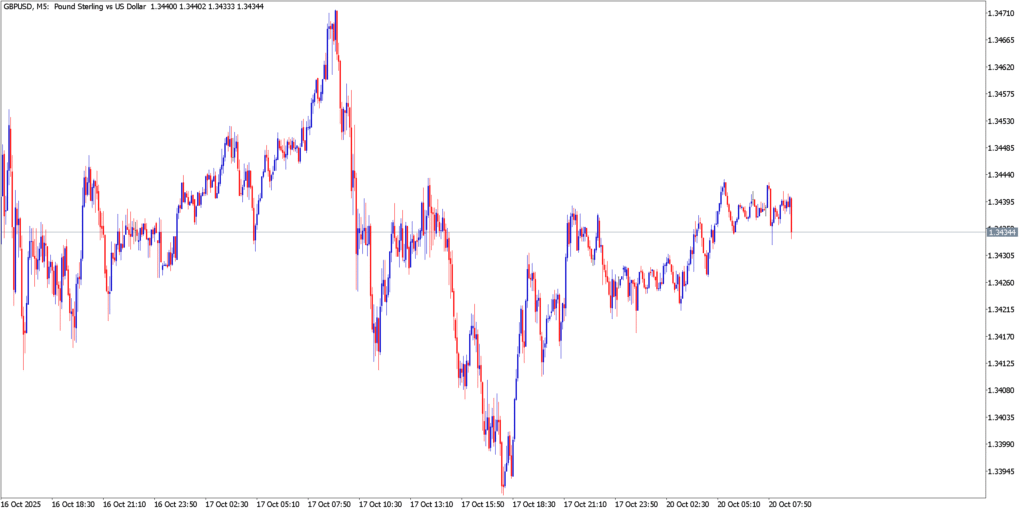
Sterling recovered roughly 0.3% during Thursday’s session, reversing part of Wednesday’s decline ahead of payrolls. Friday’s Reuters report noted the pound was holding around $1.3525 after Thursday’s rise.
Technically, GBP/USD had therefore reclaimed the 1.35 area.
That recovery reduced the immediate bearish signal generated by Wednesday’s three-week low.
However, the pair remained inside a broader range and would need a sustained move through higher resistance before the short-term structure could be considered convincingly bullish.
Fundamental Analysis
Sterling received some support from Bank of England rhetoric.
Chief Economist Huw Pill argued that raising rates sooner could reduce the need for more aggressive tightening later if Iran-war-driven inflation became embedded. Money markets consequently priced around two BoE hikes over the following six months.
Still, the Bank faced an uncomfortable policy mix.
The UK labor market remained soft, the government’s fiscal position was increasingly sensitive to high gilt yields, and imported energy inflation was rising.
This made Pill’s comments supportive for sterling in yield terms but concerning for the broader growth outlook.
EUR/USD
Technical Analysis
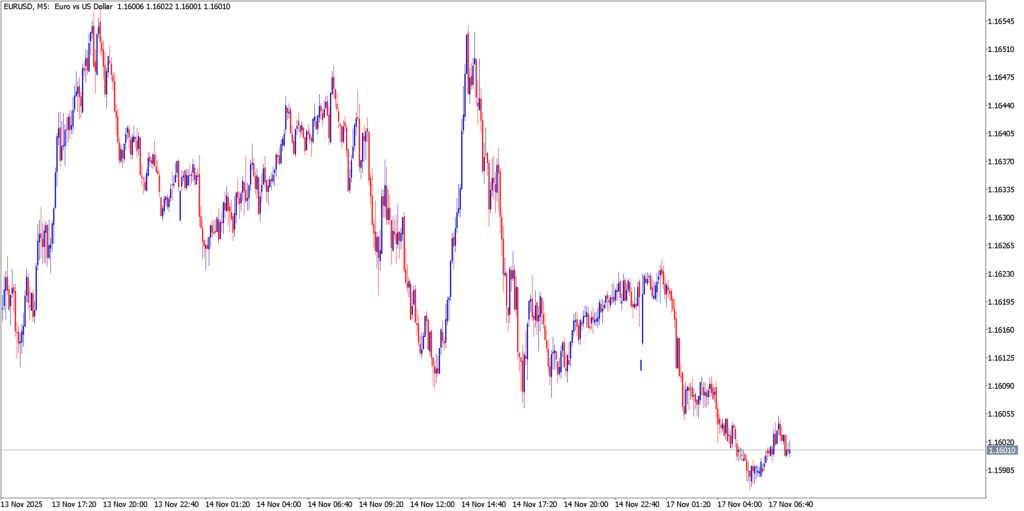
EUR/USD stabilized as traders reduced large directional positions ahead of U.S. payrolls.
The pair remained close to the levels established earlier in the week and showed little desire to break aggressively in either direction.
This type of compression is common before a major employment release capable of materially changing Fed expectations.
Fundamental Analysis
The euro remained caught between higher ECB-rate expectations and energy risk.
Brent near $95 reinforced the case for further ECB tightening, but Europe’s reliance on imported energy made sustained high oil economically painful.
At the same time, the possibility of progress in Russia-Ukraine diplomacy offered a partial counterweight. Putin’s willingness to discuss a peace settlement raised the possibility of improved energy and trade flows over time.
Thus, EUR/USD entered payroll Friday with no clean fundamental advantage on either side.
Market Outlook
September 3 was fundamentally a waiting session.
- USD/JPY continued developing a stronger-yen structure.
- GBP/USD reclaimed 1.35 as BoE rhetoric became more hawkish.
- EUR/USD remained range-bound ahead of payrolls.
- Oil stayed close to six-week highs, keeping inflation concerns alive.
The next session would determine whether the Fed-hike trade accelerated or suffered another setback.