


Friday concluded an extraordinary week in global FX with intervention risk overtaking monetary policy as the dominant driver of USD/JPY.
Japan had stepped into the foreign-exchange market a day earlier after the yen approached 164 per dollar, and central-bank data suggested Tokyo may have sold as much as $58.97 billion of reserves to buy yen. The scale was enormous and demonstrated how seriously policymakers viewed the currency’s deterioration.
The intervention also gained unprecedented international credibility. The U.S. Treasury informed several banks that it might intervene in the yen market itself and told them to remain prepared for future action. Japan’s top currency diplomat, Atsushi Mimura, suggested U.S. support extended beyond mere psychological backing.
That threat changed trader behavior immediately. USD/JPY fell another 0.8% toward 158.2 after Thursday’s roughly 2.4% plunge, while the yen briefly strengthened again during European trading as markets remained alert to a second intervention wave.
The BOJ itself kept rates unchanged at 1%, but delivered a more hawkish policy signal and acknowledged the possibility of earlier tightening as price pressures accumulated. The decision came directly after the intervention, making the combination significantly more credible than FX action alone.
The dollar was consequently on track for its largest weekly decline since January. That reflected not only yen strength but also Wednesday’s Fed hold and Thursday’s softer U.S. inflation data.
At the same time, financial markets were anything but uniformly risk-off. Strong results from Amazon and Microsoft brought investors back into the AI trade, lifting U.S. equities, while longer-dated Treasury yields reached new multi-year highs because rising oil prices and fiscal concerns continued threatening inflation.
This produced an unusual macro configuration: weaker dollar, stronger equities, sharply stronger yen, but extremely high long-term U.S. yields.
USD/JPY
Technical Analysis
USD/JPY remained the unquestioned center of the global currency market.
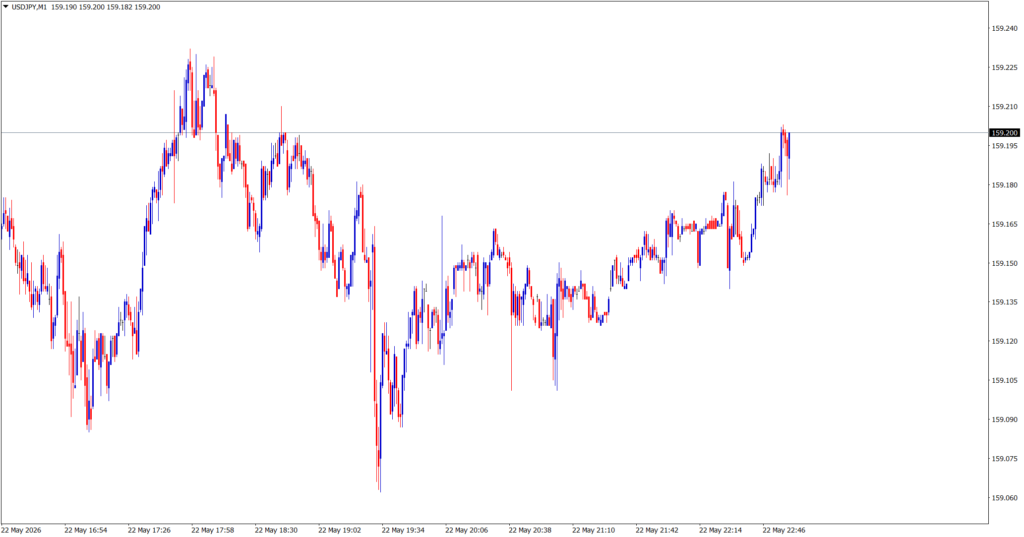
After falling from around 164 to below 159 on Thursday, the pair extended lower toward 158.2 on Friday. That represented one of the sharpest two-day yen rallies in years.
Technically, the intervention destroyed the immediate bullish momentum that had characterized July. The pair broke through multiple short-term supports almost instantaneously, forcing long-dollar positions to liquidate.
The important question now became whether the 157–158 region could form a durable base. A rebound above 160 would indicate that structural carry demand remained strong. Failure to reclaim 160, particularly if accompanied by further BOJ tightening expectations, could suggest that the four-decade yen low near 164 marked at least a medium-term peak.
Momentum indicators turned sharply lower, but intervention-driven markets can produce misleading technical signals because price is being influenced by non-commercial flows.
The more important technical change was psychological: traders could no longer assume authorities would merely issue verbal warnings.
Fundamental Analysis
Three separate forces suddenly aligned in favor of the yen.
First, Japan was buying its own currency with enormous size. Estimates suggested as much as $58.97 billion was deployed in the latest operation.
Second, the BOJ delivered a hawkish signal despite keeping rates at 1%, reinforcing expectations that policy normalization could resume sooner than previously assumed.
Third, and potentially most importantly, the U.S. Treasury signaled willingness to support Japan’s campaign. That removed the perception that Tokyo was fighting global dollar flows alone.
Reuters later confirmed the July 30–31 episode as coordinated yen-buying intervention involving Japan and the United States, the first operation of this kind in years.
The combination made this intervention fundamentally more credible than previous unilateral operations.
Yet Japan’s structural problems remained. Prime Minister Takaichi’s fiscal expansion continued putting upward pressure on Japanese bond yields and raising debt concerns. Intervention can slow depreciation, but without sustainable improvement in fiscal credibility and monetary-policy normalization, some pressure on the yen could eventually return. Reuters Breakingviews noted that the yen already gave back part of its initial move in Asian trading after the BOJ held rates, highlighting the continuing conflict between intervention and domestic policy fundamentals.
EUR/USD
Technical Analysis
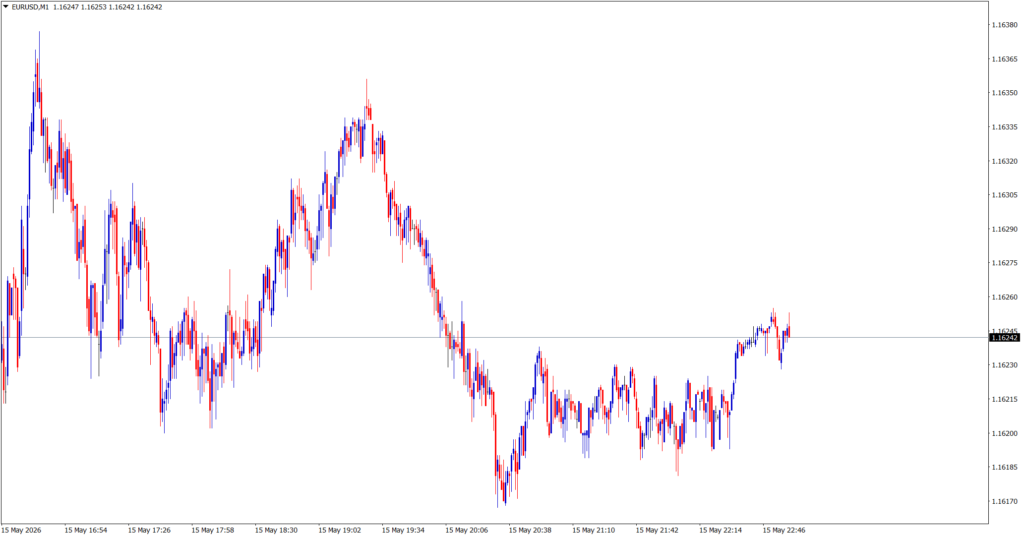
EUR/USD remained supported into Friday after Thursday’s strong rally. The pair benefited from continued broad dollar weakness as investors reduced Fed-hike expectations.
Technically, the euro had now repaired a substantial portion of the damage accumulated earlier in July. Holding above the 1.15 area suggested buyers had regained control of the short-term structure.
A sustained close above recent resistance would strengthen the case for additional upside. However, EUR/USD remained less explosive than USD/JPY because intervention was specifically targeted at the yen.
Fundamental Analysis
The euro benefited from several dollar-negative forces.
The Fed had kept rates unchanged, U.S. inflation had softened, and Japanese intervention had triggered broad deleveraging from long-dollar positions. These forces reduced the attractiveness of chasing the greenback after its strong July performance.
However, long-term Treasury yields remained elevated and oil had climbed again, preventing the euro from enjoying an entirely clean macro backdrop. Europe remained vulnerable to another energy shock, while higher U.S. long-term yields continued supporting dollar-denominated fixed income.
EUR/USD therefore entered August with improved momentum but not an overwhelmingly bullish fundamental case.
GBP/USD
Technical Analysis
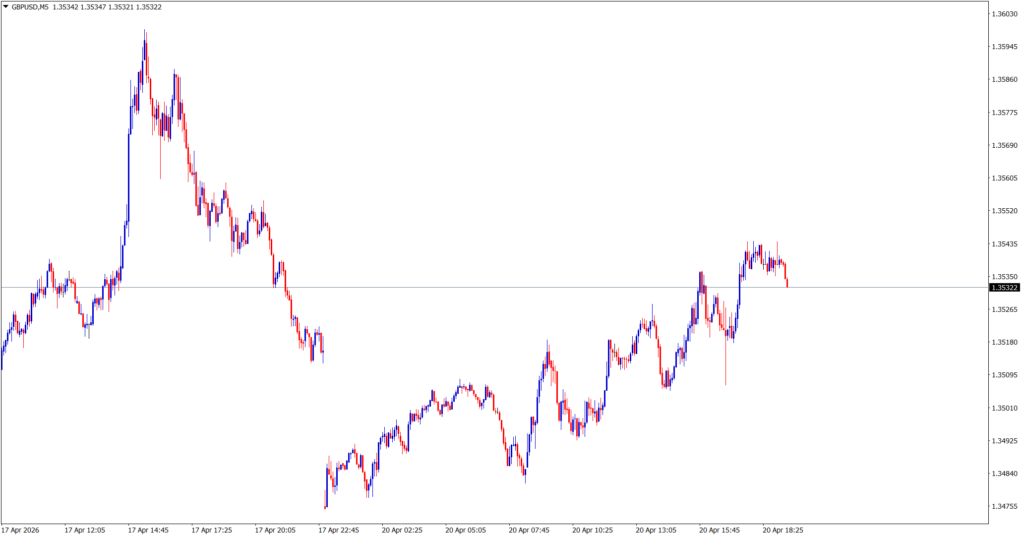
GBP/USD remained more restrained after Thursday’s BoE decision. The pair recovered from earlier July lows but lacked the strength seen in EUR/USD.
Technically, sterling was consolidating around the low-to-mid $1.33 area. Buyers had successfully defended the deeper July support zone, but the pair needed a stronger catalyst before challenging the highs reached earlier in the summer.
Fundamental Analysis
The pound remained constrained by the BoE’s message that there was limited evidence of the Iran-driven energy shock passing into broader domestic inflation. That reduced expectations for near-term tightening even though three policymakers had voted for a hike.
At the same time, the Fed’s hold and softer U.S. inflation weakened the dollar enough to prevent GBP/USD from sliding further.
UK fiscal policy remained a longer-term concern under the new Burnham government, while high global long-term yields also kept attention on debt sustainability across developed markets.
This left sterling in a middle position: stronger against a broadly softer dollar, but lacking the clear domestic policy catalyst needed to outperform decisively.
Market Outlook
July 31 ended a week that dramatically altered the global FX landscape.
The biggest development was not the Fed or BoE. It was the realization that Japan’s intervention campaign had international backing.
For the next phase:
- USD/JPY: The 157–160 area becomes crucial. Renewed intervention or clearer BOJ tightening signals could extend the yen rally, while a rapid rebound toward 162 would test whether authorities are willing to act repeatedly.
- EUR/USD: Softer U.S. inflation and reduced Fed-hike expectations have improved the technical structure, but high long-term Treasury yields remain a constraint.
- GBP/USD: Sterling has stabilized but remains limited by a BoE that sees little evidence of widespread second-round energy inflation.
- U.S. dollar: The greenback headed for its largest weekly fall since January as the Fed hold, softer inflation, and yen intervention combined to reverse much of the earlier July strength.
The broader political implications are equally significant. Washington’s willingness to support Japan demonstrated that currency stability had become a shared U.S.-Japan policy objective rather than merely a domestic Japanese concern. Combined with the BOJ’s more hawkish signal, this means traders entering August must treat the yen differently than they did throughout the first seven months of 2026.