


Wednesday produced one of the first convincing signs that the yen’s post-intervention recovery might be developing into something more durable.
The yen strengthened nearly 1% against the dollar to around 158.92, its largest single-day advance since the coordinated U.S.-Japan intervention a month earlier. The move followed increasingly hawkish comments from Japanese officials and visible U.S. political support for tighter Japanese monetary policy.
BOJ board member Hajime Takata said the central bank should raise rates “nimbly” to address intensifying inflation pressure rather than adhere to the slow pace investors had previously assumed. That language mattered because markets had largely built their yen-bearish positions around the assumption that Governor Ueda would normalize only gradually.
At the same time, the U.S. labor picture weakened.
The ADP private-employment report showed only 38,000 jobs added in August, below the roughly 48,000 economists had expected. That did not completely reverse Fed-hike pricing, but it complicated the increasingly hawkish narrative that had developed after Warsh’s Jackson Hole speech.
Treasury yields eased slightly from multi-year highs, with the 10-year around 4.79%, while Wall Street rebounded after three consecutive declining sessions. The Dow rose 0.56%, the S&P 500 gained 0.46% and the Nasdaq advanced 0.45%.
Oil remained elevated as U.S.-Iran hostilities continued. Brent settled around $95.63 and WTI near $91.01, reinforcing the inflationary pressure that had driven the global bond selloff earlier in the week.
Sterling performed poorly. GBP/USD touched a three-week low near $1.3490, while UK government borrowing costs surged to 18-year highs ahead of Finance Minister John Healey’s first budget.
USD/JPY
Technical Analysis
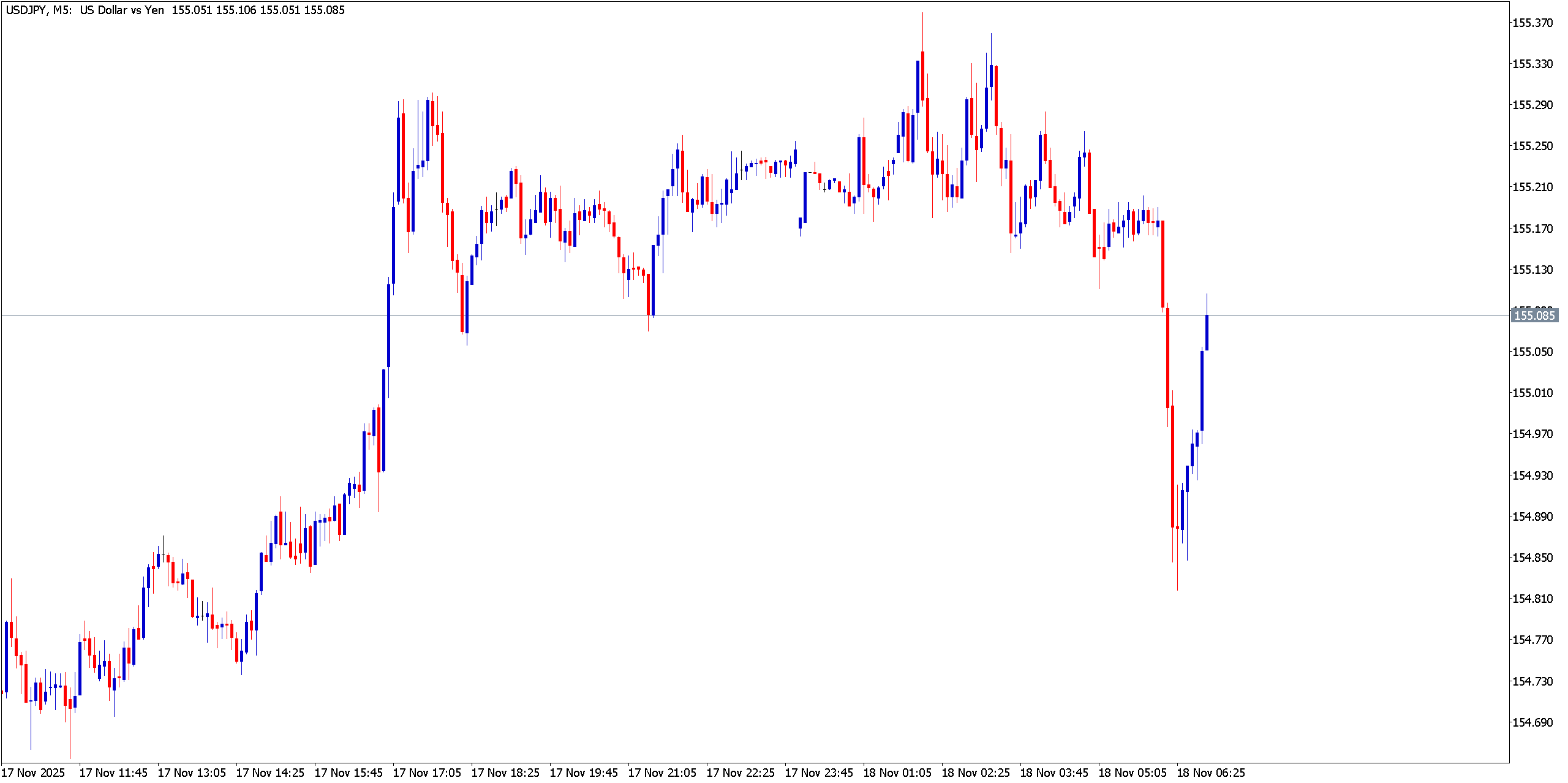
USD/JPY fell toward 158.9, reversing much of Tuesday’s rise above 160.
Technically, this was an important rejection.
The pair had repeatedly attempted to re-establish itself above 160 during August, but Wednesday’s sharp decline suggested the market’s tolerance for yen shorts was diminishing.
The move created a lower high relative to the summer extremes and returned the pair to the mid-to-upper 150s.
A sustained break beneath 158 would expose the 156–155 intervention zone. On the upside, 160 was becoming increasingly formidable resistance because each move above it raised both BOJ and intervention risk.
Momentum was starting to shift in the yen’s favor.
Fundamental Analysis
The catalyst was not simply intervention fear.
BOJ officials were becoming more openly hawkish, while Japanese government bond yields were already at three-decade highs. This increased the attractiveness of domestic Japanese assets and reduced the incentive for investors to maintain enormous overseas allocations.
U.S. Treasury support further strengthened the signal.
Bessent’s public comments effectively told markets that Washington preferred a stronger yen and wanted Tokyo to use monetary policy rather than rely exclusively on intervention.
That matters because it links FX stabilization to an actual narrowing of the yield differential.
Meanwhile, weak ADP employment reduced confidence that the Fed could continue tightening aggressively.
For the first time in months, the two sides of USD/JPY were beginning to move in the same direction: more hawkish Japan and a potentially less hawkish United States.
GBP/USD
Technical Analysis
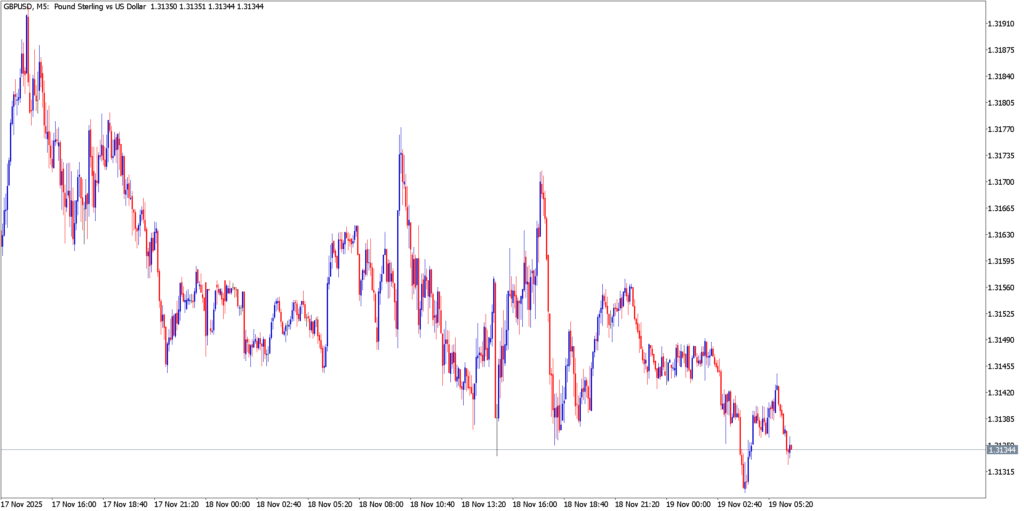
GBP/USD fell as low as 1.3490, its weakest level since August 14, before recovering slightly toward 1.3510.
Technically, the break beneath 1.35 was important, though the limited follow-through prevented it from becoming a decisive bearish signal.
The pair was increasingly vulnerable to UK-specific bond and fiscal stress rather than simply dollar strength.
If 1.35 failed to hold consistently, the next downside targets would sit around the mid-1.34s.
Fundamental Analysis
Sterling faced a difficult domestic backdrop.
UK gilt yields rose to fresh 18-year highs, increasing debt-servicing costs and reducing Finance Minister John Healey’s fiscal room ahead of the October 28 budget.
This is one of the reasons high yields are not automatically bullish for a currency.
When yields rise because economic growth is strong and a central bank is tightening into healthy demand, they can attract capital.
When they rise because investors worry about inflation, fiscal sustainability or debt supply, the currency may instead weaken.
The UK was increasingly moving toward the second category.
Markets still expected the Bank of England to keep rates at 3.75% in September, with only a possible quarter-point increase later in the year.
That left sterling at a disadvantage against a dollar still supported by a meaningful chance of September Fed tightening.
EUR/USD
Technical Analysis
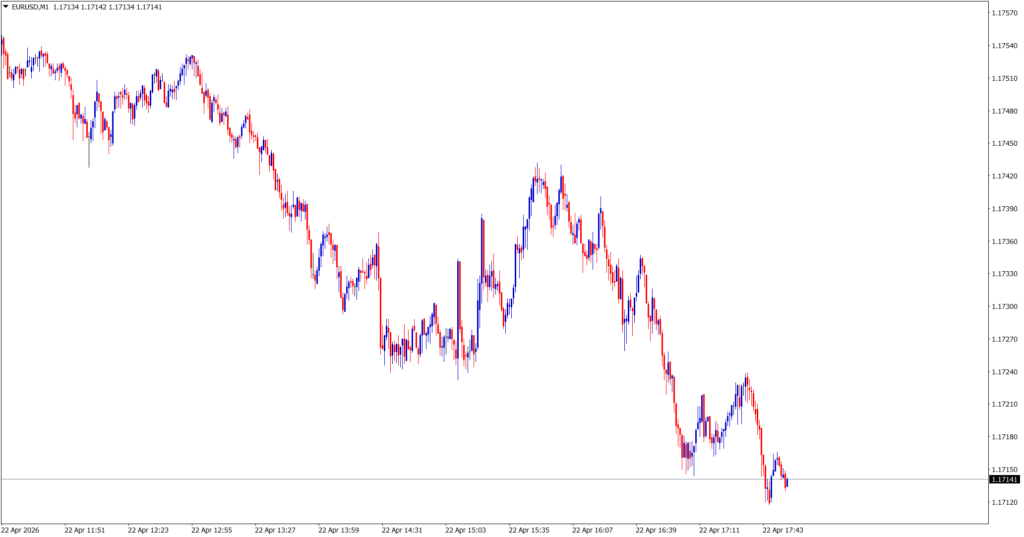
EUR/USD remained under pressure but did not experience the same sharp deterioration as sterling.
The pair continued trading below recent highs as investors sought defensive dollar exposure amid the U.S.-Iran escalation.
Technically, the euro remained in consolidation rather than freefall. Buyers continued appearing on deeper dips, but the pair lacked enough momentum to break higher while energy and bond-market risks remained elevated.
Fundamental Analysis
Europe faced the same global bond problem as Britain.
Energy-driven inflation was pushing yields higher, while geopolitical uncertainty threatened growth.
The ECB was expected to remain relatively hawkish because it could not ignore the inflation consequences of $90-plus oil.
However, Wednesday’s weak U.S. ADP number slightly reduced the dollar’s policy advantage.
That kept EUR/USD from extending significantly lower even as the broader geopolitical environment remained dollar-positive.
Market Outlook
September 2 shifted the balance within the week.
- USD/JPY began reacting to genuine BOJ policy expectations rather than merely intervention fear.
- GBP/USD became increasingly sensitive to Britain’s fiscal and gilt-market problems.
- EUR/USD remained pressured but received some relief from softer U.S. employment data.
- Friday’s payroll report now carried even greater importance because ADP had introduced doubt into the Fed-hike story.