


Friday concluded an eventful week of central bank decisions with the Bank of Japan leaving its benchmark interest rate unchanged at 1.25%.
Although the decision was widely anticipated, policymakers raised their inflation outlook and indicated that Japan had entered a more active phase of monetary normalization.
The yen strengthened for a third consecutive session, with USD/JPY trading around 157.51. Meanwhile, the dollar index remained near 101.88, reflecting pressure from declining U.S. Treasury yields.
Concerns about excessive spending on artificial intelligence infrastructure continued weighing on technology stocks. Investors responded by increasing demand for government bonds, contributing to lower yields and weakening the dollar’s interest-rate advantage.
Major Pairs Analysis
USD/JPY
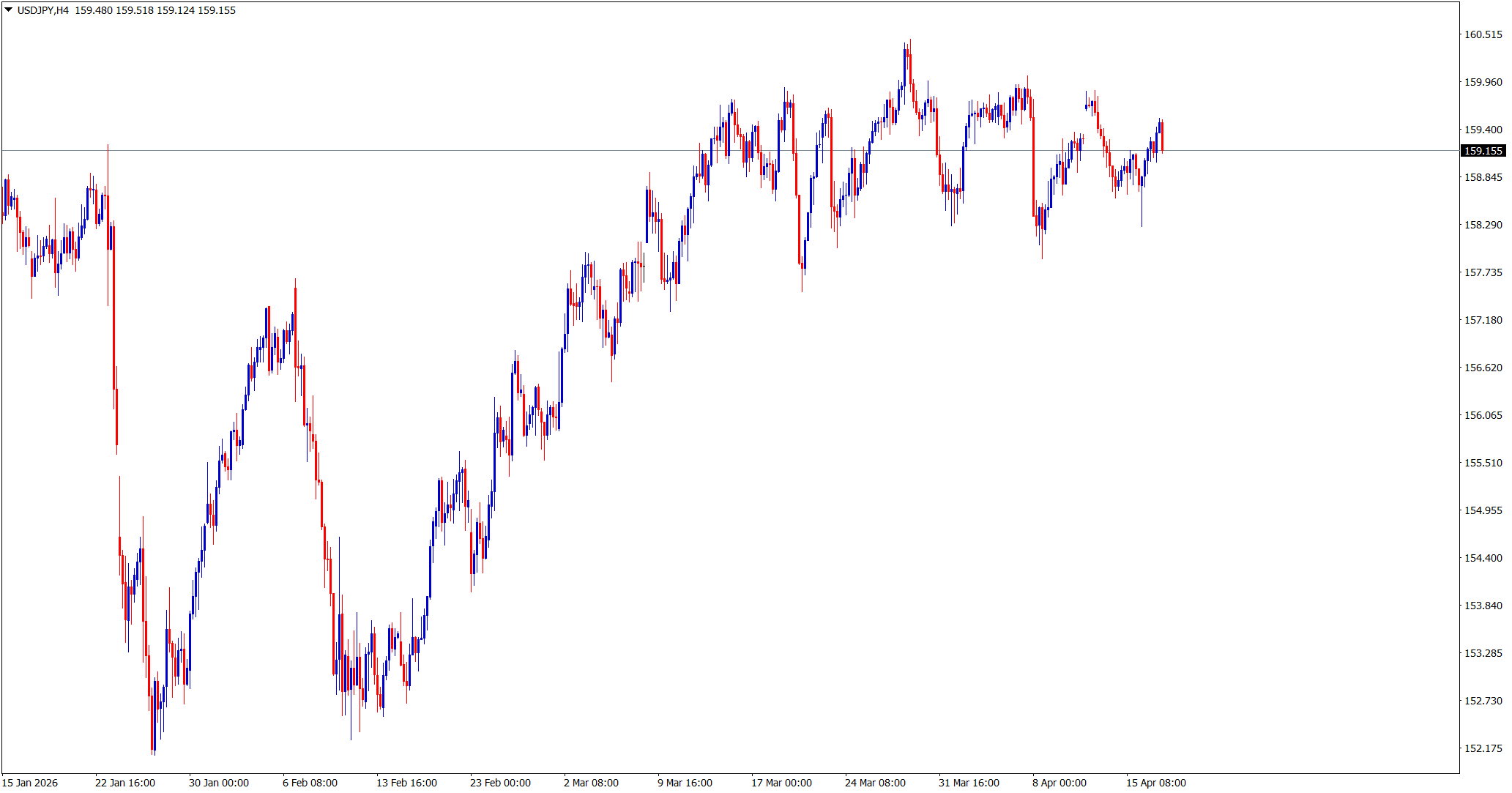
Technical Analysis: USD/JPY declined toward 157.51, extending its recent correction. The pair traded within a verified Bank of Japan daily range of approximately 157.12–157.89.
The 157 region represented important nearby support, while a recovery above 158 would be necessary to restore stronger upward momentum.
Fundamental Analysis: The BOJ’s upgraded inflation outlook strengthened expectations for additional rate increases. Analysts considered the possibility of further tightening in December and during 2027, which could gradually narrow the U.S.-Japan interest-rate differential.
Falling U.S. Treasury yields also supported the yen by reducing the attractiveness of dollar-denominated assets.
EUR/USD
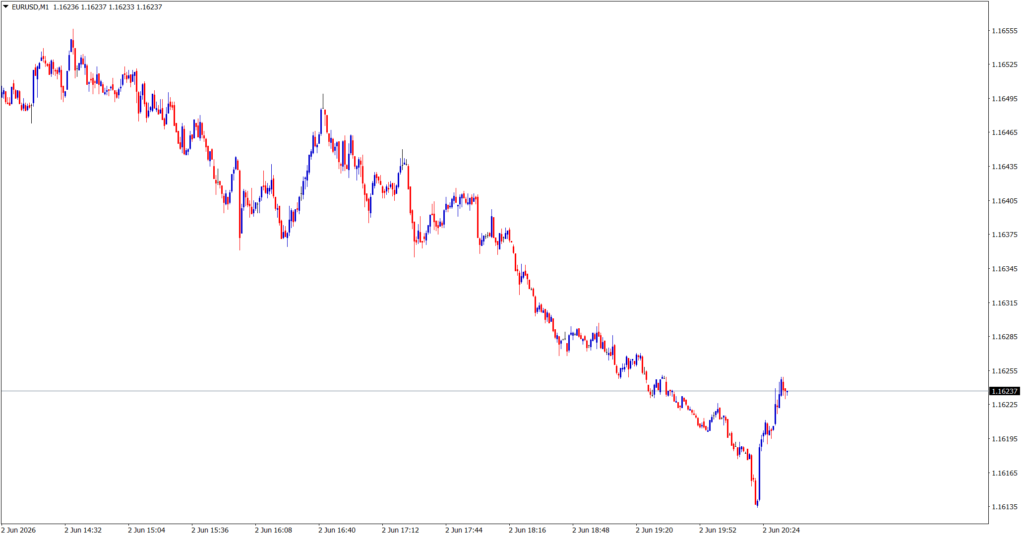
Technical Analysis: EUR/USD remained near 1.1170–1.1190, recovering modestly from earlier weakness. The 1.12 region continued to act as resistance, while 1.11 remained a broader support reference.
Fundamental Analysis: The euro benefited from the dollar’s retreat, although ECB concerns about high energy prices and weaker growth limited upside momentum. Investors continued assessing whether the ECB would tighten again in December.
GBP/USD
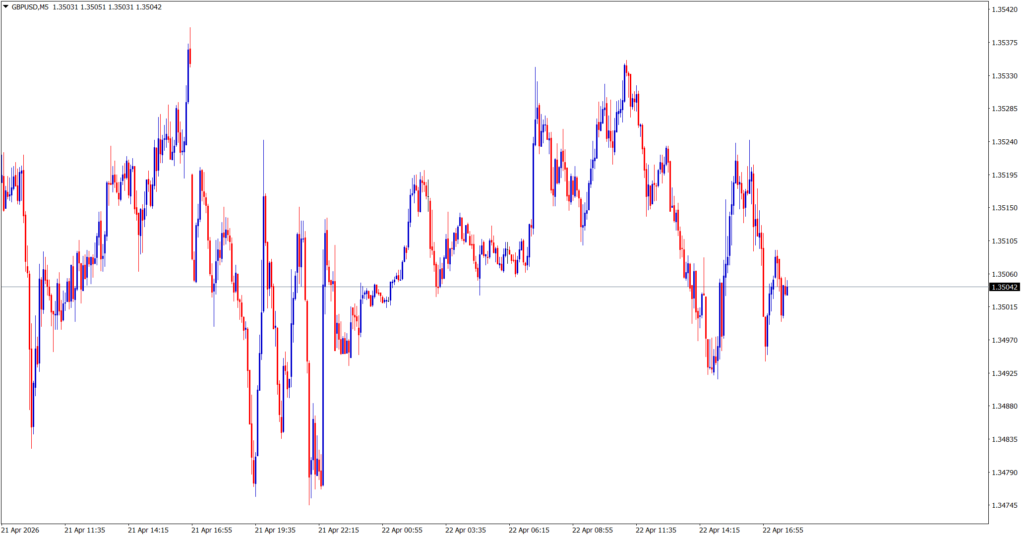
Technical Analysis: GBP/USD remained relatively stable near the mid-1.33 region. The pair’s ability to hold above 1.33 supported its short-term technical structure, while 1.34 remained an important upside reference.
Fundamental Analysis: Sterling benefited from declining U.S. yields and expectations for further Bank of England tightening. However, UK fiscal uncertainty and concerns about economic growth remained important risks.
Market Outlook
The October 26–30 trading week demonstrated how central bank communication can influence currency markets even when policy rates remain unchanged.
The Federal Reserve maintained rates but failed to provide a decisive signal about December. The ECB emphasized persistent inflation risks, the Bank of Canada raised rates, and the Bank of Japan indicated that further monetary normalization remained possible.
Meanwhile, the RBNZ’s unexpected pause demonstrated how sharply currencies can react when central bank decisions differ from market expectations.