


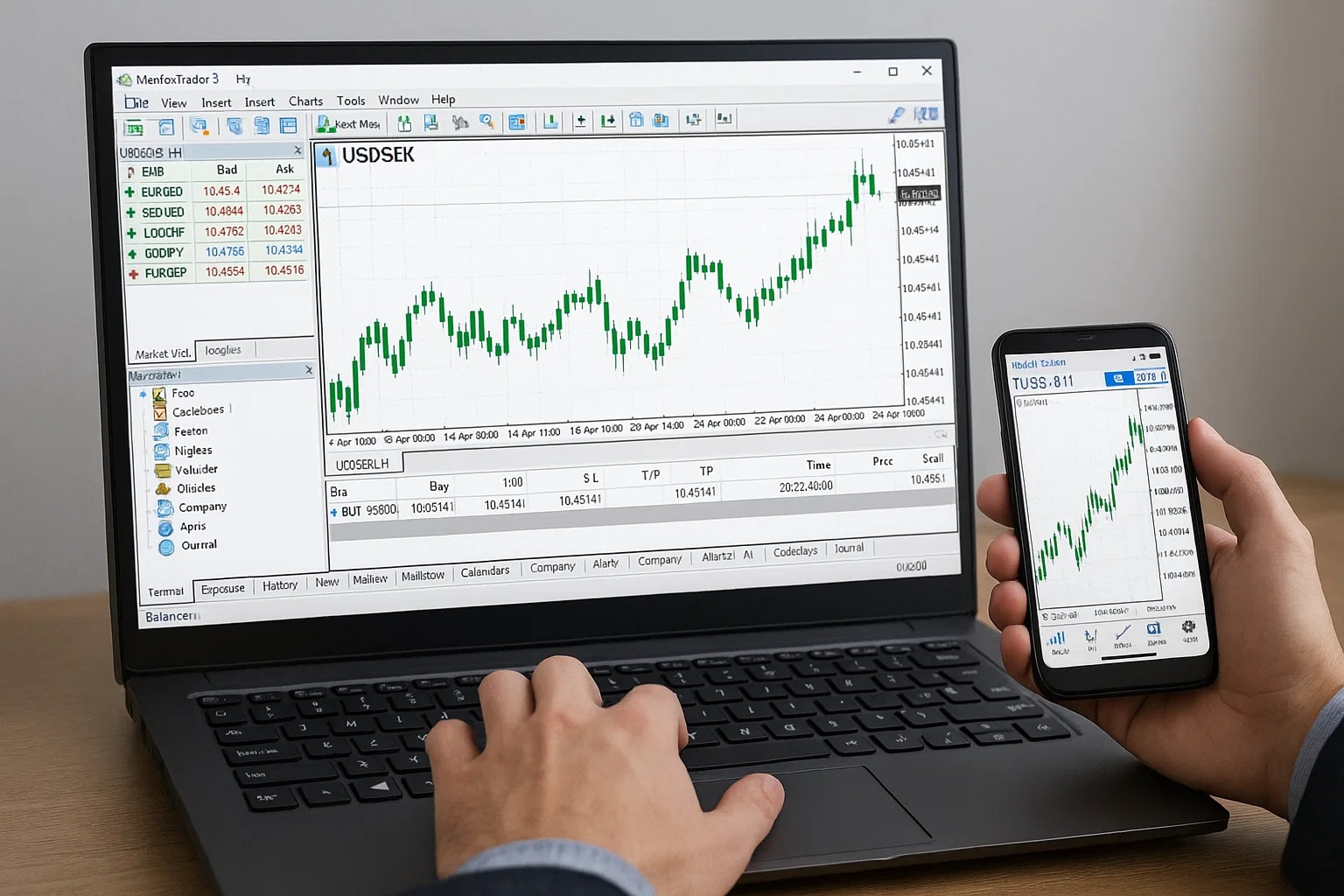
The Opening Range Breakout (ORB) strategy is a popular technique used by day traders to capitalize on early market momentum. While it is widely used during the London and New York sessions due to their high volatility, does the ORB strategy work for the Asia session? The short answer is yes, but with a few key adjustments.
The Asian session behaves differently from its Western counterparts, and traders need to factor in its slower pace, narrower ranges, and less news-driven volatility.
In this article, we’ll explore how to apply the ORB strategy to the Asia session and whether it can still deliver profitable trades.
Key Takeaways
- ORB (Opening Range Breakout) can work in the Asia session but typically offers smaller pip movements.
- It requires adjusted range measurements due to lower volatility and market participation.
- Pairs like AUD/JPY and NZD/JPY are more active during Asia hours.
- Patience and tighter stop losses are crucial for success with Asian session ORBs.
What is the Asia Session?
The Asia session, often referred to as the Tokyo session, begins at 7:00 PM EST and runs through 4:00 AM EST. While it’s the first major forex session to open, it is generally characterized by lower trading volume and less overall market movement. This doesn’t mean it lacks opportunity; it just means the opportunities are subtler and require a refined approach.
Important Note on ORB in Forex: Unlike stock markets, forex does not have a fixed daily open. In the Asia session, the “opening range” is typically defined using the first 15, 30, or 60 minutes after the Tokyo market opens, depending on volatility. Shorter ranges generally perform better during low-volume Asian hours.
The pairs that move most during this session include
- USD/JPY
- AUD/JPY
- NZD/JPY
- AUD/USD
- NZD/USD
These pairs are most active during the Asia session because they are heavily influenced by Asia-Pacific institutional flows, central bank activity, and carry-trade positioning, particularly in JPY crosses. This makes them more responsive to early-session breakouts compared to European pairs.
If you’re using the ORB strategy here, it’s crucial to focus on these currency pairs since they are most reactive to events in the Asia-Pacific region.
Adjusting the ORB Strategy for Asia Session
Unlike the London and New York sessions, the Asia session rarely sees explosive movements. Instead, it features slow, consistent trends or tight consolidations.
Here’s how to adjust your ORB approach:
- Shorter Opening Range: Instead of measuring the first hour, you might measure the first 30 minutes to define the opening range.
- Smaller Targets: A breakout may only yield 10–20 pips, so adjust your expectations.
- Tighter Stops: Wide stops often result in unnecessary losses. Stop losses during the Asia session are typically placed just inside the opening range or adjusted using ATR-based volatility measurements. Since average targets are smaller (10–20 pips), risk-to-reward ratios must be planned carefully to avoid overexposure. Use ATR or volatility indicators to guide placement.
- Patience Over Impulse: Often, a fake breakout occurs before the real move. ICT-style patience can benefit even Asian ORB attempts.
False Breakout Risk: Due to lower liquidity during the Asia session, false breakouts are more common. Waiting for a candle to close outside the opening range, rather than entering on the initial break, can significantly reduce poor-quality trades.
Want to trade the Asian session ORB with precision? Platforms like Defcofx offer ultra-low spreads and fast execution, ideal for catching subtle breakouts during the quieter Tokyo hours.
Open a Live Trading Account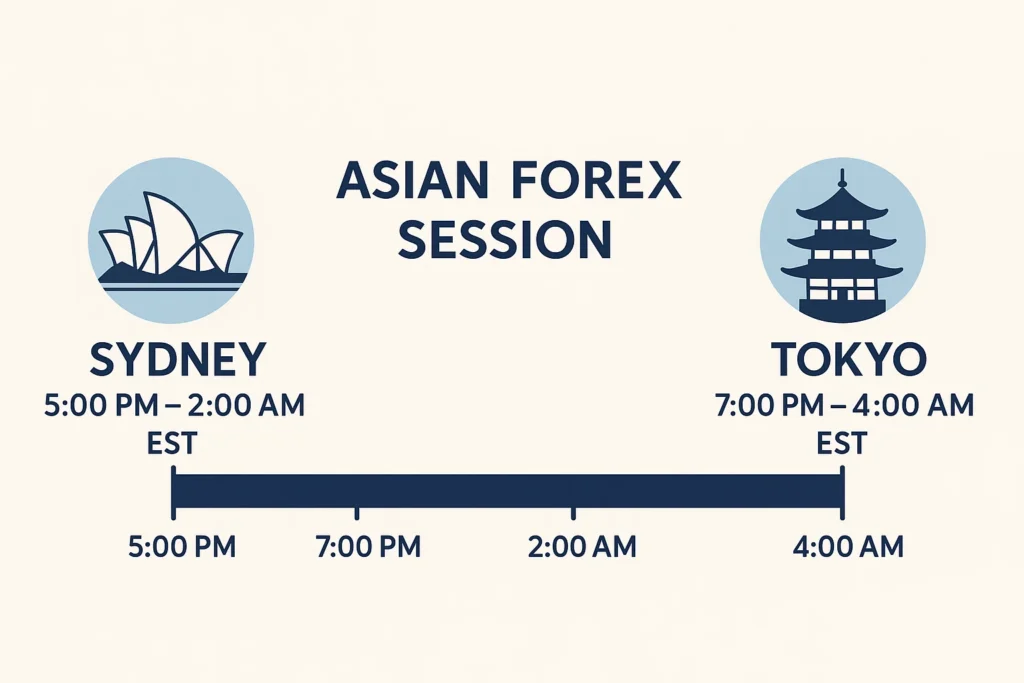
When ORB Works Best in the Asia Session
ORB setups tend to be most effective under the following conditions:
- Scheduled Economic News: When the RBA, BOJ, or RBNZ release updates or interest rate decisions during this session, price movements become more pronounced.
- Carry-Trade Driven Volatility: JPY pairs are often used in carry trades and may experience significant movement if global risk sentiment changes.
- Continuation of Previous Trends: If the New York session ends with a strong move, the Asia session sometimes continues that trend, leading to a reliable breakout setup.
While the overall volatility is lower, these scenarios can still produce significant opportunities for those who are prepared.
The Right Broker for Asian ORB Setups
Execution quality matters even more in a low-volatility environment. Defcofx is a strong choice here, offering:
- Lightning-fast order execution
- Tight spreads, even on Asia-focused pairs
- 24/5 market access with accurate quotes
This allows traders to capture quick moves without worrying about slippage or delayed fills, a critical factor when your profit margin is just 10–15 pips.
While the ORB strategy can work during the Asia session, results vary by pair and market conditions. Traders are encouraged to backtest Asian session ORB setups and treat them as scalps or short-term trades, not high-volatility breakouts.
Open a Live Trading AccountFAQs
What is the Opening Range Breakout (ORB) strategy?
The ORB strategy involves identifying a range of price movement in the first 30–60 minutes of a trading session and then placing trades when the price breaks out of that range. It’s designed to catch early momentum. In the Asian session, this momentum is usually weaker but still tradable with adjustments.
Is the Asia session too slow for breakout strategies?
While slower than London or New York, the Asia session isn’t dead. You can still find clean breakouts, especially in JPY or AUD pairs, but they require lower targets and tight risk management. Patience and timing become more important than aggression.
What pairs work best for Asian ORB trades?
Focus on AUD/JPY, NZD/JPY, USD/JPY, and AUD/USD. These pairs are directly tied to the economic events and trading volume of the Asia-Pacific region, and they’re more likely to move enough to generate small breakouts.
How long should I wait before placing an ORB trade in the Asia session?
Many traders wait 30–60 minutes to let the initial range form. In slower sessions like Asia, waiting for extra confirmation (such as volume spikes or session highs/lows being tested multiple times) helps reduce false breakouts.
Do ORB strategies work without economic news?
They can, but success rates drop when the market is completely flat. News or spillover volatility from the New York close often gives enough push to trigger a clean ORB setup in Asia. Always check economic calendars before setting your trades.
Should I trade ORB manually or use automation?
Manual trading is recommended in the Asia session due to subtle price action. However, some traders use alerts or semi-automated systems that monitor range breaks. Just make sure your system accounts for the slower pace and avoids chasing weak moves.
Is Defcofx a good broker for ORB strategies?
Yes. Defcofx offers raw spreads, fast execution, and tight pricing during all sessions, including Asia. This makes it easier to execute small-range breakouts without slippage eating into your profits. It’s especially valuable for scalpers and ORB traders who need precision.
Defcofx Forex Articles You Shouldn’t Miss
Discover powerful forex strategies in these top reads from Defcofx.
- What Currency is The Most Valuable
- Best Currency Pairs to Trade During London Session
- How Much is 0.5 Lot Size in Dollars
- List of Major and Minor Forex Pairs
- How Many Trading Days in a Year?
- Is NZD/USD a Major or Minor Pair?
- Trailing Stop Limit: Definition, Uses & Trading Guide
- When Does a Bearish Market Become Bullish in Forex?