


Friday’s session closed the week with a familiar pattern that has increasingly defined April: the dollar struggling to maintain strength into uncertainty rather than rallying into it. After regaining some support earlier in the week on renewed Iran tensions and firm U.S. data, the greenback softened again as traders trimmed positions ahead of the weekend.
The key driver was not a dramatic shift in fundamentals, but rather positioning and expectations. Markets continued to believe that diplomacy between the U.S. and Iran, while fragile, remained active enough to prevent immediate escalation. As a result, traders were reluctant to carry large defensive dollar positions into the weekend without confirmation of worsening conditions.
At the same time, U.S. yields stabilized rather than rising further, and oil prices, while still elevated, did not spike aggressively. That combination removed the urgency to hold dollars as a hedge. The result was a softer tone across the board, with European currencies holding firm and USD/JPY drifting lower.
EUR/USD
Technical Analysis
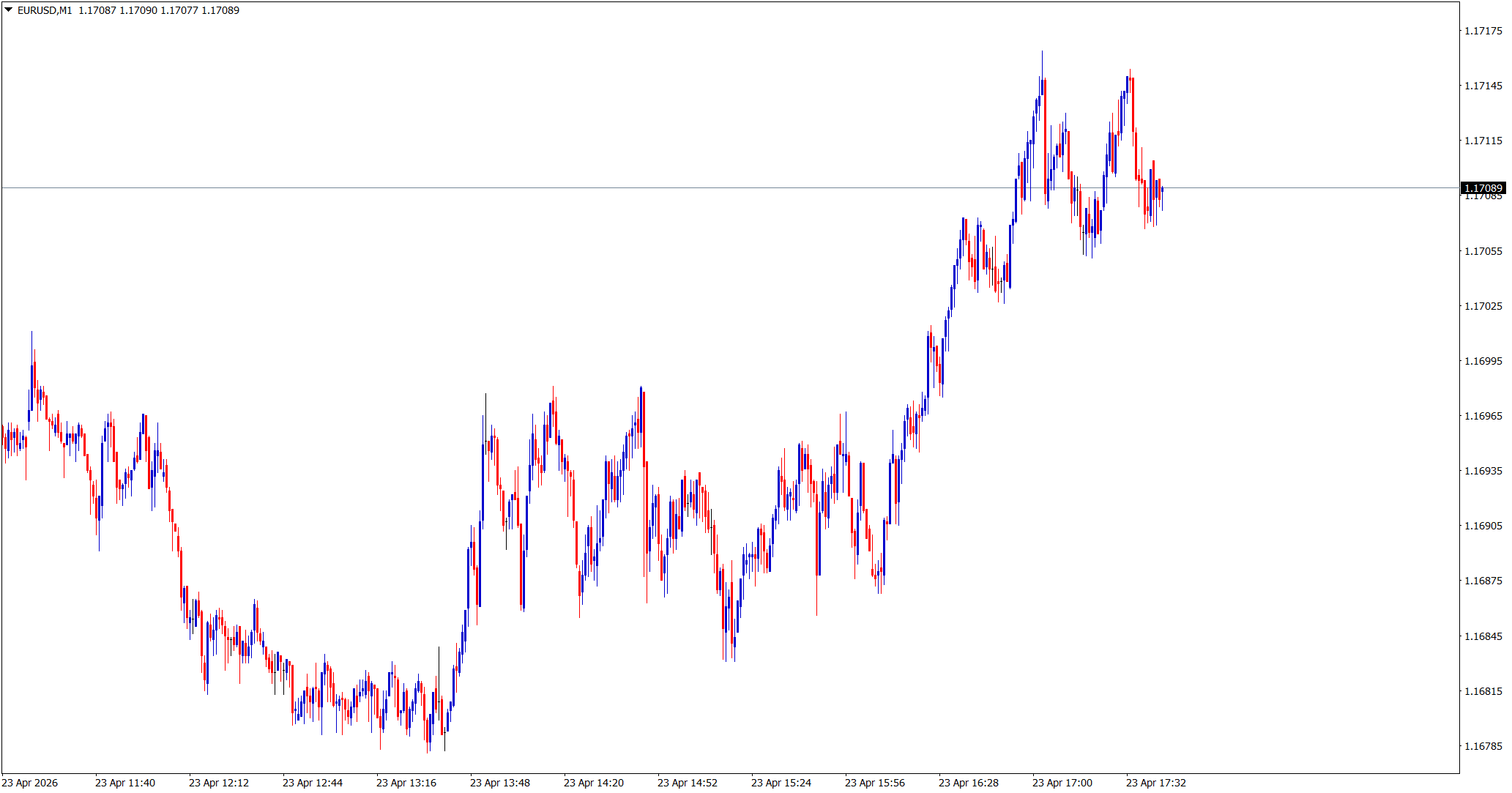
EUR/USD held steady and traded near the upper end of its recent range. The pair did not break higher aggressively, but more importantly, it did not give back earlier gains. This type of price action suggests that the market is comfortable maintaining long euro exposure, even as the dollar attempts to stabilize.
Technically, the pair remains in a consolidation phase following its earlier rally. Support levels continue to hold, and the lack of downside follow-through indicates that sellers are not yet in control. As long as the pair stays above key support zones, the broader structure remains constructive.
Fundamental Analysis
The euro’s stability reflects the market’s evolving view of geopolitical risk. While tensions remain, traders are increasingly pricing in the possibility that disruptions will be contained rather than escalating into a full-blown crisis.
This is particularly important for the euro, which had been heavily penalized earlier in the month due to Europe’s energy exposure. With oil no longer surging and diplomacy still in play, that pressure has eased. At the same time, the dollar lacks a fresh catalyst. Without a clear shift in Federal Reserve expectations or a major geopolitical shock, EUR/USD is able to hold its ground.
GBP/USD
Technical Analysis
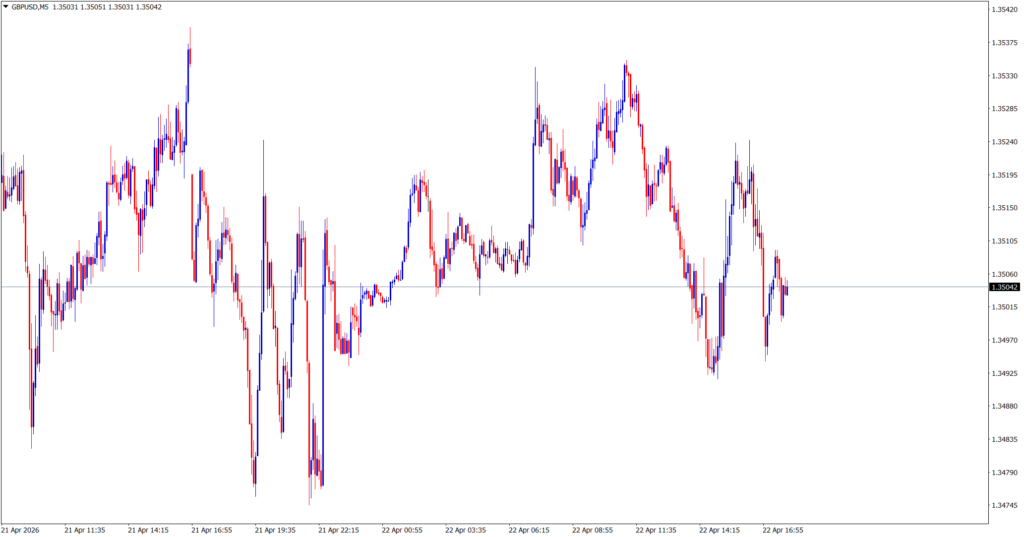
GBP/USD edged higher, continuing its gradual recovery from earlier April lows. The move was not aggressive, but it was consistent, with the pair maintaining a steady upward bias into the weekend.
From a technical standpoint, this behavior indicates that the pair is transitioning from a recovery phase into a more stable range. The ability to hold gains and push slightly higher suggests that bullish momentum, while not strong, is still present.
Fundamental Analysis
Sterling’s performance reflects a combination of weaker dollar demand and improving risk sentiment. While the UK remains vulnerable to energy shocks, the absence of a major escalation has allowed the pound to recover alongside other European currencies.
Additionally, recent UK data has been relatively stable, providing some underlying support. With no immediate negative catalysts and the dollar softening, GBP/USD was able to extend modest gains. However, the move remains dependent on global factors rather than purely domestic strength.
USD/JPY
Technical Analysis
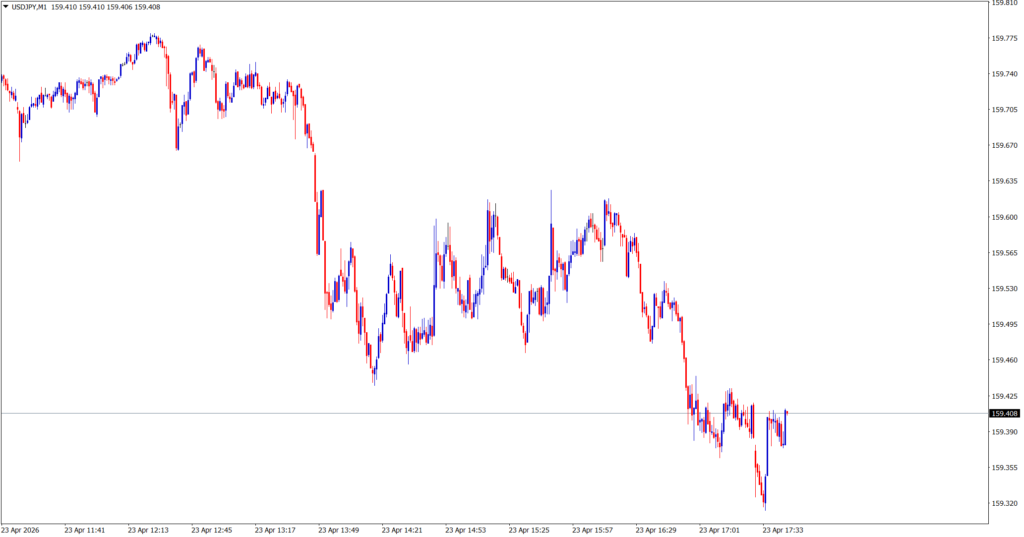
USD/JPY moved lower, giving back part of its earlier gains. The pair traded in a controlled downward move rather than a sharp sell-off, indicating a gradual unwinding of positions rather than aggressive selling.
Technically, the pair remains elevated but is showing signs of fatigue. The inability to sustain higher levels suggests that upside momentum is weakening, and the pair may continue to trade within a range unless a stronger catalyst emerges.
Fundamental Analysis
The decline in USD/JPY was driven primarily by stabilization in U.S. yields and reduced demand for dollar safe-haven exposure. As markets leaned toward a more optimistic view of diplomacy, the need to hold dollars diminished.
At the same time, the yen benefited modestly from its safe-haven status, although not strongly enough to drive a major move. The combination of a softer dollar and stable yields created a favorable environment for USD/JPY to drift lower, but not collapse.
Market Outlook
Friday’s session reinforced the idea that the market is currently driven more by expectations than by confirmed developments. The dollar weakened not because conditions deteriorated, but because traders were unwilling to maintain defensive positioning without stronger justification.
Heading into the weekend, the key variable remains the outcome of ongoing Iran-related discussions. A positive development could extend the current anti-dollar trend, while a breakdown in talks could quickly restore demand for the greenback.
For now, the market remains in a balanced state, with a slight bias toward reduced dollar strength but no clear trend.