


Monday’s session opened the new week with a shift in tone back toward mild risk appetite, reversing some of the cautious positioning that supported the dollar at the end of last week. While there was no major geopolitical breakthrough, the absence of fresh escalation headlines around Iran was enough for markets to lean slightly more optimistic.
This subtle change in sentiment had a clear impact on currency markets.
The dollar, which had edged higher into the start of May, began to soften as traders reduced defensive positioning. U.S. yields remained stable, but crucially, they did not move higher, removing a key pillar of recent dollar support. At the same time, oil prices stayed contained rather than surging, reinforcing the view that geopolitical risks remain manageable rather than worsening.
As a result, Monday’s price action was defined by gradual dollar weakness rather than aggressive selling. European currencies found support, yen pairs drifted lower, and commodity-linked currencies held firm.
The session was not about strong conviction, but about rebalancing expectations, and that was enough to push the dollar slightly lower across the board.
EUR/USD
Technical Analysis
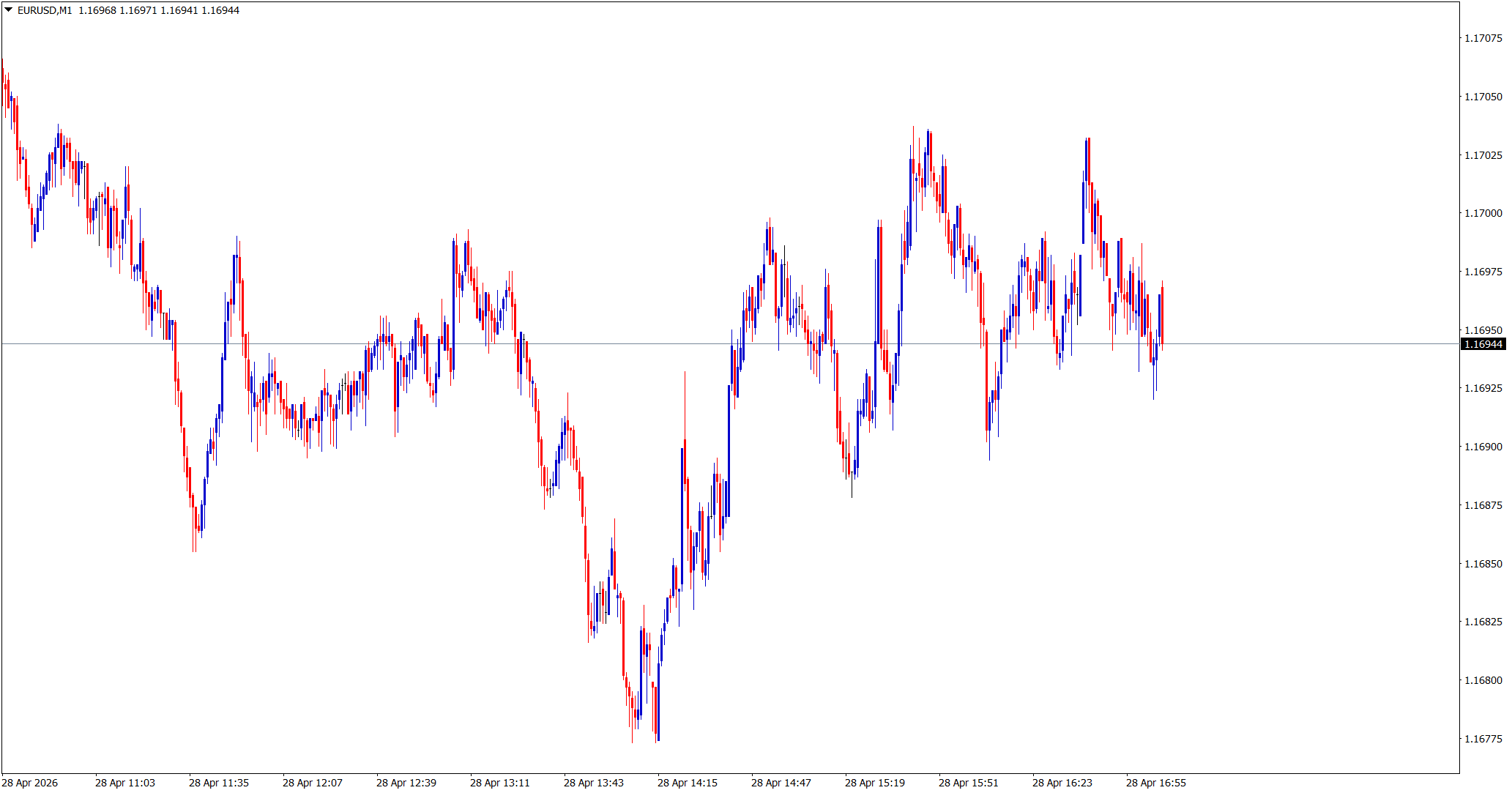
EUR/USD moved higher and continued to trade near the upper end of its recent range. The pair showed a steady upward bias, with no significant pullbacks during the session.
Technically, this reinforces the idea that the pair is maintaining its bullish structure. After consolidating in recent sessions, EUR/USD is showing signs of renewed upward momentum, although the move remains controlled rather than aggressive.
The pair continues to respect support levels, and the lack of downside pressure suggests that buyers remain in control in the near term.
Fundamental Analysis
The euro’s strength reflects improving risk sentiment and reduced demand for the dollar as a safe haven. With no new escalation in geopolitical tensions, traders are more comfortable holding non-dollar currencies.
At the same time, the eurozone outlook remains stable, and the absence of negative surprises allows EUR/USD to benefit from the softer dollar. The pair’s gains are driven more by dollar weakness than by strong euro fundamentals, but that is enough to sustain the current move.
USD/JPY
Technical Analysis
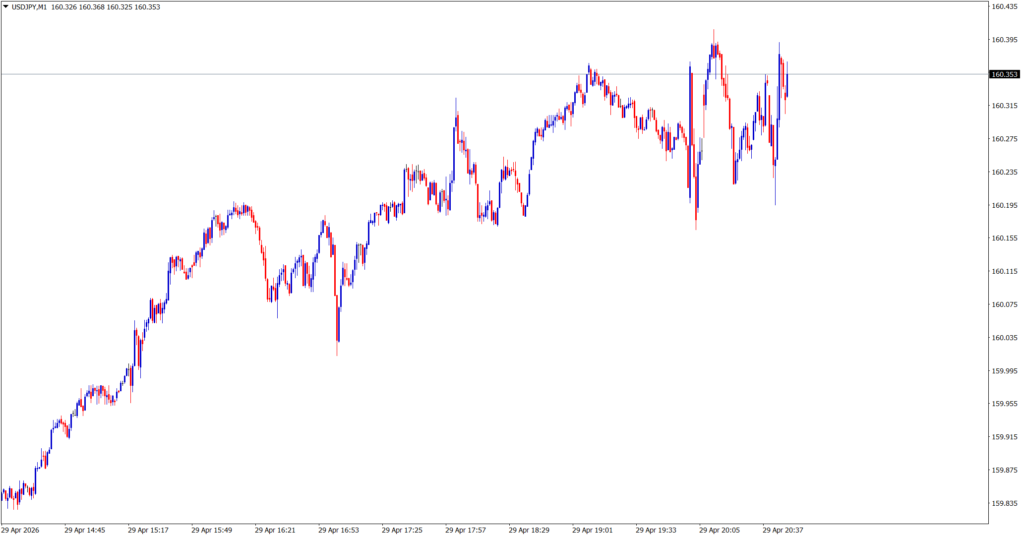
USD/JPY drifted lower, extending its recent pullback. The move was gradual, with no sharp selling, indicating a controlled adjustment rather than a strong bearish trend.
From a technical perspective, the pair is showing signs of continued consolidation. The inability to push higher suggests that resistance levels remain intact, and the pair is likely to remain range-bound in the near term.
Fundamental Analysis
The decline in USD/JPY reflects a combination of softer dollar demand and stable U.S. yields. With yields not moving higher, one of the key drivers of the pair is absent.
At the same time, the yen benefits modestly from its safe-haven status, particularly in a market that is reducing dollar exposure. The combination of these factors creates a favorable environment for USD/JPY to move lower, but not sharply.
USD/CAD
Technical Analysis
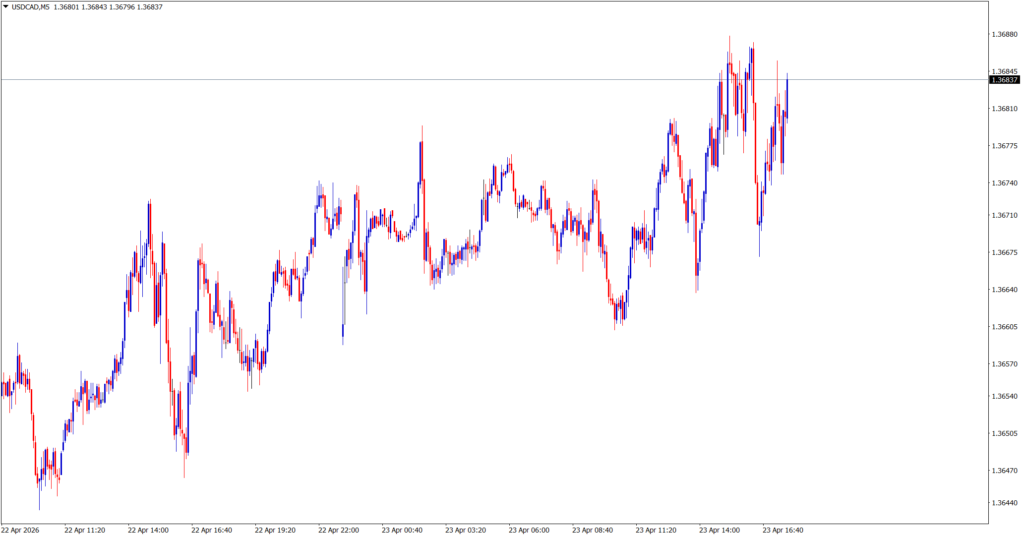
USD/CAD moved lower, continuing its range-bound behavior with a slight bearish bias. The pair failed to hold recent highs and drifted downward throughout the session.
Technically, the pair remains within a consolidation structure, but the recent price action suggests that sellers are gaining some control. However, the move is still limited, and no clear breakout has occurred.
Fundamental Analysis
The Canadian dollar benefited from stable oil prices and improving risk sentiment. While oil did not surge, it remained supportive enough to prevent CAD from weakening.
At the same time, the softer dollar allowed USD/CAD to move lower. The pair continues to be influenced by competing factors, but on Monday, the balance tilted in favor of the Canadian dollar.
Market Outlook
Monday’s session highlighted a return to mild risk-on sentiment, which weighed on the dollar. The absence of fresh geopolitical escalation allowed traders to reduce defensive positioning, leading to gradual dollar weakness.
As long as:
- geopolitical risks remain contained
- U.S. yields stay stable
- and no major surprises emerge
the market is likely to maintain a slight anti-dollar bias.
However, without a strong catalyst, movements are expected to remain controlled rather than aggressive.