


Wednesday’s session was defined by hesitation rather than direction. After regaining some support earlier in the week on cautious positioning and stable U.S. yields, the dollar entered May 6 with a stronger footing, but little momentum to continue higher.
The macro backdrop remained broadly supportive for the greenback:
- geopolitical uncertainty had not disappeared
- U.S. yields stayed relatively firm
- and central banks continued signaling caution
Yet despite this, the dollar failed to extend gains meaningfully. Markets instead shifted into a waiting mode, with traders reluctant to add major positions ahead of fresh catalysts.
This created a session characterized by:
- consolidation rather than breakout
- limited volatility
- and selective movement across pairs
Importantly, the lack of aggressive dollar buying suggests that markets still do not see a compelling reason to fully re-enter a strong-dollar trend. Instead, the greenback is stabilizing within a broader range, supported by caution but capped by the absence of escalation or major policy repricing.
EUR/USD
Technical Analysis
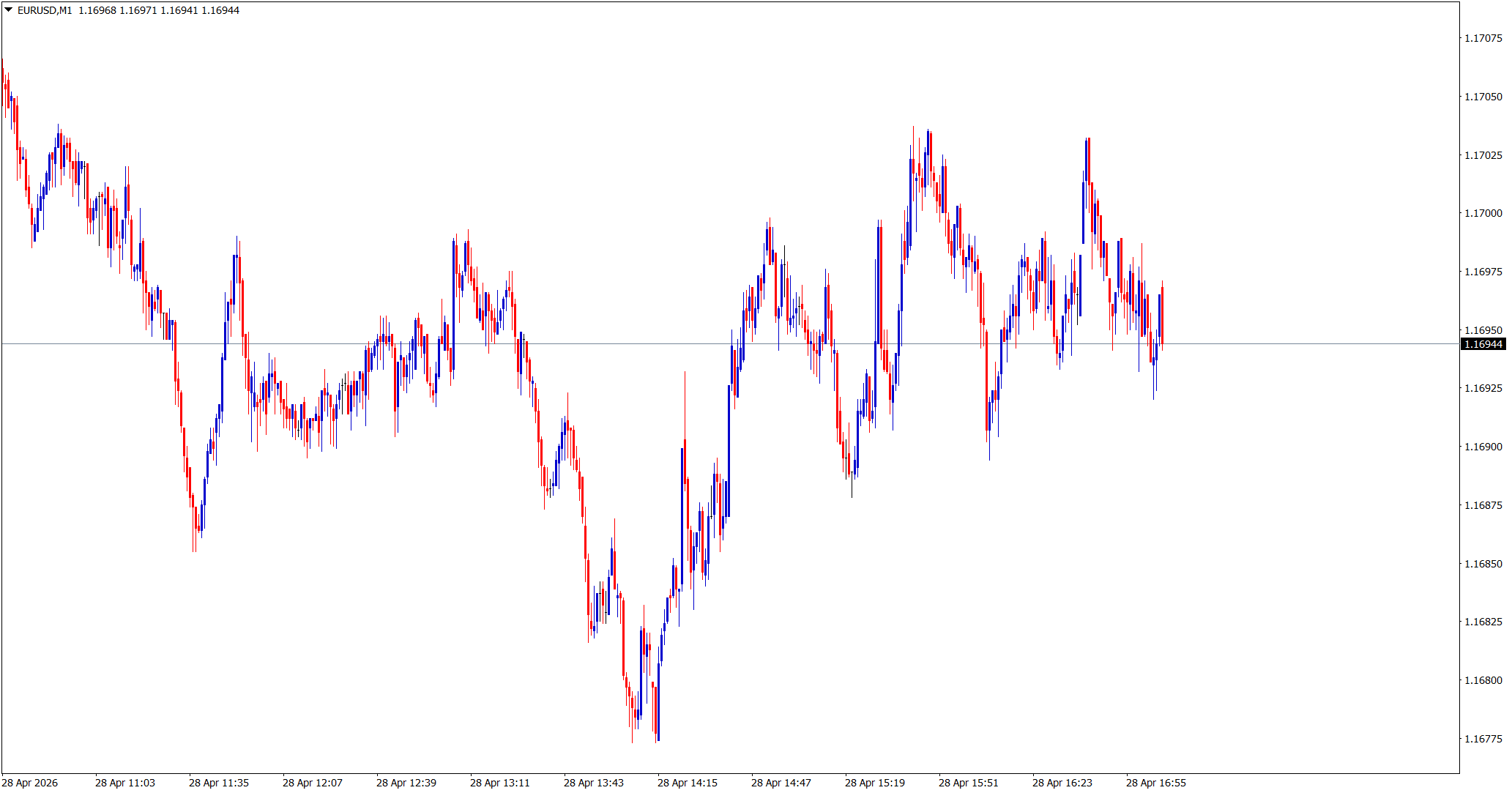
EUR/USD traded sideways and remained within its established range. The pair showed limited volatility and failed to break either support or resistance levels.
Technically, this reinforces the idea that EUR/USD is in a consolidation phase. After the strong recovery seen earlier in April, momentum has slowed considerably, and the pair is now trading more like a balanced market than a trending one.
The absence of downside follow-through is important. Despite the dollar’s recent stabilization, sellers were unable to force a meaningful decline, suggesting that the pair still retains underlying support.
Fundamental Analysis
The euro’s stability reflects the broader balance currently dominating the market. On one side, the dollar benefits from steady yields and cautious sentiment. On the other, improving confidence around geopolitical containment limits demand for defensive positioning.
The eurozone outlook remains stable enough to prevent renewed pressure on the currency, while the lack of strong U.S. economic surprises caps further dollar upside. As a result, EUR/USD remains trapped between competing narratives, with neither side gaining clear control.
USD/JPY
Technical Analysis
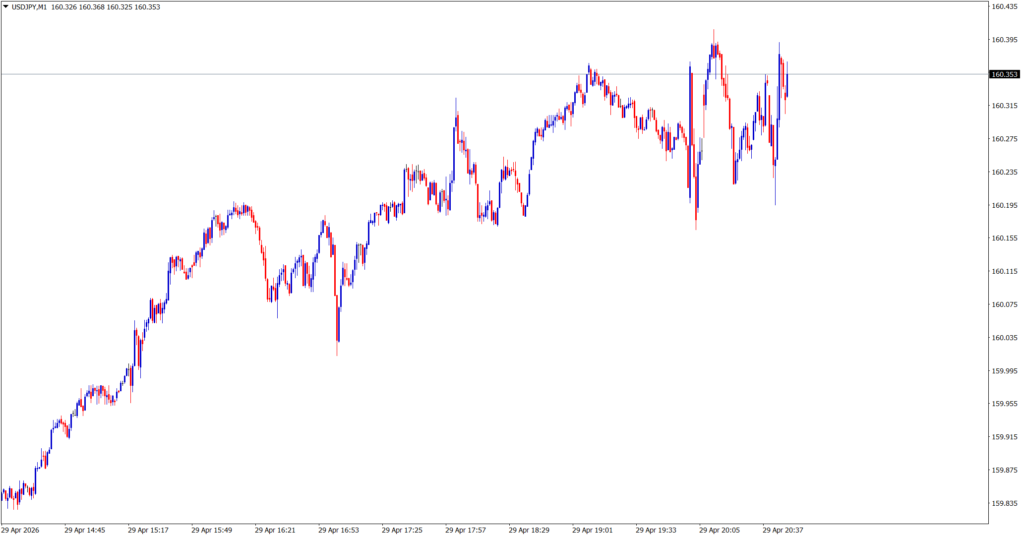
USD/JPY remained range-bound, showing little directional conviction. The pair traded within a tight band, with attempts to move higher quickly fading.
From a technical perspective, this behavior suggests continued exhaustion near elevated levels. Resistance remains significant, and buyers appear hesitant to push the pair aggressively higher without stronger support from yields or risk sentiment.
The broader structure remains intact, but momentum continues to weaken.
Fundamental Analysis:
The pair remains caught between two conflicting forces:
- stable U.S. yields supporting the dollar
- and fading safe-haven demand reducing momentum
At the same time, traders remain cautious around intervention sensitivity at elevated levels. Even though the yen lacks strong independent bullish drivers, the market is increasingly uncomfortable with extending USD/JPY higher without a fresh catalyst.
This leaves the pair stable, but directionless.
USD/CAD
Technical Analysis
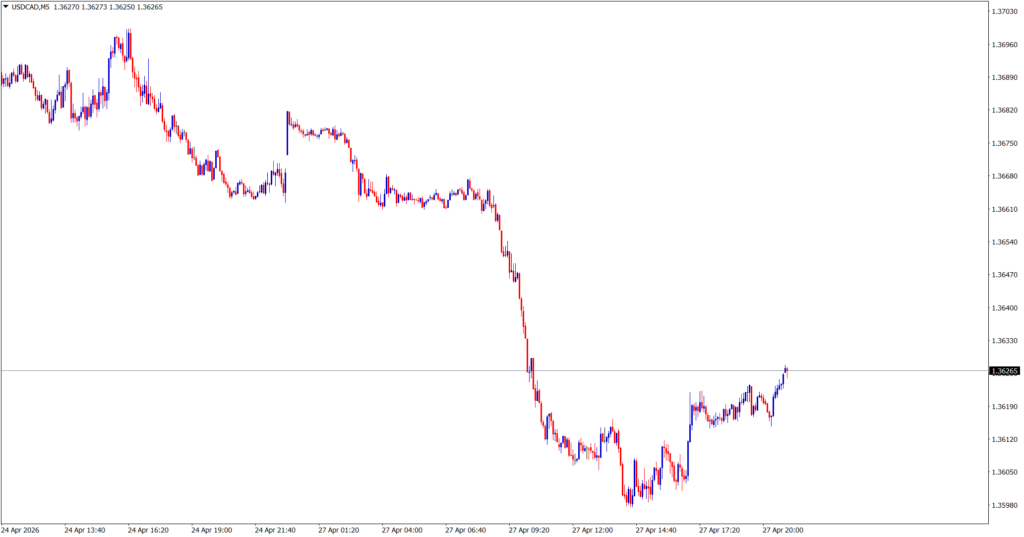
USD/CAD edged lower, continuing its gradual downward bias within a broader consolidation structure. The move was controlled and lacked momentum, indicating a mild preference for CAD rather than aggressive dollar selling.
Technically, the pair remains range-bound, but recent price action continues to favor sellers slightly. However, support levels remain intact, preventing a stronger breakdown.
Fundamental Analysis
The Canadian dollar benefited from modestly firmer oil prices and improving risk sentiment. While oil gains were limited, they remained enough to support CAD against a dollar lacking momentum.
At the same time, the absence of strong risk-off flows reduced demand for the greenback, allowing USD/CAD to drift lower. However, the move remained contained because U.S. yields continued to provide underlying support for the dollar.
This balance keeps the pair stable overall, but with a slight downside bias.
Market Outlook
Wednesday’s session reinforced the current market structure:
- the dollar is supported, but not dominant
- risk sentiment is stable, but not aggressively positive
- and volatility remains relatively contained
Without a major geopolitical escalation or a sharp shift in monetary policy expectations, the market is likely to remain range-bound.
For now:
- EUR/USD continues consolidating
- USD/JPY remains unstable near highs
- and USD/CAD retains a mild bearish bias
The next major move will likely require a stronger catalyst than the market currently has.