


Wednesday delivered the week’s most important scheduled economic release, and the results initially reinforced the case for continued dollar strength.
The U.S. Consumer Price Index rose 0.6% in September, lifting annual headline inflation to 3.7%, compared with 3.4% in August. Core inflation, which excludes food and energy, increased 0.3% month-on-month and 2.6% year-on-year. Both headline and core inflation exceeded market expectations.
Gasoline prices were a major contributor, rising approximately 7.1% during the month. However, economists also identified persistent pressure in shelter, airfares and consumer goods, suggesting that inflation was not entirely confined to the energy sector.
The dollar initially responded aggressively.
The dollar index reached approximately 102.94 intraday, its strongest level since April 2025, before retreating toward 102.53 later in the New York session. Investors initially raised expectations for a possible October Fed increase, although subsequent central-bank commentary encouraged a more cautious interpretation.
U.S. Treasury yields also reacted. The two-year yield, which is particularly sensitive to expectations for monetary policy, climbed as traders considered whether the Fed would need to maintain restrictive conditions for longer.
Equity markets were less enthusiastic. The S&P 500 fell approximately 1.11%, while the Nasdaq declined 1.88%, reflecting concerns that higher interest rates could damage valuations in technology and other growth-sensitive sectors.
The global political backdrop intensified these pressures.
The Iran conflict continued affecting energy prices, while the IMF’s annual meetings in Bangkok highlighted growing concerns about public debt, fiscal discipline and elevated government borrowing costs. European policymakers faced particular scrutiny because of France’s deteriorating fiscal outlook.
For FX markets, the central question was whether higher U.S. inflation would create another sustained dollar rally or whether the currency had already priced in most of the expected Fed tightening.
EUR/USD
Technical Analysis:
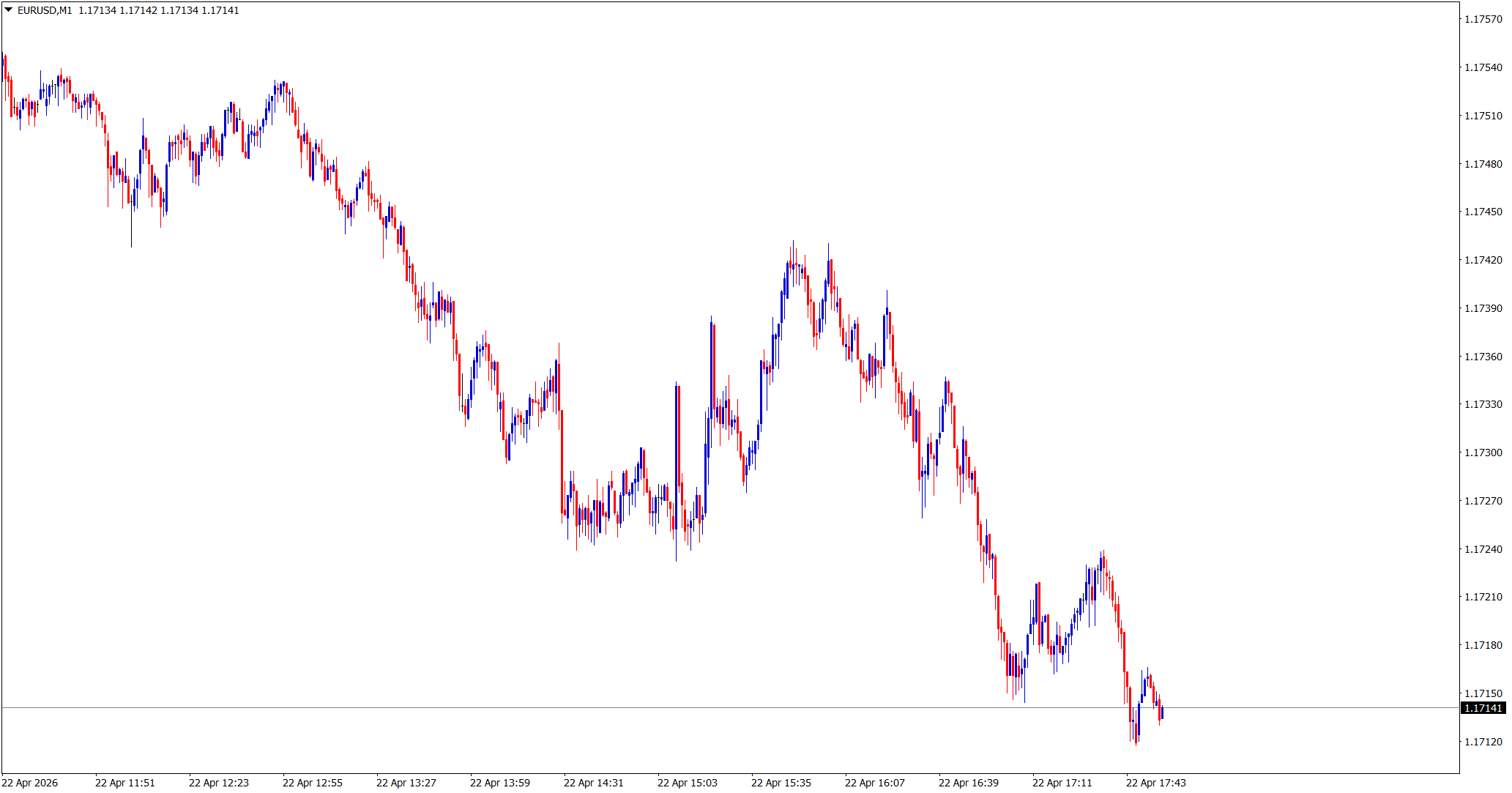
EUR/USD came under renewed selling pressure as the dollar surged following the inflation report.
The pair had already been trading close to multi-month lows, and the CPI surprise reinforced its bearish momentum.
The 1.12 region became an important technical battleground. A sustained break below it would expose lower support, while a recovery above approximately 1.13 would be necessary to signal that the immediate selling pressure was easing.
The failure to establish a durable recovery before the CPI release left the euro especially vulnerable to another dollar-driven decline.
Fundamental Analysis:
The euro faced several simultaneous disadvantages.
First, stronger U.S. inflation increased expectations that the Fed would tighten further. This supported U.S. yields and widened the prospective return advantage of dollar assets.
Second, France’s fiscal problems continued weighing on confidence in eurozone government debt. ECB President Christine Lagarde resisted expectations that the central bank would intervene to support the French bond market, emphasizing the importance of fiscal discipline.
Third, high energy prices remained particularly damaging to Europe’s growth outlook.
Together, these developments left EUR/USD exposed to both dollar strength and euro-specific weakness.
GBP/USD
Technical Analysis:
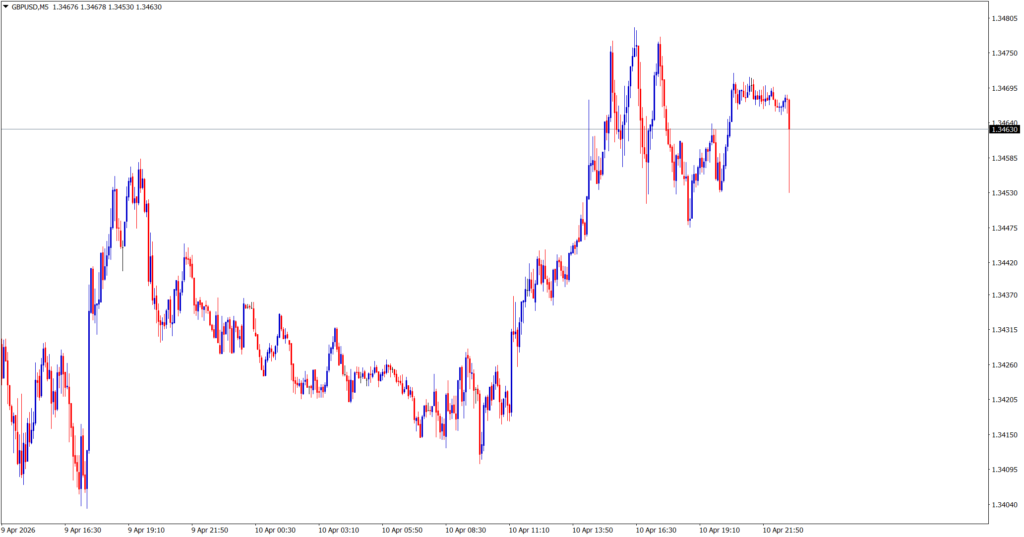
GBP/USD declined as investors reacted to the CPI surprise.
Sterling’s earlier resilience was insufficient to overcome the sudden repricing of U.S. rates, and the pair moved toward the lower end of its recent trading range.
The 1.32 area became an important near-term reference point. A sustained break beneath it would increase downside risk, while recovery toward 1.33 would suggest that the dollar’s post-CPI momentum was beginning to fade.
Fundamental Analysis:
The pound’s decline was primarily driven by the U.S. inflation surprise.
Although the Bank of England was also expected to tighten, Wednesday’s data increased the possibility that the Federal Reserve would move sooner than markets had anticipated.
Sterling additionally faced uncertainty surrounding the forthcoming UK budget.
High government borrowing costs and persistent inflation limited policymakers’ room to stimulate growth, leaving the pound vulnerable whenever global investors became more risk-averse.
USD/JPY
Technical Analysis:
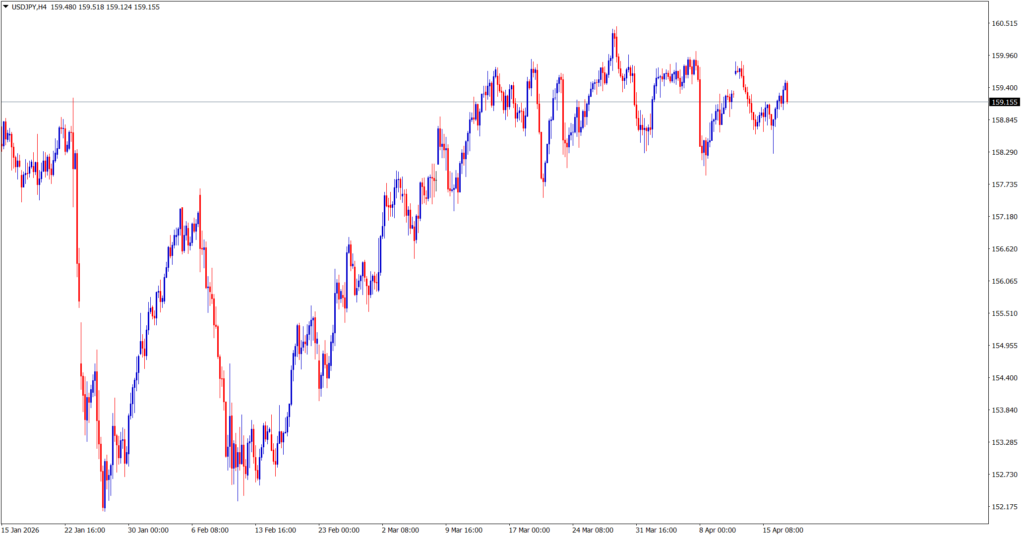
USD/JPY traded around 158.31 as the dollar strengthened following CPI.
The pair remained within its broader upper-150s consolidation, but the inflation surprise increased the possibility of another attempt to break through resistance around 159–160.
However, the lack of a decisive breakout suggested investors remained cautious about the yen’s sensitivity to Japanese policy and global risk conditions.
Fundamental Analysis:
Higher U.S. inflation supported USD/JPY by increasing the probability of further Fed tightening.
However, the yen also retained support from expectations for additional Bank of Japan normalization.
Moreover, the sharp decline in U.S. equities created conditions in which leveraged carry trades could become less attractive.
The result was a less straightforward USD/JPY response than a simple yield-differential model might predict.
Market Outlook
October 14 reinforced the inflationary risks facing the global economy.
The dollar remained supported by the possibility of additional Fed tightening, but the retreat from its intraday high suggested markets were reluctant to fully commit to an immediate October increase.
For the major pairs, EUR/USD remained the most exposed to European political and fiscal uncertainty, GBP/USD faced competing Fed and BoE expectations, and USD/JPY remained sensitive to both yields and Japanese policy.
The next test would come from U.S. producer prices, retail sales and further Federal Reserve commentary.