


Friday brought a dramatic conclusion to a week that had initially appeared likely to reinforce the dollar’s dominance.
Despite stronger-than-expected U.S. consumer and producer inflation, the dollar ended the week under pressure as investors increasingly concluded that the Federal Reserve was unlikely to raise interest rates at its October meeting.
The decisive catalyst came from Fed Chair Kevin Warsh’s remarks during the IMF’s annual meetings in Bangkok. His relatively restrained comments encouraged traders to reduce expectations for near-term tightening.
The ICE U.S. Dollar Index fell approximately 0.9%, marking its worst single-day performance since July. This was a significant reversal for a currency that had reached an 18-month high only two days earlier.
The retreat reflected more than changing Fed expectations.
U.S. technology stocks suffered another difficult session as investors questioned whether the enormous sums being invested in artificial intelligence infrastructure would generate sufficient returns.
CoreWeave became a focal point of these concerns. The cloud infrastructure provider’s substantial debt burden and continuing losses raised questions about the financial sustainability of heavily leveraged data-center operators. The broader concern was that difficulties in the AI investment ecosystem could spread beyond equities into corporate credit markets.
The Nasdaq was heading for a weekly decline exceeding 4%, while the S&P 500 also weakened. Treasury yields fell as investors sought safety in government bonds, with the 10-year yield on course for its largest weekly decline in more than a year.
This combination produced an unusual market environment.
Risk aversion would traditionally support the dollar, but falling U.S. yields and doubts about the sustainability of AI-driven capital inflows outweighed its safe-haven appeal.
Meanwhile, oil remained elevated. Brent approached $109 per barrel, demonstrating that geopolitical energy risks had not disappeared even as markets reduced expectations for immediate Fed tightening.
The euro recovered from its recent lows, sterling reached a three-week high against the dollar, and the yen benefited from the changing interest-rate outlook.
EUR/USD
Technical Analysis:
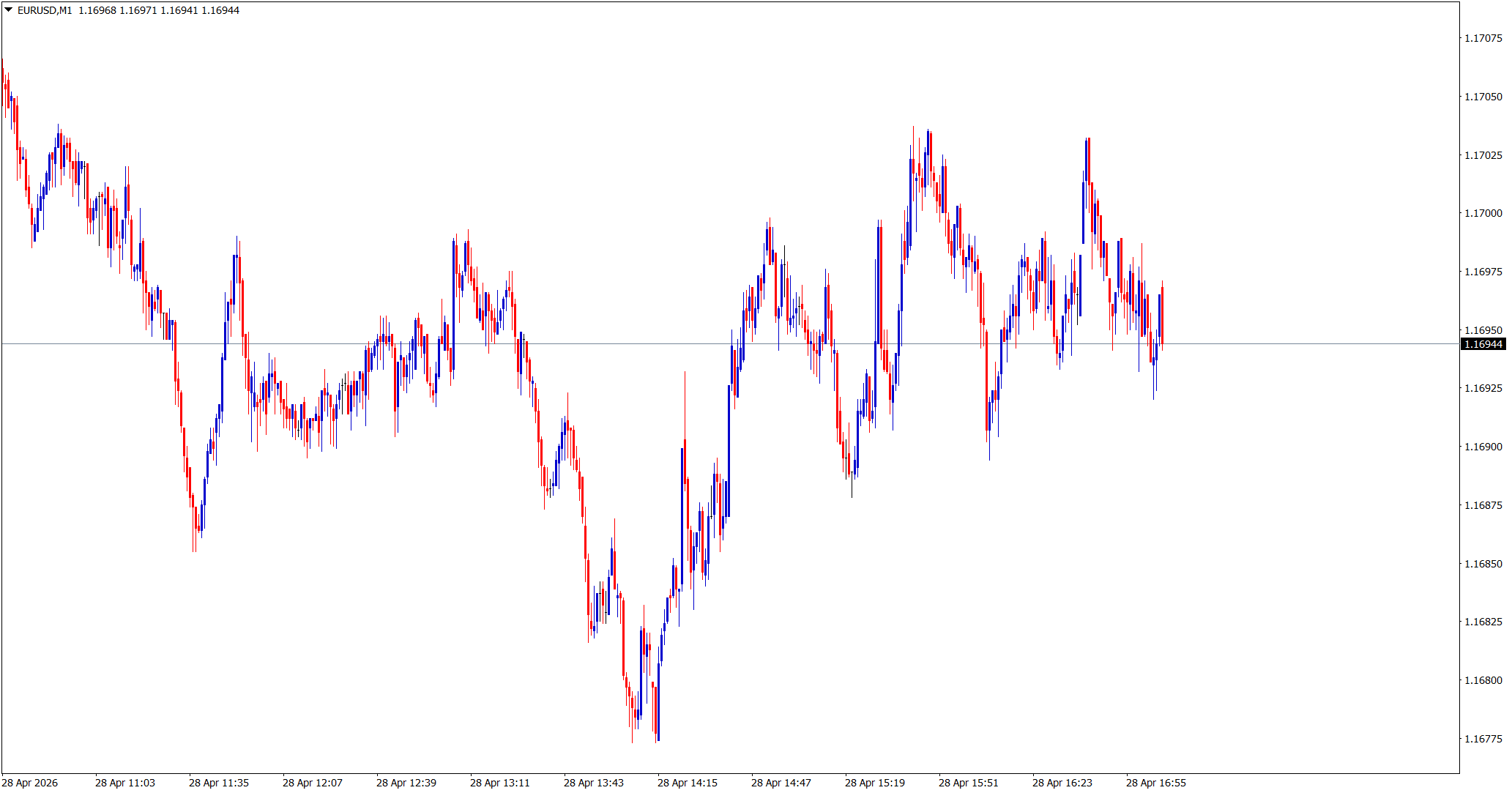
EUR/USD recovered toward 1.1256, moving away from the 17-month lows reached earlier in the week.
Technically, the recovery was significant because it followed an extended period of dollar strength and euro weakness.
The pair’s earlier decline had left positioning vulnerable to a reversal. Once Treasury yields began falling and Fed-hike expectations weakened, short-covering demand helped accelerate the rebound.
The 1.12 region was now functioning as an important near-term support reference.
On the upside, the 1.13 area represented the next meaningful resistance zone. A sustained move above it would suggest the correction could extend, while failure to maintain the recovery would leave EUR/USD vulnerable to renewed selling.
The broader bearish trend had not been conclusively reversed, but short-term momentum had improved considerably.
Fundamental Analysis:
The euro’s recovery was driven primarily by developments in the United States.
Fed Chair Warsh’s cautious remarks reduced the likelihood of an immediate increase in U.S. interest rates, undermining the dollar’s yield advantage.
At the same time, falling Treasury yields and concerns about AI-related investments reduced the appeal of U.S. financial assets.
This mattered because international capital flows had been an important source of dollar demand throughout 2026.
If investors begin reducing exposure to U.S. technology equities or become more cautious about heavily leveraged AI companies, demand for dollars could weaken even without a major deterioration in U.S. economic data.
However, the euro continued facing substantial domestic risks.
France’s fiscal instability and widening yield spreads relative to Germany remained significant concerns. Higher energy costs also threatened eurozone growth.
Consequently, EUR/USD’s recovery should be understood primarily as a correction in dollar strength rather than evidence that the eurozone’s structural challenges had disappeared.
GBP/USD
Technical Analysis:
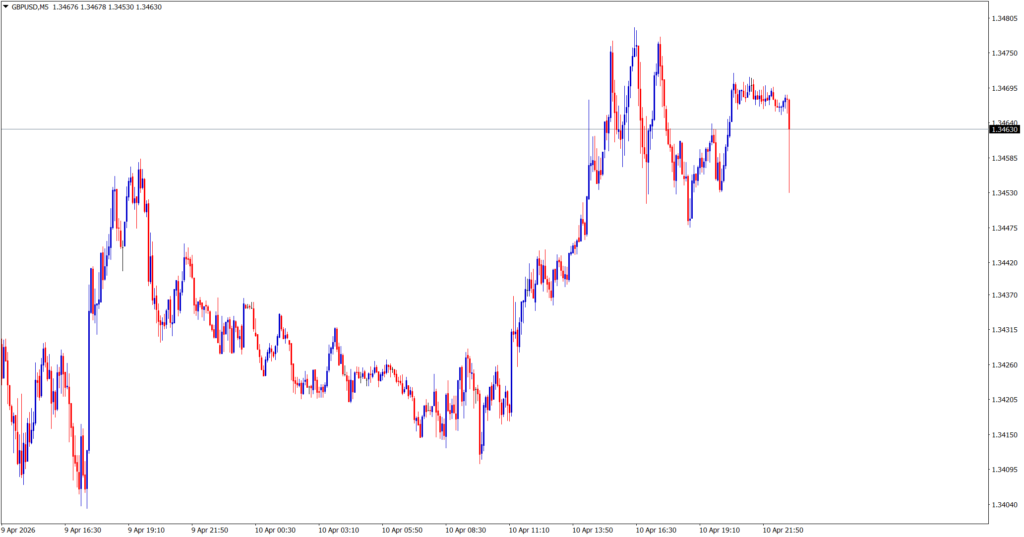
GBP/USD climbed to approximately 1.3329, reaching its highest level in more than three weeks and gaining around 0.66% over the week.
Technically, the move was particularly constructive because sterling recovered from its earlier decline and reclaimed the 1.33 region.
The pair had established stronger short-term momentum, with buyers responding to both weaker U.S. yields and comparatively supportive UK economic developments.
The next resistance region lay around the mid-1.33s, followed by 1.34.
A sustained break above these levels would strengthen the case for further upside.
Fundamental Analysis:
Sterling enjoyed a stronger domestic foundation than the euro.
UK economic growth had exceeded expectations in August, supported partly by the computer programming sector. This suggested that Britain’s economy was proving more resilient than investors had feared.
The Bank of England was also expected to raise rates by 25 basis points at its November 5 meeting, providing sterling with relative yield support.
BoE Governor Andrew Bailey acknowledged the rise in energy prices but suggested that the broader inflationary effects remained relatively contained.
That was an important distinction.
If the Bank of England can tighten gradually while economic activity remains positive, sterling may benefit from higher yields without experiencing the same level of stagflation concern affecting the eurozone.
Nevertheless, the UK government’s forthcoming budget remained a major risk.
Investors wanted reassurance that fiscal consolidation would proceed without seriously undermining growth or increasing borrowing costs.
Friday’s sterling rally therefore reflected a favorable combination of dollar weakness, relative UK economic resilience and expectations for further BoE tightening.
USD/JPY
Technical Analysis:
USD/JPY faced renewed pressure as the dollar weakened and U.S. Treasury yields declined.
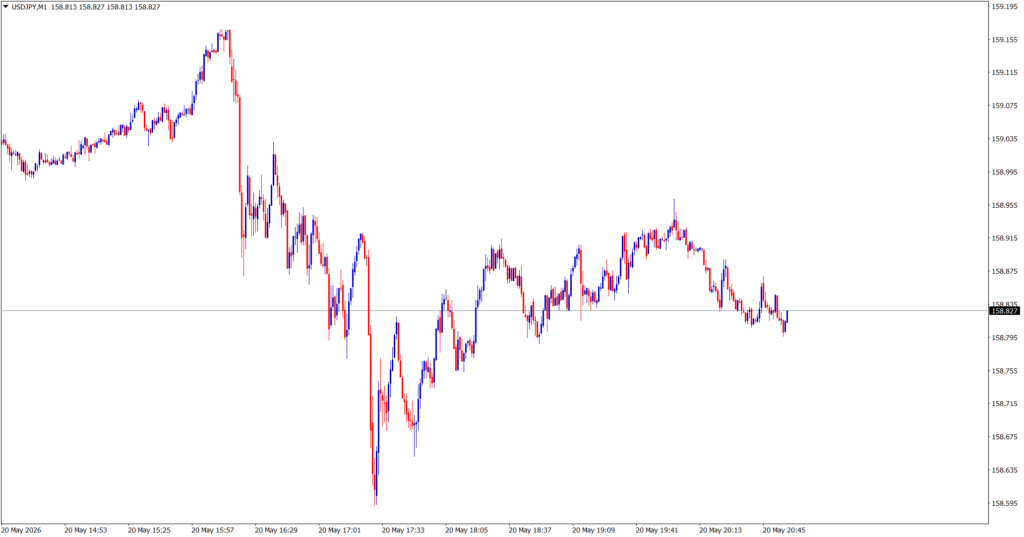
The pair remained near the upper-150s, but its short-term momentum deteriorated as traders reassessed the Fed’s tightening outlook.
The 158 region continued to function as an important reference point.
A sustained break below it would strengthen the case for a deeper correction toward the mid-150s.
Conversely, a renewed rise in U.S. yields could restore buying pressure and encourage another test of resistance near 160.
Fundamental Analysis:
The yen benefited from the reduction in expected U.S. interest rates.
The narrowing of anticipated U.S.-Japan yield differentials made yen-funded carry trades less attractive.
At the same time, falling technology stocks and growing concerns about credit risk increased the possibility that investors would reduce leveraged positions.
That can support the yen through repatriation and short covering.
However, Japan’s economic outlook remained exposed to expensive imported energy. Oil approaching $109 threatened to increase costs for Japanese households and businesses, limiting the currency’s fundamental support.
The result was a familiar tension: monetary-policy and risk-positioning developments favored the yen, while energy prices and the remaining U.S. yield advantage continued to favor the dollar.
Market Outlook
October 16 marked a meaningful change in the short-term dollar outlook.
The week’s inflation data had initially appeared capable of triggering another leg higher in the greenback. However, the subsequent decline in Treasury yields and cautious Federal Reserve commentary demonstrated that markets were increasingly reluctant to price an immediate rate increase.
The most important implications for the coming week are:
- EUR/USD: The recovery could extend if U.S. yields continue declining, although French fiscal instability remains a significant obstacle.
- GBP/USD: Sterling has comparatively strong momentum, supported by UK economic resilience and expectations for November BoE tightening.
- USD/JPY: Falling Treasury yields and potential carry-trade unwinds favor the yen, but elevated oil prices and the remaining U.S. rate advantage limit the scope for appreciation.
The broader market also faces an important question about the sustainability of the AI investment boom.
If concerns about heavily indebted data-center companies continue spreading through equity and credit markets, the resulting reduction in U.S. capital inflows could become a more durable source of dollar weakness.
At the same time, persistent inflation and expensive oil mean the Federal Reserve cannot completely abandon the possibility of additional tightening.